






iStock


As people increasingly turn to online sources, such as social media and AI, for news and information, a legitimate question arises: "How do I know this information is accurate?" This concern is well founded. Studies, including one published by Yale Insights, have found that social media algorithms and platforms "inadvertently encourag[e] users to spread misinformation." Given these risks, it's perhaps unsurprising that a 2023 Pew study found 55% of American adults support federal restriction of false information. And yet this support comes amid a notable shift in tech company policy away from content restriction and regulation, creating a growing gap between what the public wants and how platforms are actually being governed.
As young people navigate this world and spend so much of their time online, it is important for parents and caregivers to discuss what misinformation and disinformation are, how false narratives spread, and steps that can be taken to fact check and critically evaluate information.
The way that Americans get their news has changed dramatically in recent years. According to Pew’s 2024 “News Platform Fact Sheet,” 86% of American adults report “at least sometimes” getting news digitally (i.e. smartphone, computer, etc.). 64% of adults say they get news from television “at least sometimes,” with 32% saying they often get news from television.
Amid the 24/7 news cycle, with people getting their news online, via social media and from people familiar and unfamiliar, there is a lot of false information out there. And it spreads quickly. Both misinformation and disinformation are sometimes referred to as “false news.” The difference between them is their intent to mislead and where they originate.
There are other forms of “false news,” including tabloid news, satirical news and “fake news.” Fake news is often spread by websites that publish untrue or fake information to drive web traffic to the site. The goal of fake news is to mislead readers to believe the stories and to make money through advertising. Since these fake news websites came to light during the 2016 election, politicians and others use the term “fake news” to describe news they don’t like, disagree with or news that casts them in a negative light. For more on this, explore Cornell’s resource here.
Disinformation poses a unique threat because it is designed to look credible, feel emotionally compelling and spread quickly across social media, messaging apps and online communities. Unlike an honest mistake or a simple rumor, disinformation is often crafted by bad actors, including extremist groups, to manipulate beliefs, deepen social divisions, and recruit or radicalize vulnerable audiences, sometimes targeting specific communities with hateful conspiracy theories or antisemitism. Left unaddressed and allowed to spread, disinformation from online spaces can lead to real-world consequences. More information on the dangers of dis- and misinformation can be found in this article from the ADL Center on Extremism.
Disinformation can be particularly insidious for young people who are still developing critical thinking skills and creating their view of the world. Left unaddressed, repeated exposure to disinformation can shape a young person's worldview, erode trust in reliable institutions, and normalize prejudice or hostility toward others.
When people believe false narratives fueled by dismis- and mdisinformation, real-world harm follows. Some examples include:
Each of these examples manifested online as a rumor, a meme or a conspiracy theory, and each ended in real harm: violence, harassment or the erosion of public trust.
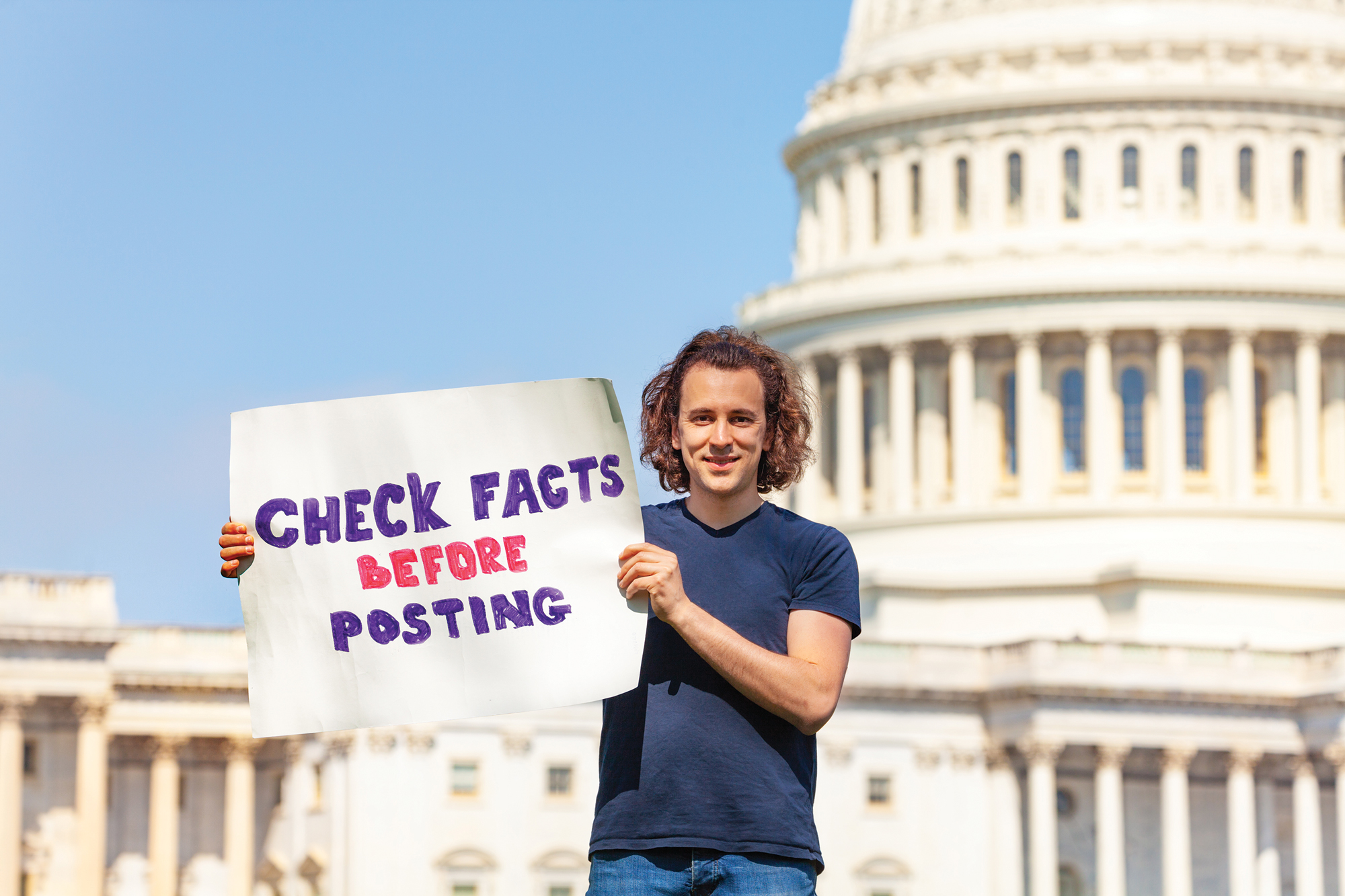
There are a variety of ways to assess whether news is real or false. Some strategies include: consider the source of the news; read beyond the headlines; double and triple check news sources and use a variety of reliable news sources regularly; use fact checking websites; reflect on your own confirmation bias (the tendency to interpret new evidence as confirmation of one's existing beliefs); and check whether the news is a joke or satirical news. For more on this topic, consider Common Sense Media’s How to Help Kids Spot Misinformation and Disinformation.
10 and up
(See the Additional Resources section for articles and information that address these questions.)
Ask: What can we do to help? What actions might make a difference?