








Executive Summary
The attacks on October 7, 2023, and their aftermath have profoundly reshaped Jewish American life. This joint report by the Anti-Defamation League (ADL) and Jewish Federations of North America draws on two large, nationally representative surveys of Jewish Americans conducted earlier this year to illustrate the complex dynamics affecting them. The findings highlight both the widespread effects of antisemitism and the remarkable resilience of Jewish communities.
Key Findings
- Over half of Jewish Americans (55%) report experiencing some form of antisemitism in the past year.
- 79% of all respondents are concerned about antisemitism.
- Nearly one in five (18%) were either the victim of an assault, experienced threat of physical attack, or experienced verbal harassment due to their Jewish identity in the past year, while over one-third (36%) witnessed actual or threatened antisemitic violence.
- Jewish Americans experienced antisemitism in many contexts, with the most common ones including online, public spaces, the workplace, and educational institutions.
- Safety concerns are widespread among American Jews; over 50% are somewhat, very or always worried about personal safety, one-third have discussed with others what they would do in a “worst case” scenario, and 14% have developed a plan should they need to flee the country due to rising antisemitism. These rates are significantly higher for those that experienced direct antisemitic harm.
- Jewish-Americans who experienced direct antisemitic harm or witnessed antisemitic acts within the past 12 months exhibited higher rates of symptoms used to screen for anxiety and depression.
- One in five Jews who wore something distinctively Jewish before October 7 have since taken it off.
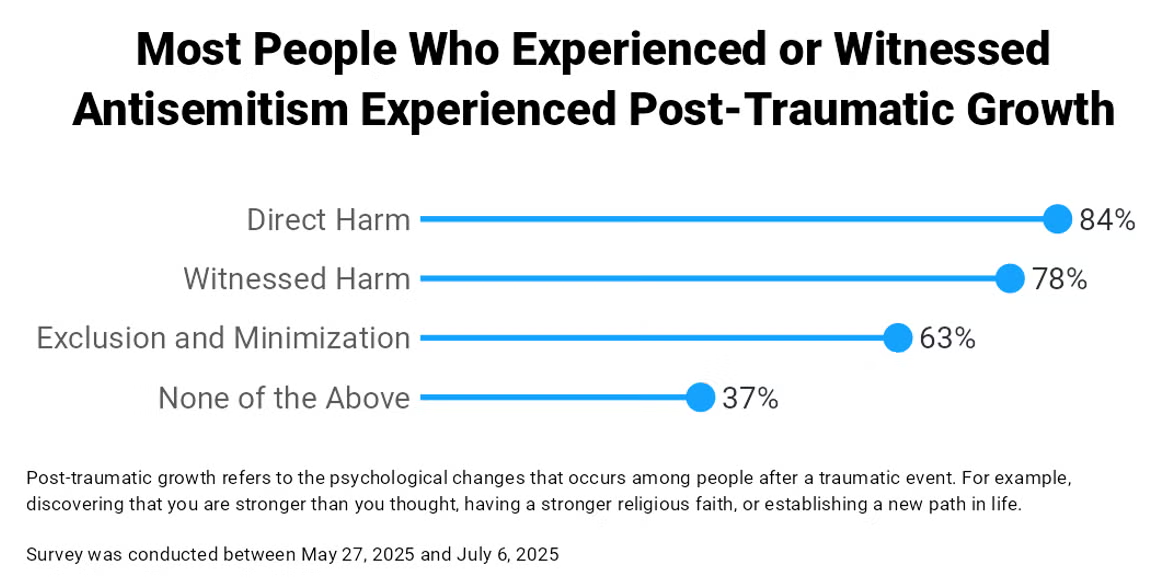
- American Jews showed great resilience, with 84% of those who were directly harmed in the past year making some positive change because of the antisemitism they experienced.
- What Jewish Federations terms “the Surge” - a marked increase in Jewish engagement - continues, though at slightly lower levels than in 2024, with nearly one-third of Jews reporting increased participation in Jewish life.
Introduction
The attacks on October 7, 2023, and their aftermath have profoundly reshaped the landscape of Jewish life in the United States, presenting both unprecedented challenges and new opportunities for community engagement. This joint report by the Anti-Defamation League (ADL) and Jewish Federations of North America explores the complex ways in which contemporary antisemitism affects Jewish Americans—not only through different types of experiences, but also through its broader implications for communal participation, perceptions of safety, and sense of belonging.
Drawing on the distinct yet complementary perspectives of our two organizations, this research offers a multifaceted view of the current Jewish American experience. For Jewish Federations, this study is part of a broader initiative to understand how the needs and behaviors of North American Jews have evolved since October 7, the extent to which an increase in antisemitism has driven these changes, and how these shifts are reshaping Jewish communal life. The goal is to inform Jewish institutions and their partners about efforts to build flourishing Jewish communities. A central finding has been a marked increase in both the desire for and participation in Jewish life, with individuals across diverse backgrounds seeking a deeper connection to the community. They have also reported on increased concerns of safety for Jewish Americans. Jewish Federations continue to investigate and report on the drivers, demographics, needs, and potential longevity of this “Surge.” ADL’s research, while focused through a different lens, also identifies this increase in engagement—interpreted as a form of traumatic growth in response to antisemitic experiences.
Similarly motivated by concern for Jewish American well-being, ADL’s study examines the relationship between antisemitism and a range of outcomes, including psychological distress, coping strategies, support-seeking behaviors, and resilience. Moving beyond traditional incident reporting, this work seeks to understand the broader psychological, social, and communal impacts of antisemitism, to better inform the development of resources, trainings, and tools for clinicians, clergy, educators, and others supporting affected individuals.
Many of the survey items used in both studies related to experiences with antisemitism were developed by Teachers College, Columbia University scholars Dr. Caryn Block and Yael Silverstein. Grounded in validated research on victimization, resilience, and related phenomena, these tools provide a rigorous foundation for understanding Jewish experiences with antisemitism today.
This report includes findings from two isurveys of the American Jewish community in March and June 2025 consisting of 1,877 and 2,982 Jewish respondents respectively. Together, these research efforts illuminate how antisemitism functions not merely as a series of isolated incidents, but as a pervasive force shaping Jewish identity, institutional life, and individual decision-making. The findings presented in this report offer critical insights for community leaders, policymakers, and Jewish institutions working to support and strengthen Jewish life in an increasingly complex social environment.
Experiences of Antisemitism
Jewish-Americans face sustained levels of antisemitism in their daily lives.
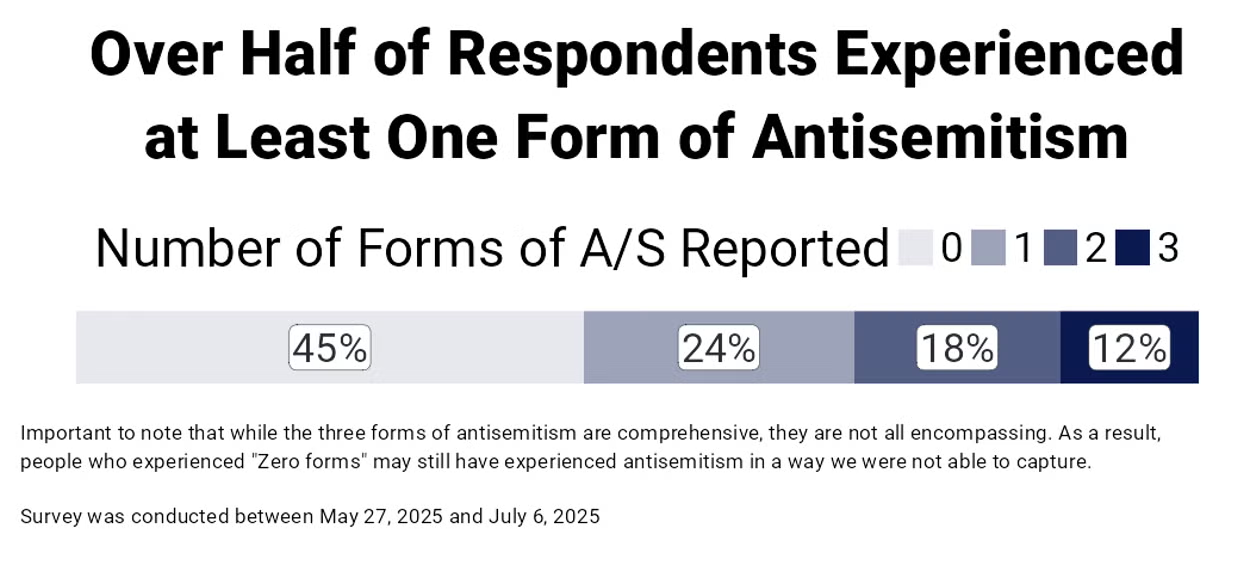
Over the past 12 months, 55% of Jewish Americans surveyed reported experiencing at least one type of antisemitism measured by this study. 18% of respondents were the victim of a physical attack, threatened with physical attack, or verbally harassed due to their Jewish identity (direct harm), 36% witnessed actual or threatened antisemitic violence (witnessed harm), and 44% had experienced exclusion or minimization based on their Jewish identity.i 24% of respondents experienced a single form of antisemitism, 18% of respondents experienced two types of antisemitism, and 12% experienced all three.
Given the prevalence and multiple forms of direct harm, witnessed harm, exclusion and minimization experienced by survey respondents, perhaps it’s not surprising that 57% of American Jews surveyed agreed with the statement “I believe that antisemitism is a normal Jewish experience.”
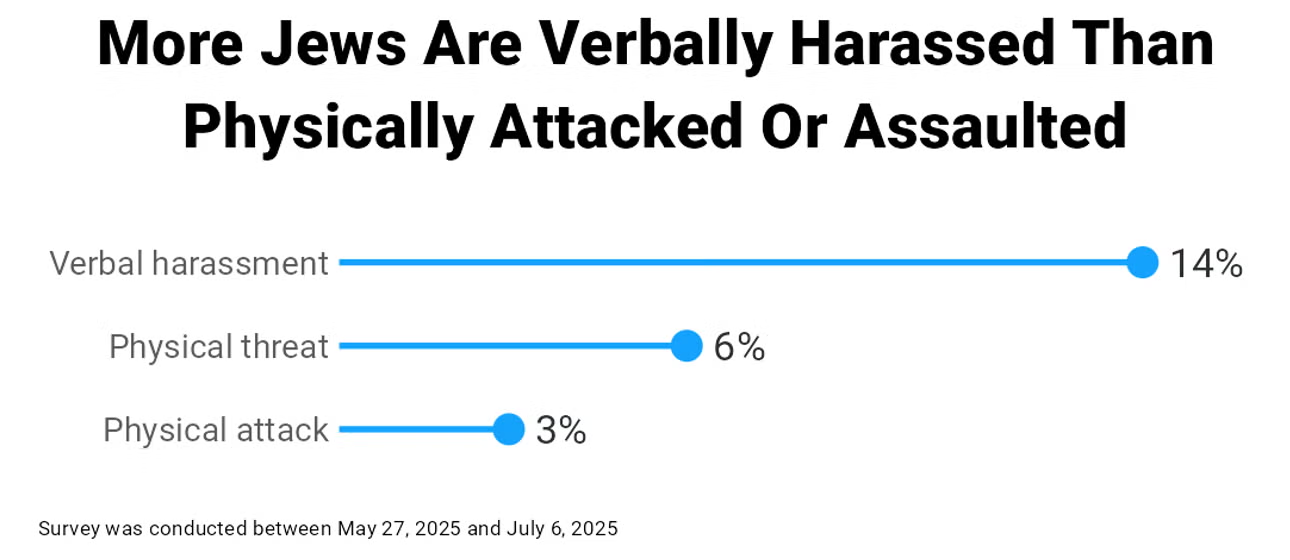
Nearly one in five respondents was physically assaulted, physically threatened, or verbally harassed because of their Jewish identity within the last 12 months.
Of these, 14% of respondents experienced verbal harassment, 6% were physically threatened, and 3% were physically assaulted or had someone attempt to physically assault them in the last year because of their Jewish identity.ii
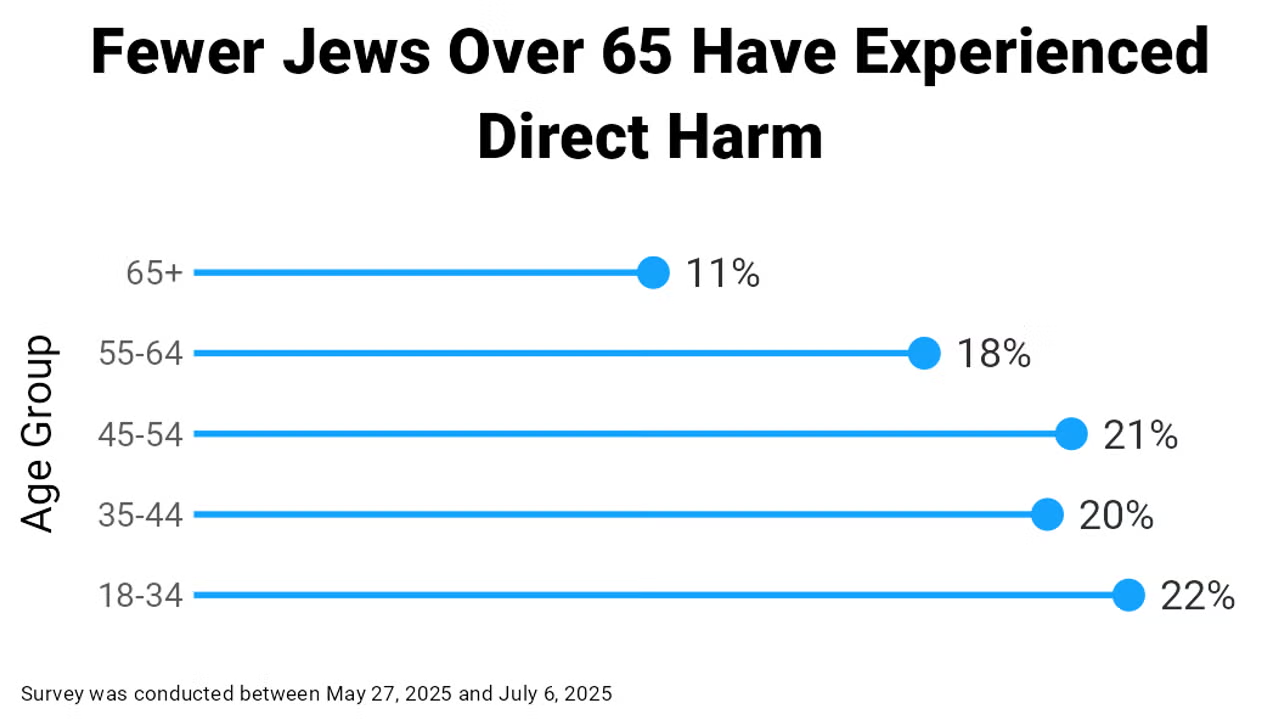
Rates of direct antisemitic harm varied somewhat based on respondents’ age, region, and political affiliation, but were not limited to any one group. Respondents that were 65 or older were directly harmed less often, but there were no significant differences across other age groups. Respondents in the south had lowest rate of direct harm (14%), while those in the northeast had the highest rate (20%). Differences between other regions were not significant. Self-identified Democrats were less likely to say they had been directly harmed in the last 12 months (14%) than Independents or Republicans (27% and 26% respectively).
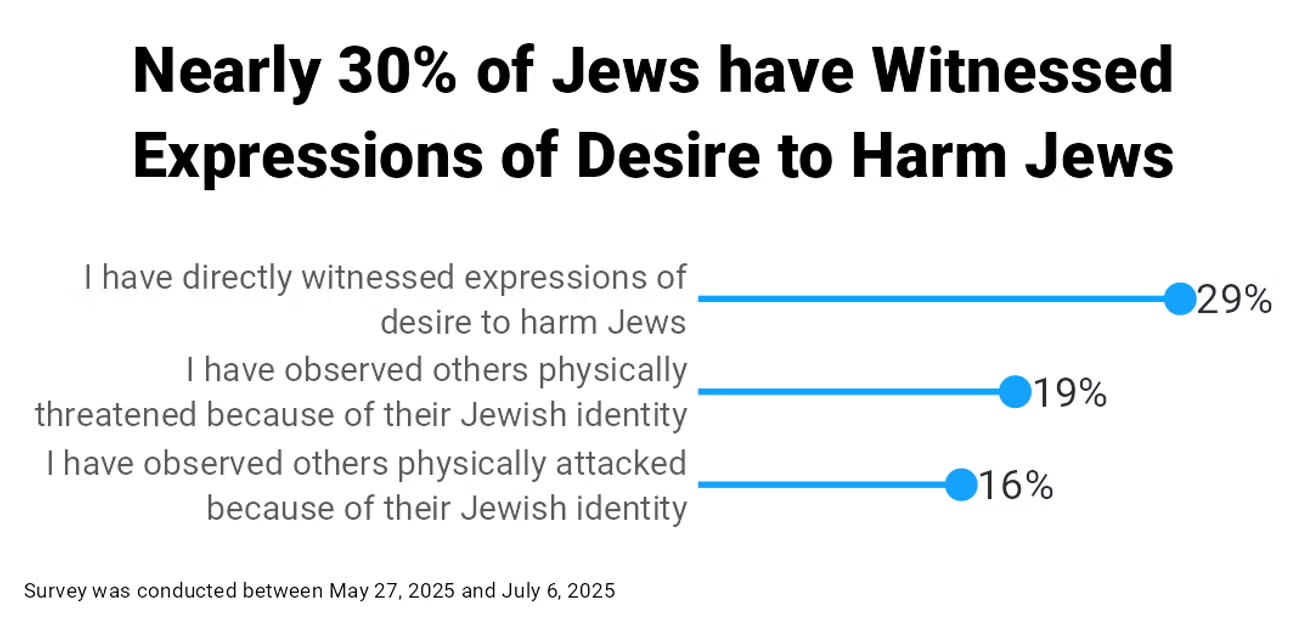
More than one in three Jewish American respondents witnessed an incident of actual or threatened antisemitic violence over the past 12 months.
36% of respondents have witnessed at least one form of antisemitic harm over the past 12 months. This includes witnessing someone being physically attacked because of their Jewish identity, witnessing someone be threatened with physical attack because of their Jewish identity, or witnessing someone expressing a desire to harm Jews.iii
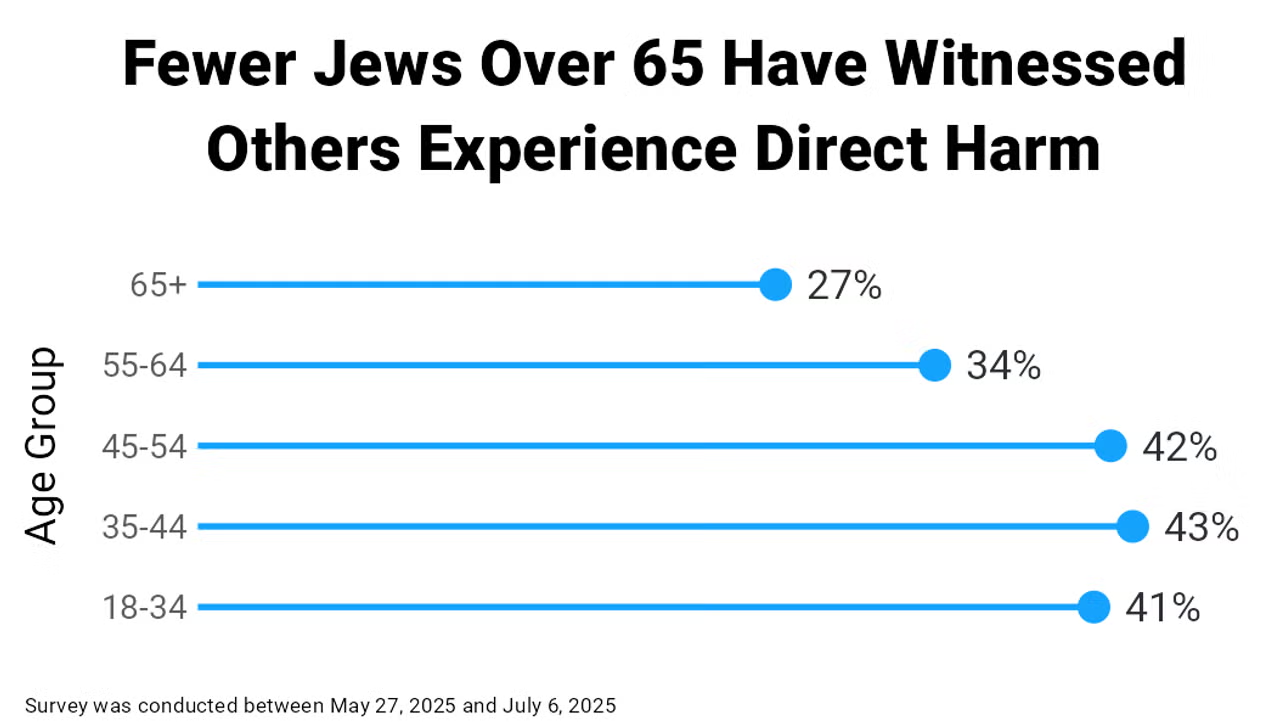
Respondents in the three youngest age cohorts were significantly more likely to witness antisemitic harm than the Jewish Americans 65 and older. Republicans were also significantly more likely to report witnessing harm than Independents or Democrats, with 53% witnessing harm in the last year compared to 38% of independents and 31% of Democrats. Differences in witnessing antisemitic harm by region of the U.S. were not significant, with rates ranging from 34 to 40 percent.
Nearly half of Jewish Americans surveyed experienced antisemitic exclusion or minimization in the past year.
In addition to more overt forms of antisemitism such as actual or threatened violence and verbal assault, researchers examined the prevalence of experiencing more subtle forms of antisemitism, which were categorized as antisemitic exclusion or minimization. Antisemitic exclusion or minimizations are defined as acts or communications that minimize or discredit Jewish lived experience. Researchers gauged antisemitic exclusion or minimization as experiencing at least one of the six actions listed below occasionally, a moderate amount, or a great deal in the last 12 months.
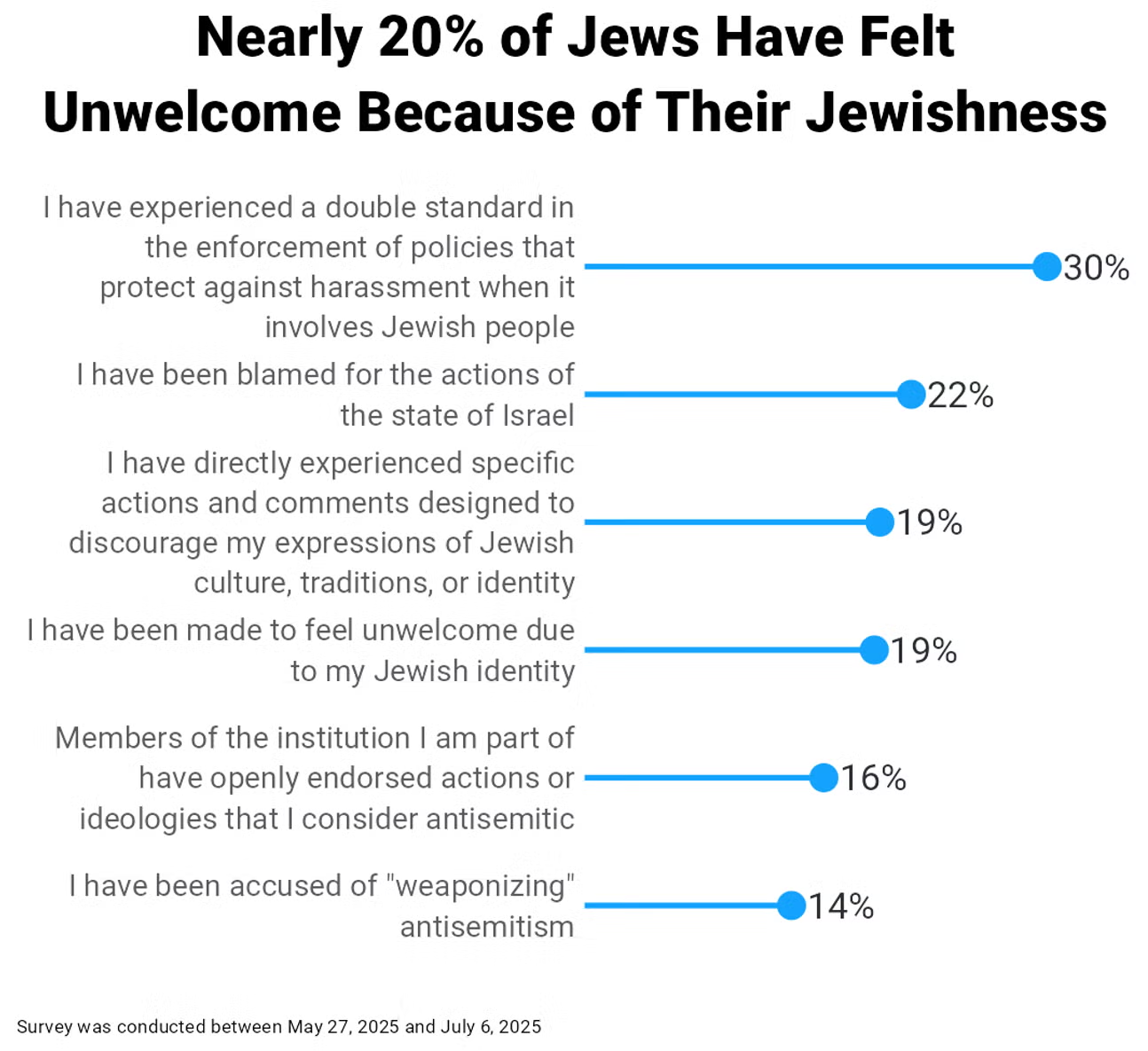
Overall, 44% of respondents reported experiencing at least one type of exclusion or minimization in the past 12 months. 30% experienced a double standard in the enforcement of anti-harassment policies, 22% were blamed for the actions of the State of Israel, 19% were discouraged from an expression of Jewish culture, traditions, or identity, 19% were made to feel unwelcome because of their Jewish identity, 16% were part of an institution that endorsed an action or ideology they considered antisemitic, and 14% were accused of weaponizing antisemitism.
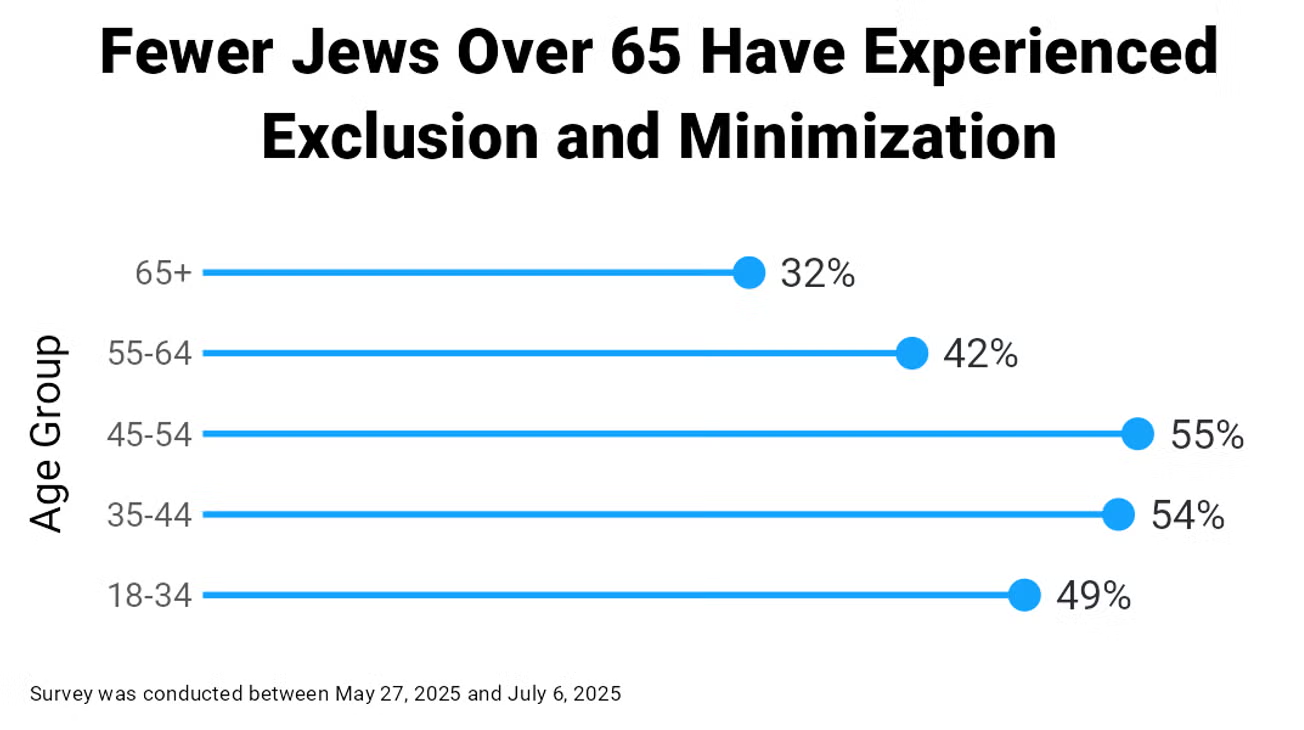
Generally, younger respondents were more likely to report experiencing at least one type of exclusion or minimization than the oldest two age cohorts, with over half of respondents aged 35-44 or 45-54 reporting such experiences. Respondents aged 65 or older were significantly less likely to have experienced exclusion or minimization than all other age cohorts. There were no significant differences in experiencing exclusion or minimization by region, with percentages ranging from 42% to 49%. More than half of Republican and Independent respondents experienced exclusion or minimization (57% and 53%, respectively), with Democrats significantly less likely to have such experiences within the last year (39%).
Six percent of American Jews have experienced antisemitic sexual violence.
This includes 3% who report having experienced or been threatened with sexual violence because they are Jewish and 5% who have seen sexualized portrayals of Jews because of their identity. While women and men were statistically as likely to report these experiences, individuals reporting these experiences did not follow a similar response pattern to other questions on antisemitic experiences, indicating that different people are experiencing antisemitism in the form of sexual violence compared to other modalities.
Jewish Americans experienced antisemitism across virtual and real-life settings.
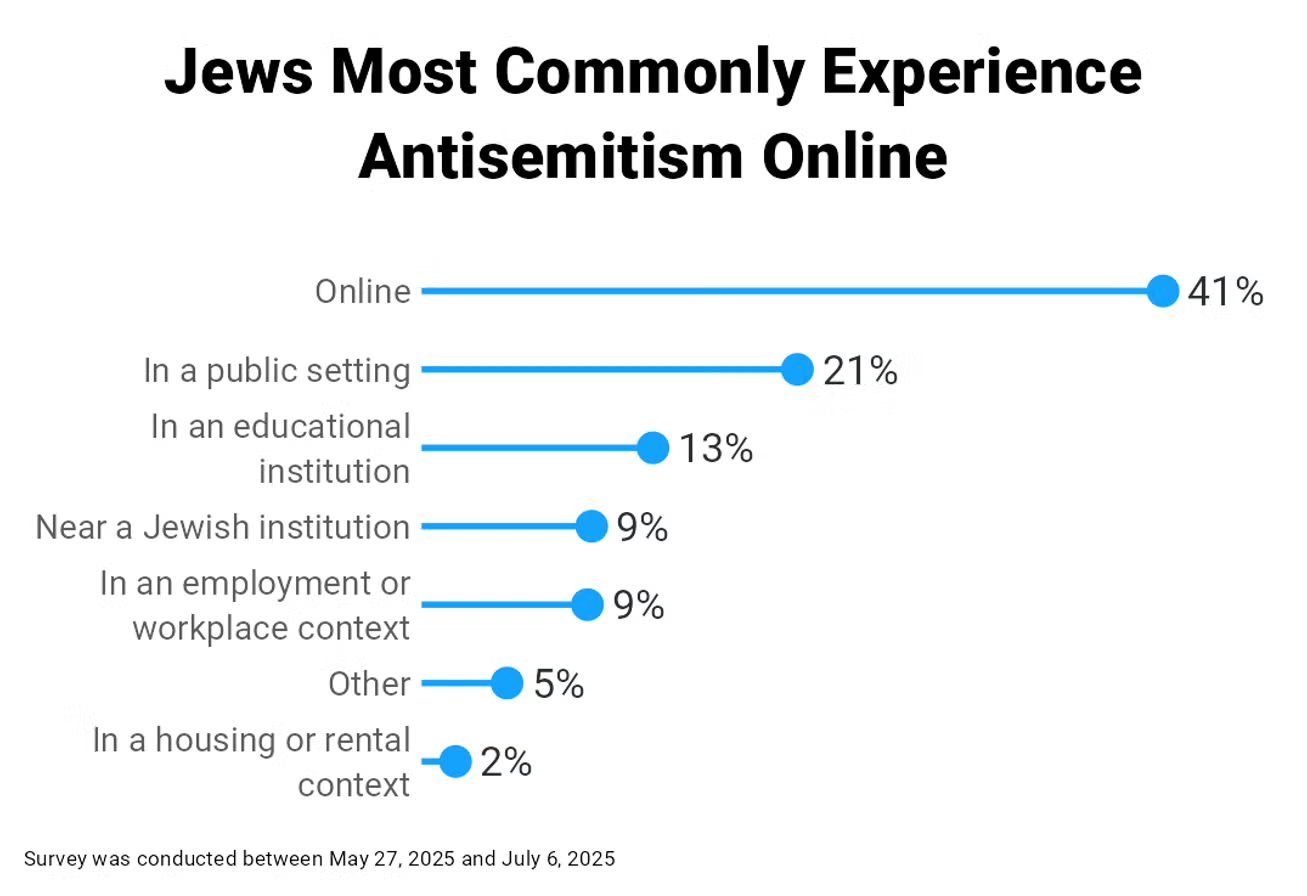
Respondents indicated that they experienced antisemitism across virtual and in-person settings over the past year in a variety of ways.iv 41% of the sample reported having experienced antisemitism online, including slurs, threats, doxxing, targeted trolling, exposure to antisemitic content, or discrimination in online communities or platforms. 21% reported experiencing antisemitism in public settings such as parks, restaurants, hotels, hospitals, stores or streets; 13% reported experiencing antisemitism in an educational institution; 9% reported experiencing antisemitism near a Jewish institution (for example, synagogue, Hillels, or community centers), and 9% reported it in an employment or workplace context.
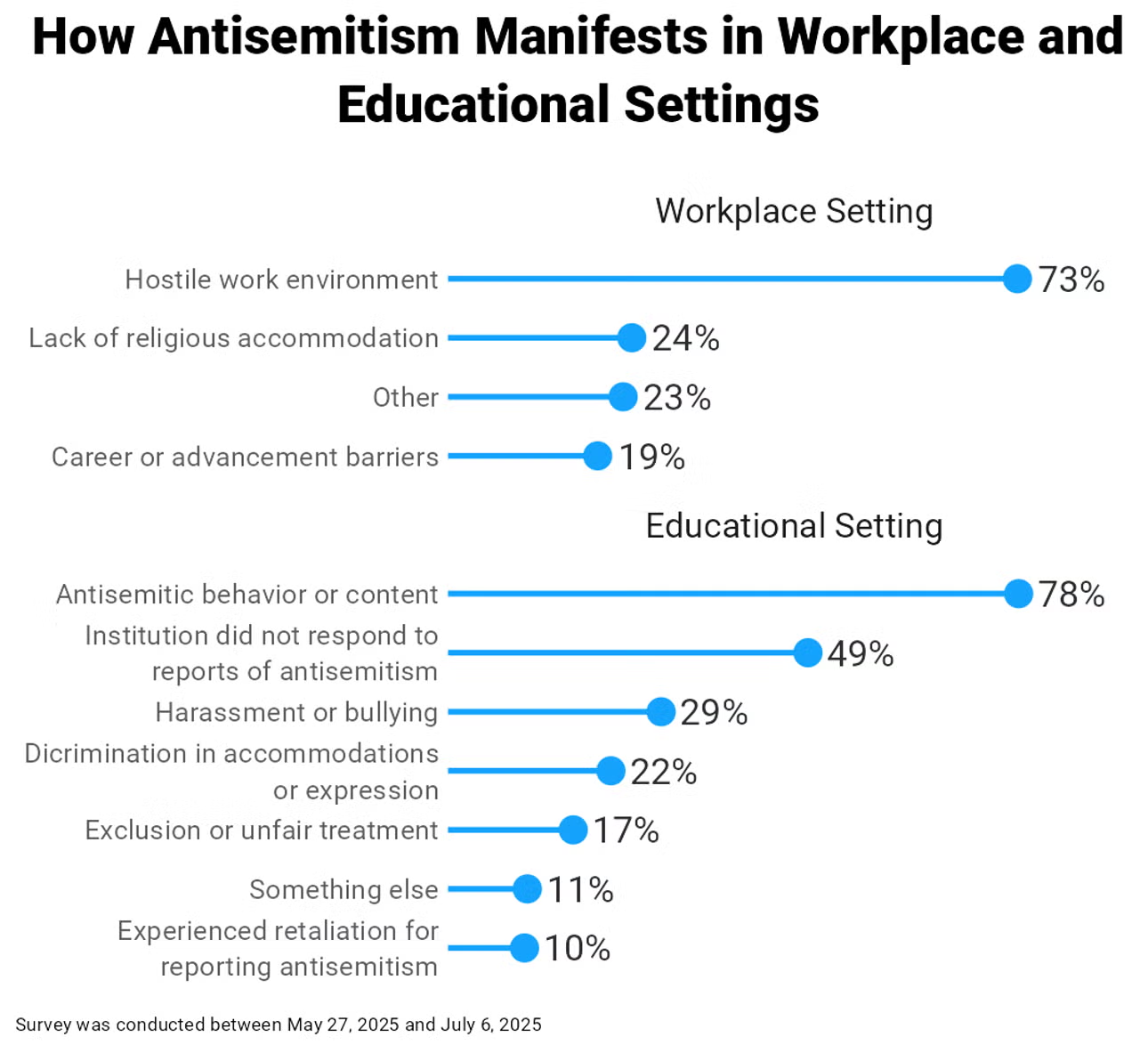
While experiencing antisemitism in any context puts American Jews at physical or mental risk, it may be particularly impactful when experienced in “everyday” settings such as one’s place of work or school. Researchers asked respondents reporting antisemitism in those settings about their specific experiences. The most experienced type of antisemitism in both settings (roughly 75% for each) was a hostile environment, whether that entailed antisemitic jokes, comments, symbols, or Holocaust denial. In the workplace, other common experiences included lack of religious accommodation and career advancement barriers. Those who experienced antisemitism within an educational institution also experienced antisemitism in the forms of discrimination in accommodations or expression, exclusion, and either non-response or retaliation for reporting antisemitism.
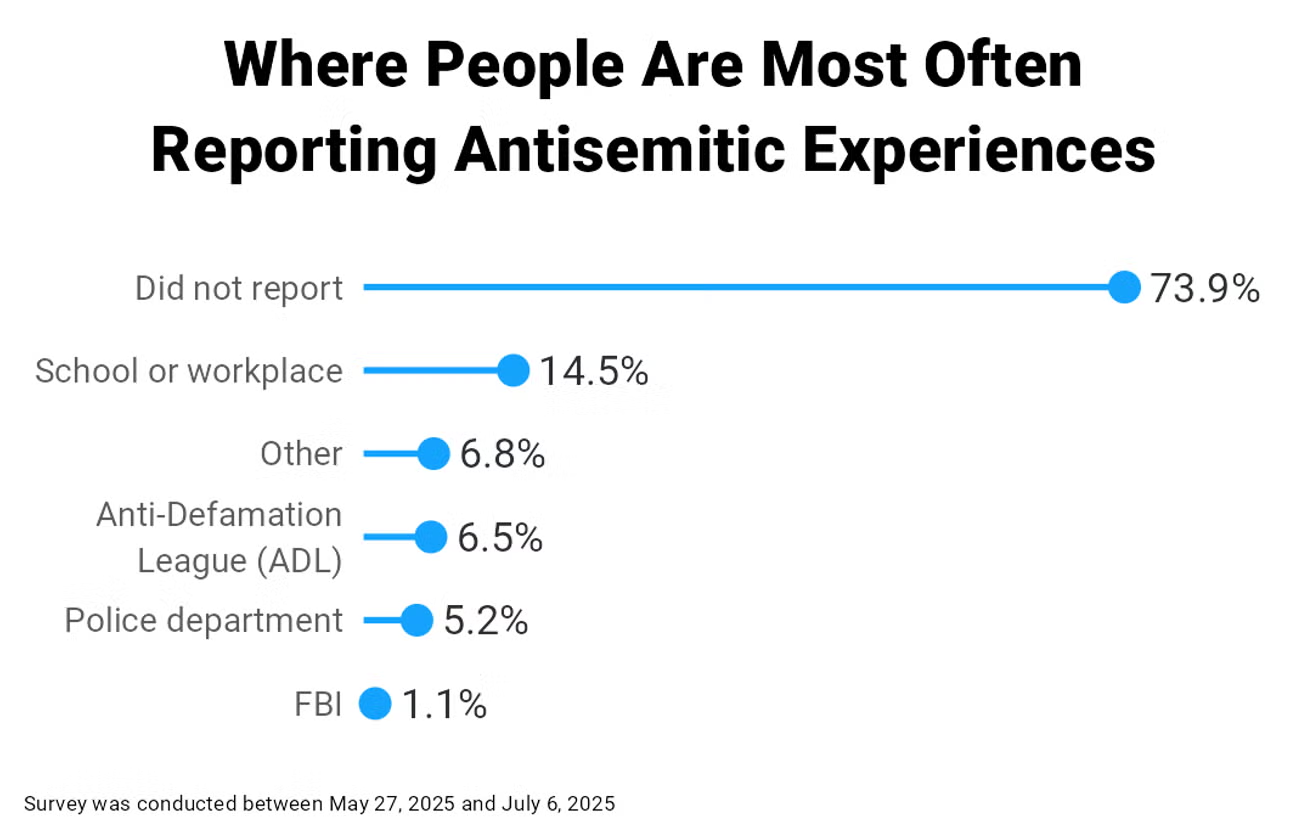
Nearly three in four respondents experiencing Anti-Jewish discrimination did not report it to any organization.
Among those who experienced anti-Jewish discrimination, 74% did not report their experience to any institution or organization. Of those who did report it, 15% contacted school or workplace authorities, 7% contacted ADL, 5% contacted the police, 1% contacted the FBI, and 7% contacted some other authority.v
When examining respondents that experienced antisemitism in a workplace context, 58% did not report any incident, while 25% reported an incident of anti-Jewish discrimination to a school or workplace, and 13% reported to ADL. Among those who experienced antisemitism in an educational context, 54% did not report any incident, 29% reported an incident of anti-Jewish discrimination to a school or workplace, and 12% reported to ADL.
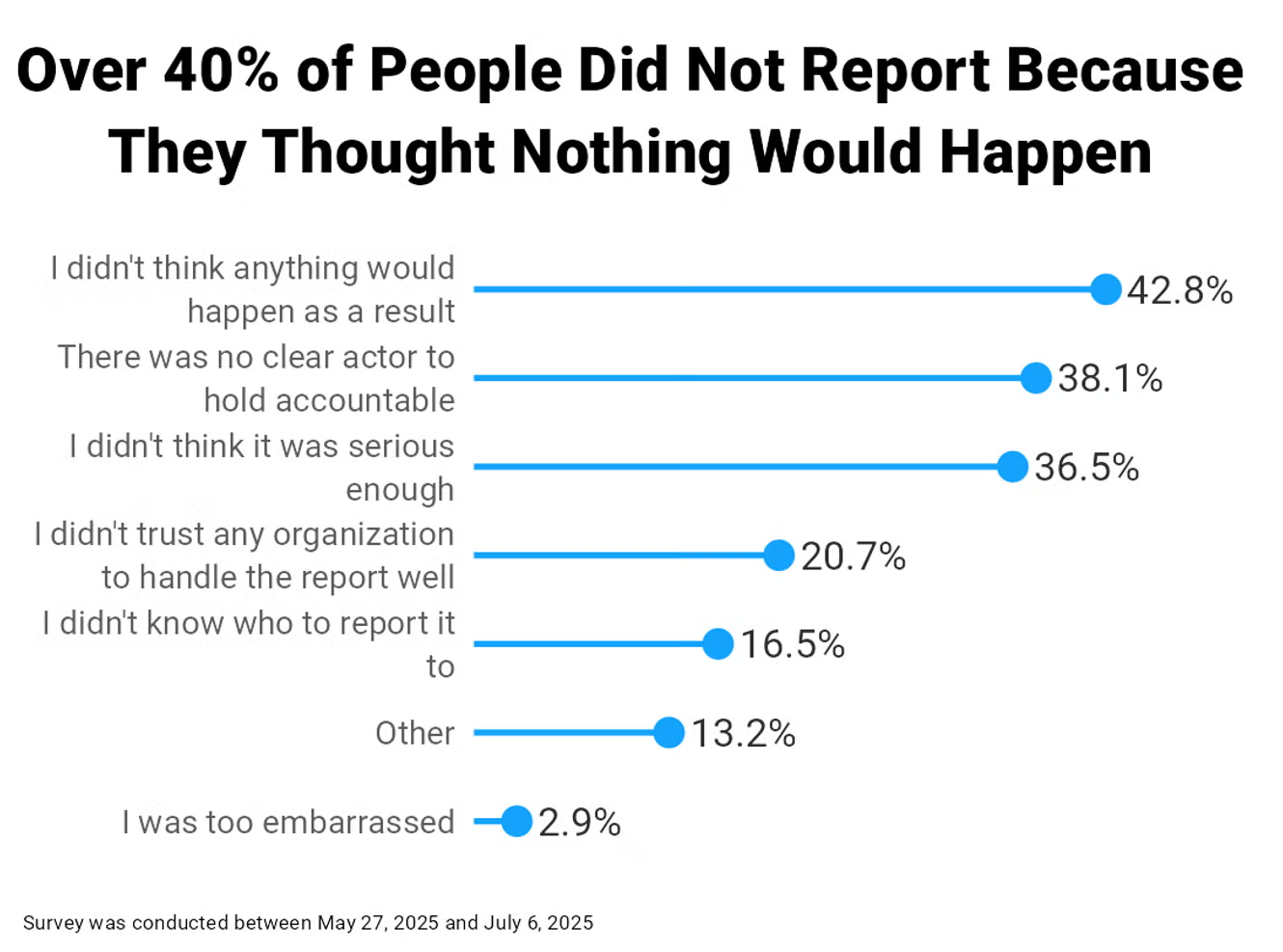
Victims of anti-Jewish discrimination reported several reasons why they did not report, indicating areas where institutions could reduce perceived barriers to reporting. Among non-reporters, 43% didn’t think anything would happen as a result of reporting, 38% felt there was no clear actor to hold accountable or didn’t think it was serious enough, 21% didn’t trust any organization to handle it well, and 17% didn’t know who to report it to.
Effects of Antisemitism
The vast majority of the Jewish community is deeply concerned about antisemitism today and nearly half are taking precautionary actions in response.
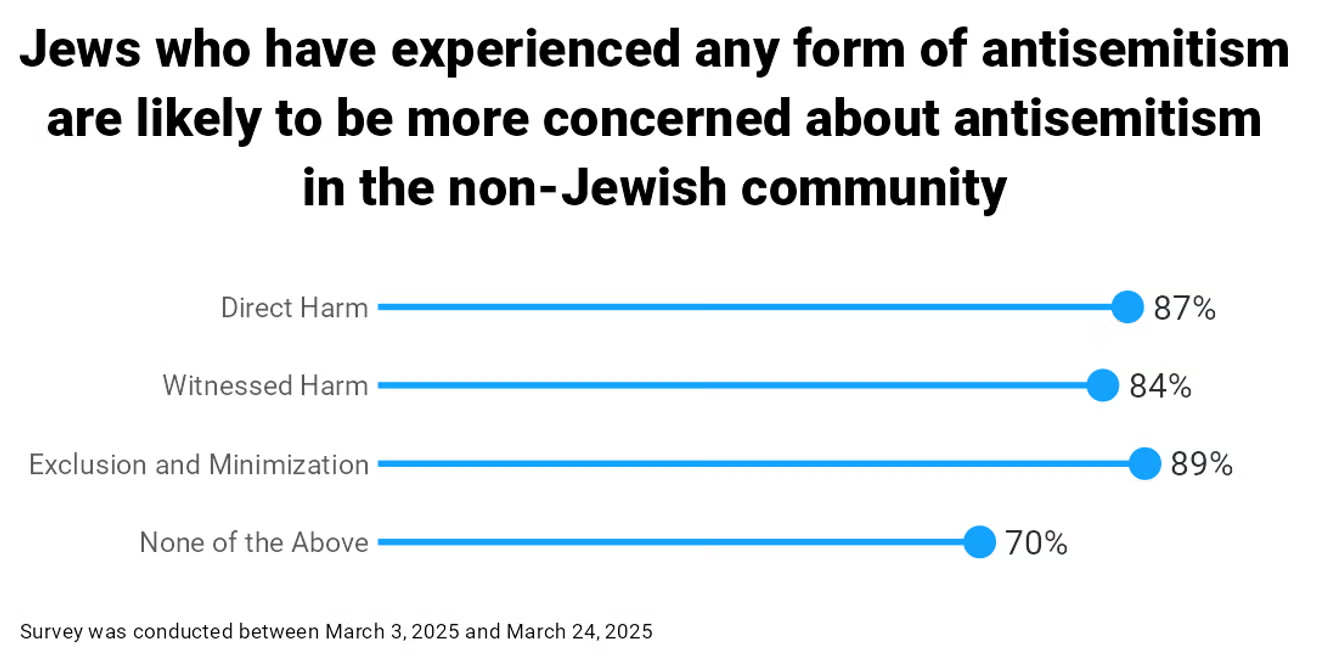
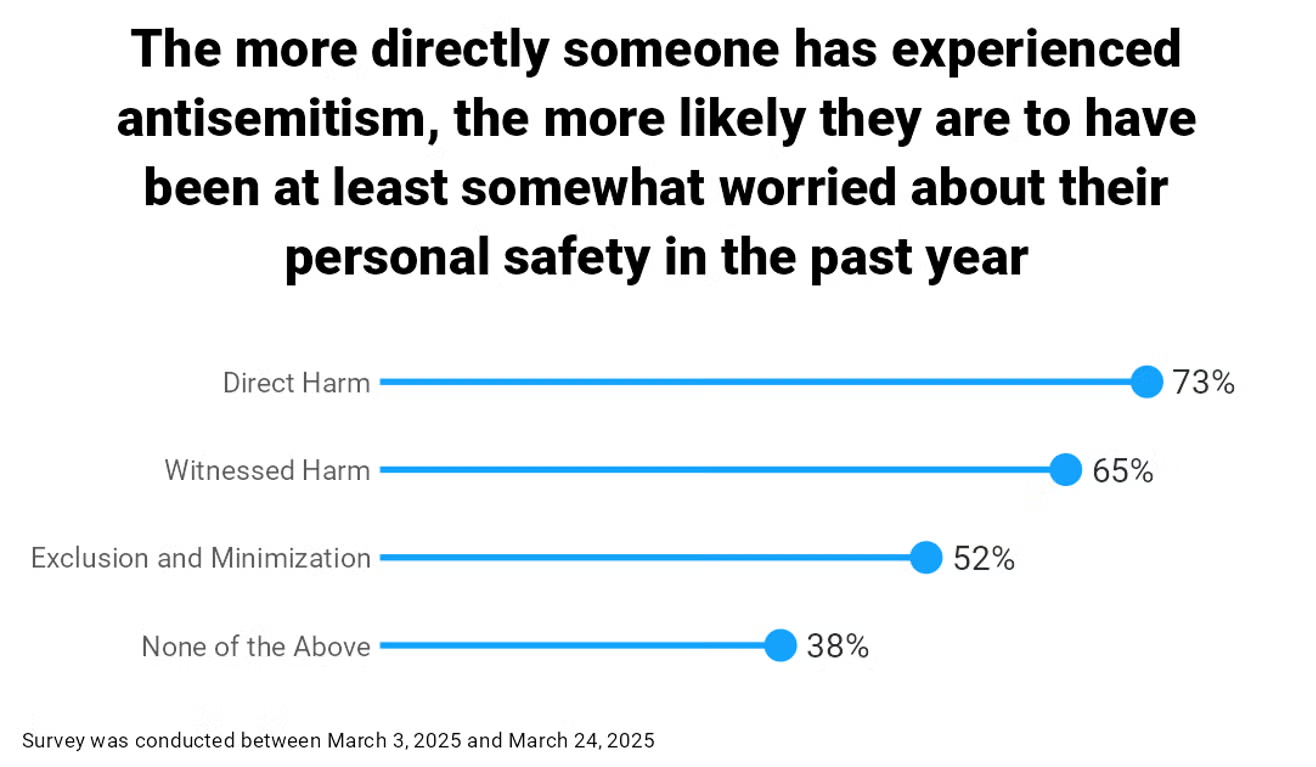
79% of all respondents are concerned about antisemitism. Respondents who have experienced any form of antisemitism are significantly more likely to be concerned about antisemitism. In addition to general concern about antisemitism, 52% of Jewish Americans have been somewhat, very much, or always worried about their personal safety in the past year based on their identity, but individuals who have experienced direct antisemitic harm report significantly higher rates, with 73% being concerned for their safety.
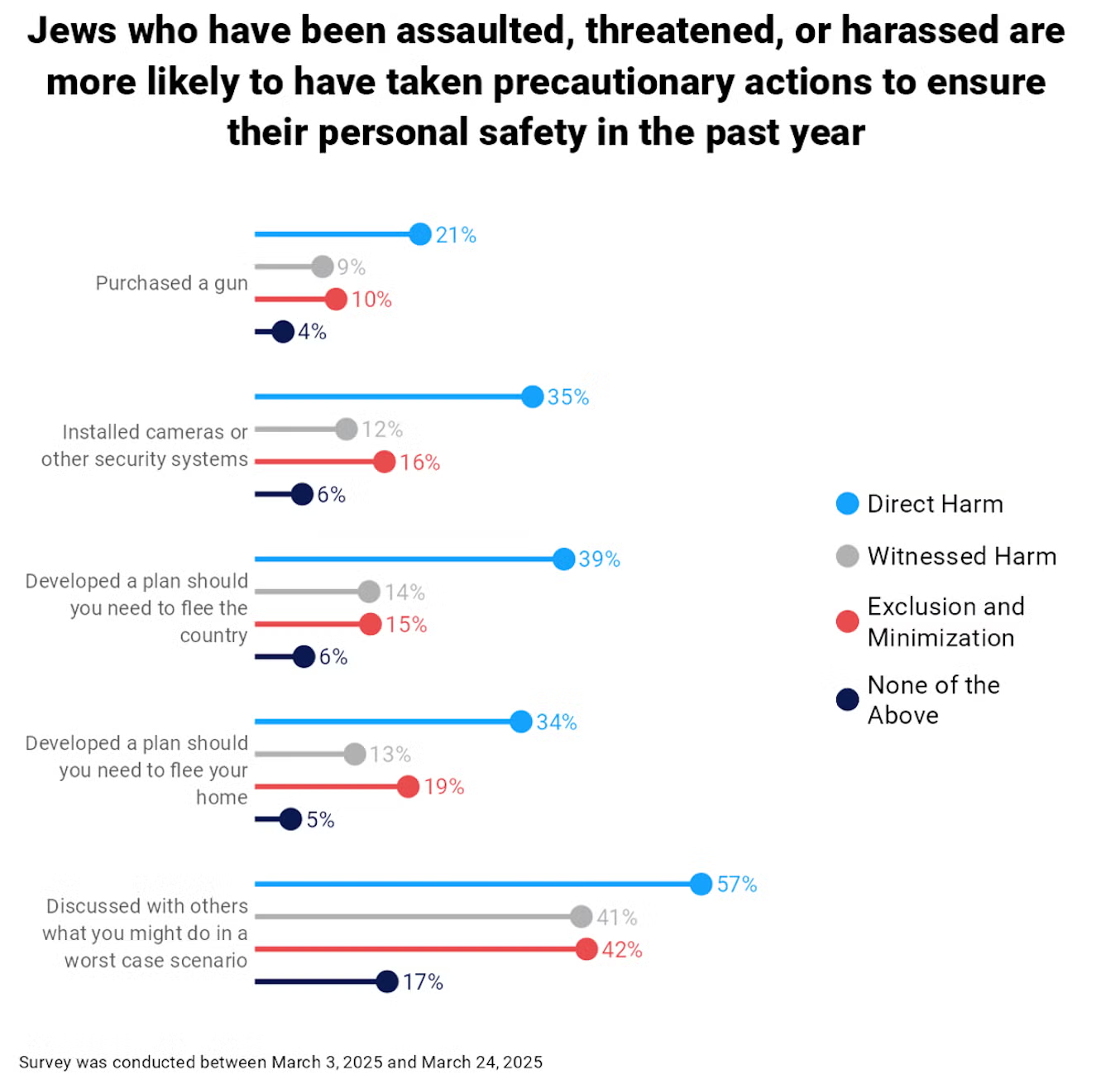
Nearly half of those surveyed (48%) over the past year have taken actions to increase their personal security and safety due to concerns of antisemitism, such as planning what to do in the event of a worst case scenario, increasing personal security systems, or purchasing a gun, demonstrating that the concern is leading to a direct response in action. 33% of Jews have discussed with others what they might do in a worst-case scenario, 14% have developed a plan should they need to flee the country, 13% have developed a plan should they need to flee their home, and 13% have installed cameras or other security systems. 9% have purchased a gun.
Again, individuals who have experienced direct antisemitic harm report significantly higher rates for each action.
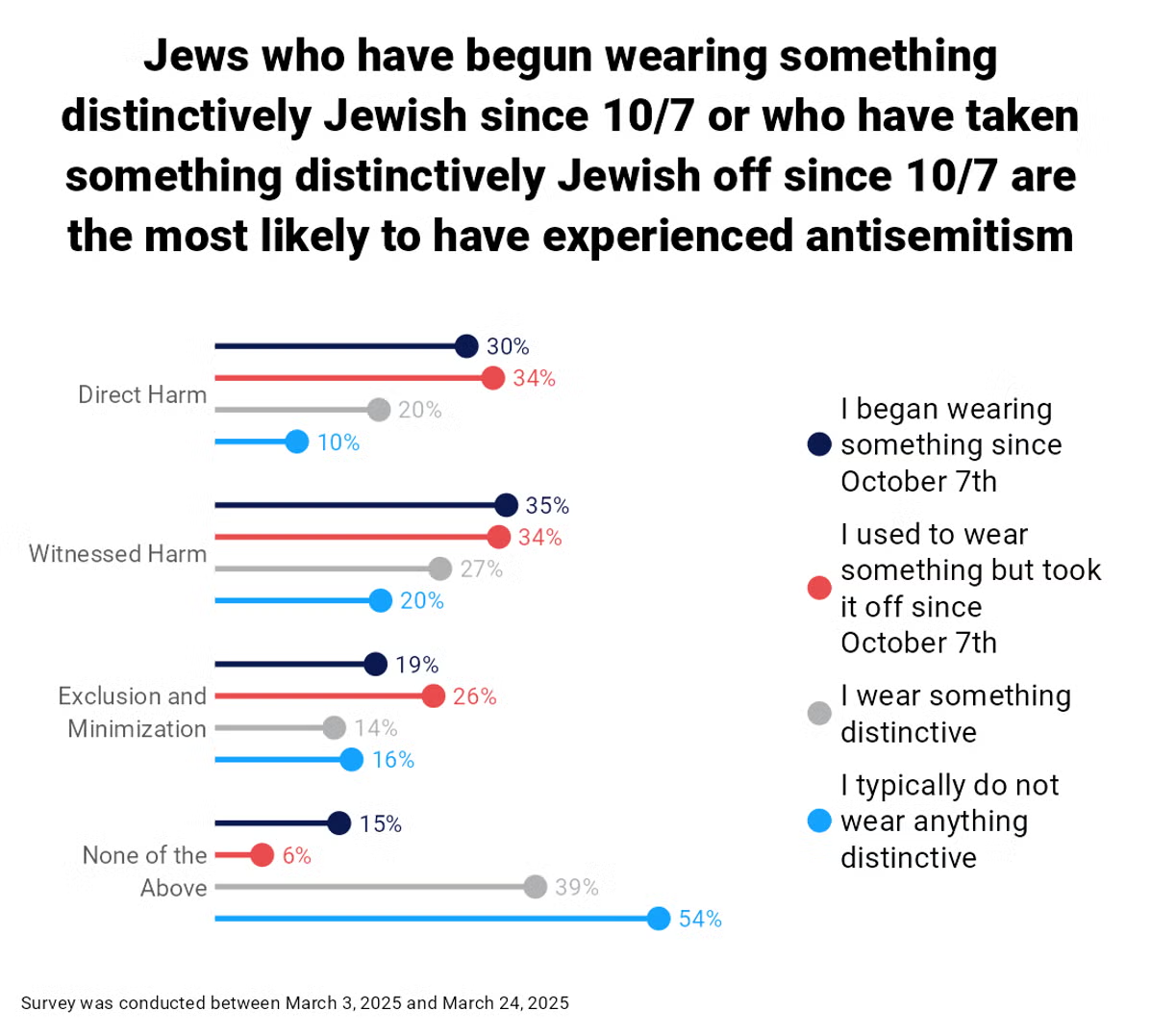
20% of Jews who wore something distinctively Jewish before October 7 have since taken it off. Of those individuals, 94% report experiencing any of the three forms of antisemitism focused on in this report. 9% of Jewish Americans who did not wear a distinctive Jewish item before October 7 have since started wearing one. Of them, 85% report experiencing these forms of antisemitism compared to 46% who continue not to wear a distinctive item.
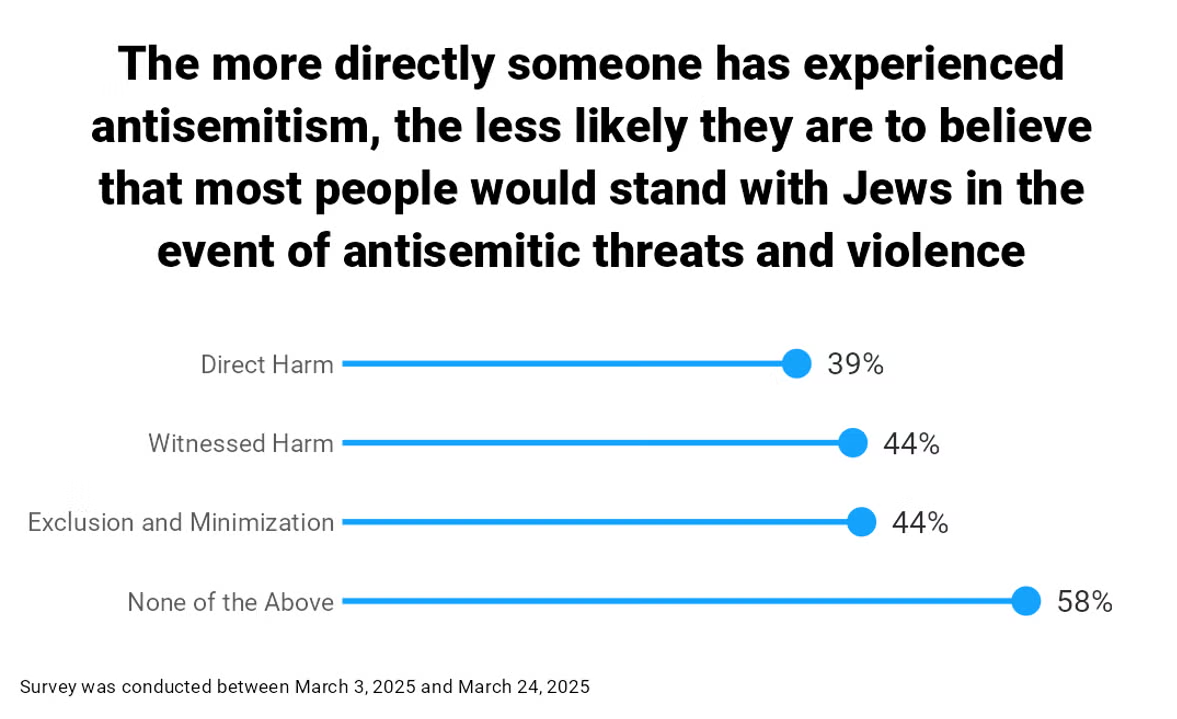
Compared to this time last year, Jews feel less sure of non-Jewish support in fighting antisemitism.
50% of Jews feel that most people in the broader non-Jewish community would stand with Jews in the event of antisemitic threats and violence, down 6 percentage points since from a similar survey conducted last year. These rates are significantly lower among individuals who have experienced antisemitism.
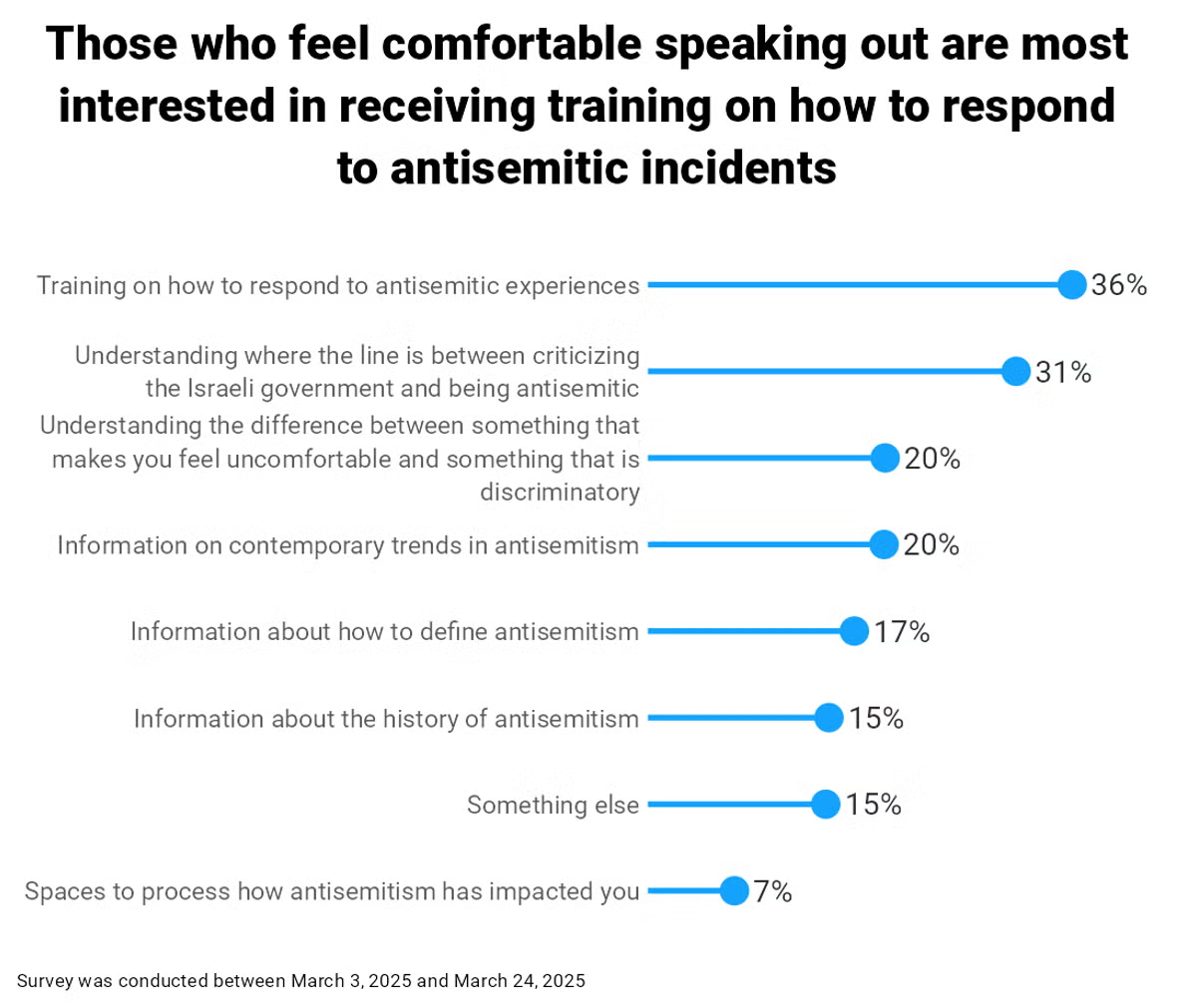
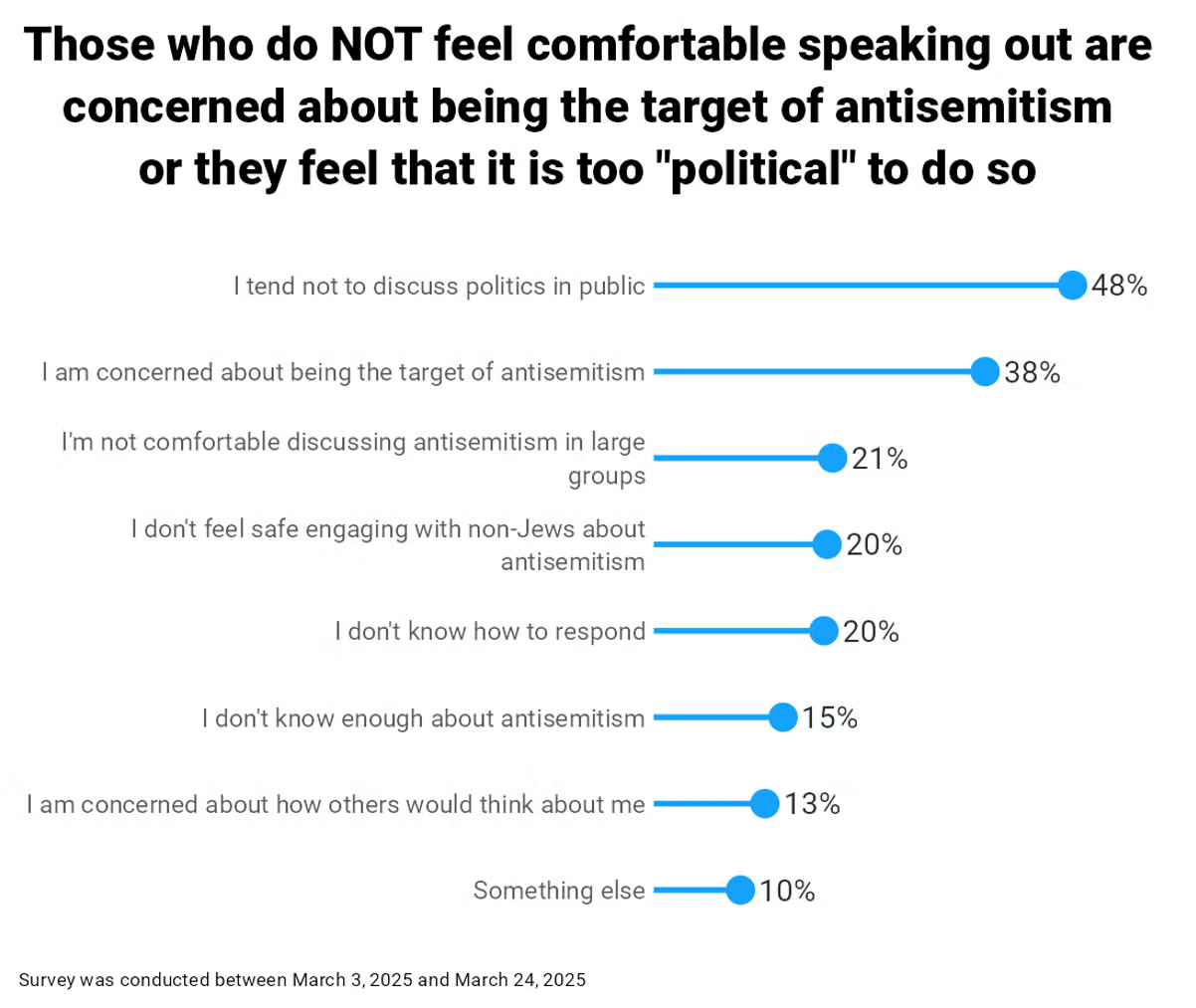
Despite this, Jews have not given up on fighting antisemitism. Only 30% of Jews believe there is nothing we can do to change the state of antisemitism in America, with experiences of antisemitism not significantly predicting these feelings, and 68% feel more than a little comfortable speaking up against antisemitism in public. Those who feel comfortable speaking out are most interested in receiving training on how to respond to antisemitic incidents (36%). In contrast, those who do not feel comfortable speaking out report that they think that it is too “political” to do so (48%) or are concerned about being the target of antisemitism (38%).
Directly experiencing or witnessing antisemitism has adverse mental and physical effects.
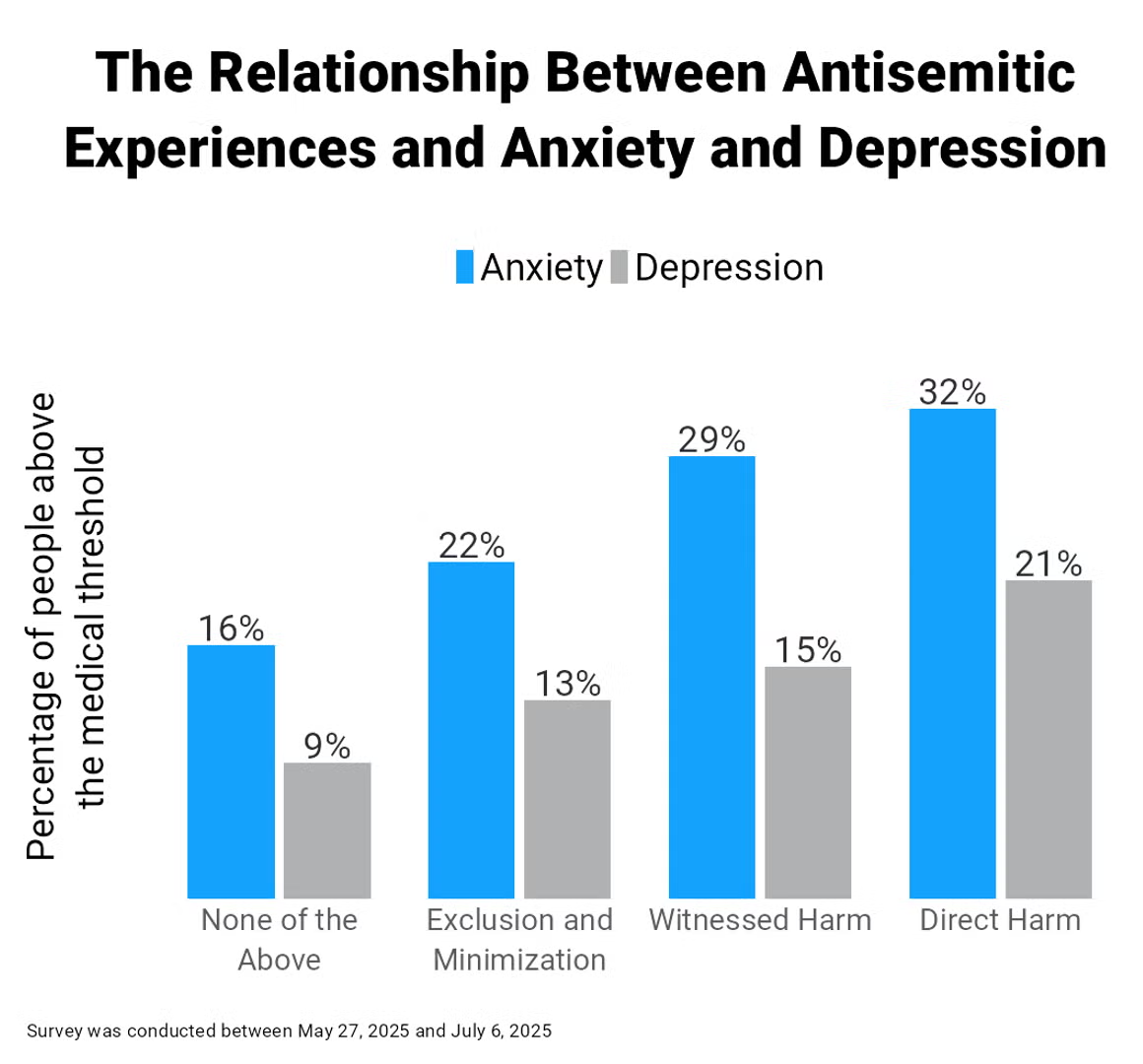
Jewish-Americans who experienced direct antisemitic harm or witnessed antisemitic harm within the past 12 months exhibited higher rates of symptoms used to screen for anxiety and depression. Respondents were asked questions from the GAD-2 medical screener for generalized anxiety disorder and PhQ-2 medical screener used to assess depression. In a medical setting, respondents scoring above the battery’s threshold for anxiety or depression are typically referred for additional screening.
Jewish-Americans who were directly harmed or witnessed harm in the past 12 months were significantly more likely to score above the referral threshold for anxiety. 32% of respondents who experienced direct harm scored above the referral threshold, as did 29% of respondents who witnessed, but were not directly harmed. 16% of those who had neither experience and also did not experience exclusion or minimization scored above the referral threshold.vi Respondents who only experienced exclusion or minimization also exhibited a higher rate of scoring above the anxiety threshold (22%), but this difference was not significant.
Similarly, respondents who directly experienced or witnessed antisemitic harm in the past 12 months were significantly more likely to score above the referral threshold for depression. 21% of respondents who experienced direct harm in the past 12 months scored above the referral threshold for depression, as did 15% of those that witnessed, but did not experience direct harm. Just nine percent of respondents who were not directly harmed, did not witness harm, nor experience exclusion or minimization scored above the referral threshold. Again, respondents who only experienced exclusion or minimization exhibited a higher rate of scoring above the referral threshold for depression (13%), but this difference was not significant.
Jewish Americans who were directly harmed or witnessed harm in the past 12 months were also significantly more likely to respond that the prejudices they have experienced have negatively impacted their physical health. 41% of respondents who experienced a direct harm in the past 12 months responded “sometimes, frequently, or “always” to the question “the prejudices I’ve experienced have negatively impacted my physical health”, compared to 22% of those who witnessed antisemitic harm but did not directly experience it, 13% of those who experienced exclusion or minimization but no other type of antisemitism, and 5% for respondents who had none of these experiences. Differences between each group were statistically significant.
Jewish Americans who experienced or witnessed antisemitic acts exhibited remarkable rates of positive change in their lives.
Despite the significant psychological toll of antisemitism, Jewish-Americans exhibited many types of positive changes in their lives in light of the antisemitism they have experienced.vii Asked “to what degree (have) you experienced the following changes as a result of the antisemitism you have experienced?,” 84% of respondents who experienced direct antisemitic harm and 78% of those that witnessed, but did not directly experience harm in the last 12 months responded that they made at least one type of change to at least a small extent. This is significantly larger than the percentages for respondents who only experienced exclusion or minimization (63%) or did not have any such experience (37%).
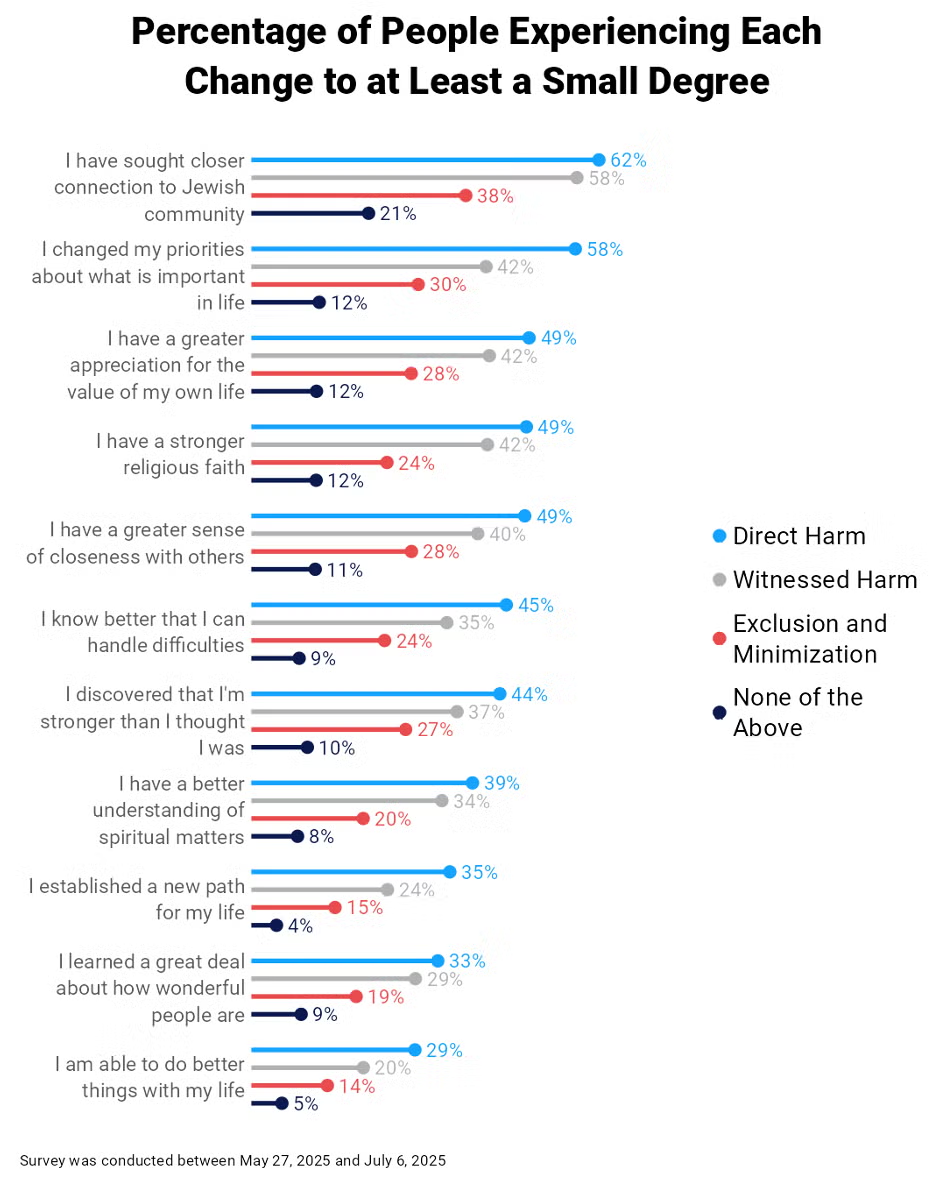
The most commonly cited types of changes among those that experienced direct harm were seeking closer connection to the Jewish community (62%), changing priorities about what is important in life (58%), having a greater appreciation for the value of my own life, stronger religious faith, and greater sense of closeness with others (49% for each). These were also the most common types of change cited by those who witnessed but did not directly experience harm, albeit at lower rates.
Rising antisemitism has not stopped Jews from engaging more with Jewish community.
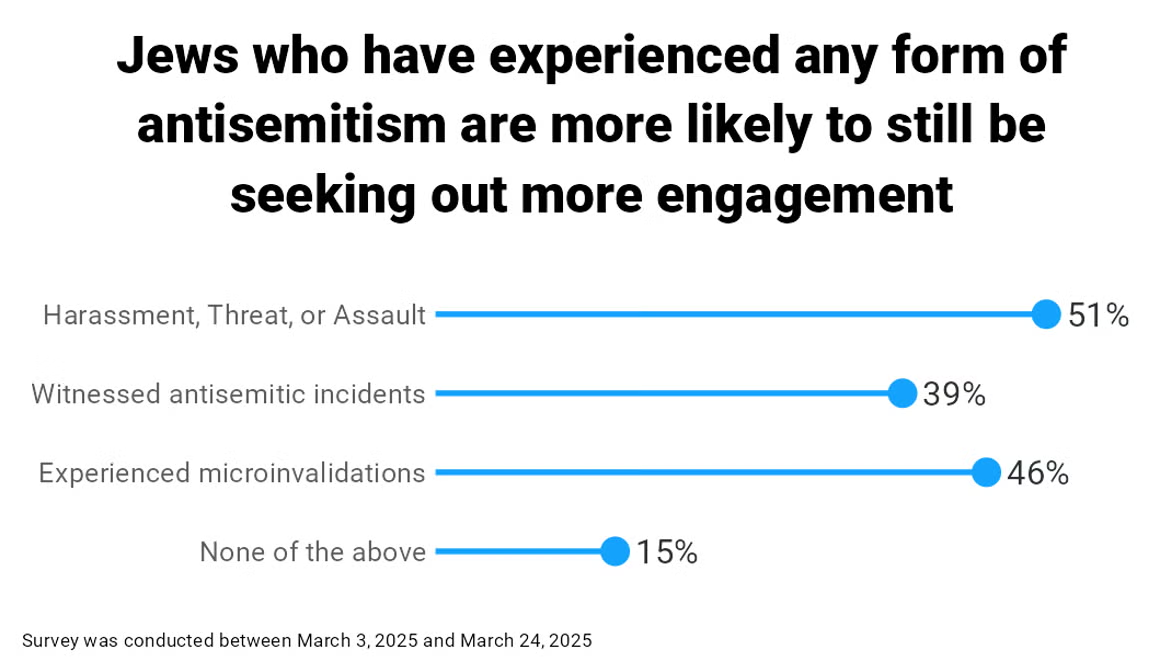
As of March 2025, 31% of the Jewish community today is engaging more or seeking to engage more in Jewish life (down from 43% at this time last year), a phenomenon that Jewish Federations has termed “the Surge.” This finding from Jewish Federations was reflected in the ADL’s discovery that the single largest post-traumatic growth response to antisemitism was “I have sought closer connection to Jewish community,” with 62% of Jewish Americans who directly experienced antisemitism reporting this behavior.
Aligned with this finding, we see that Jews who have encountered direct antisemitic harm are worried about their personal safety because of their Jewish identity are significantly more likely to still be seeking out more engagement with Jewish life.
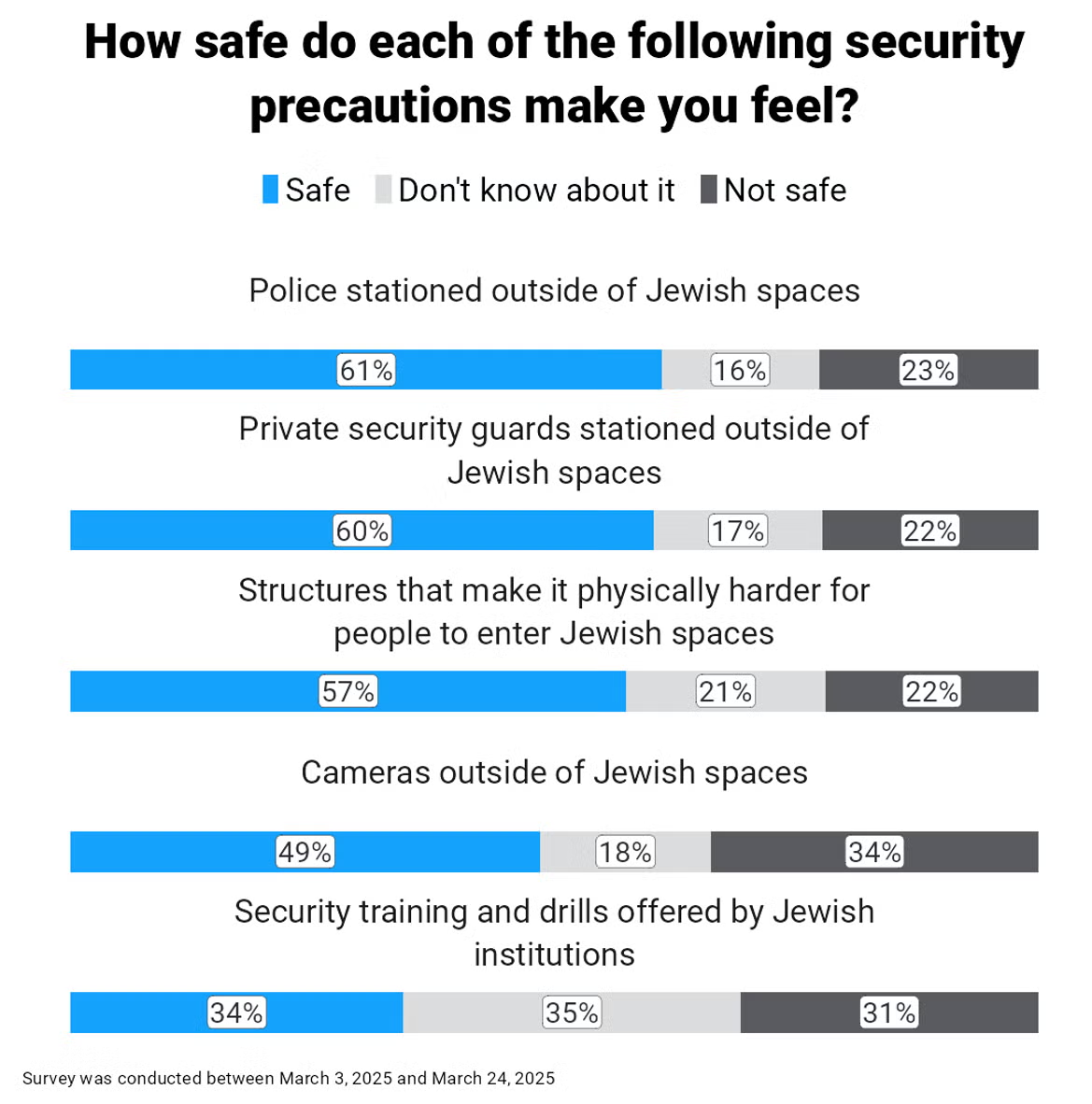
While most Jews are concerned about antisemitism and over half are worried about their personal safety, most feel secure in Jewish spaces. 70% of Jews still feel physically safe in local Jewish spaces, with no significant change occurring in the past year. Even individuals who have experienced direct harm or have been personally targeted are statistically just as likely as those who have not experienced these forms of antisemitism to feel safe in local Jewish institutions.
Despite feeling safe overall in Jewish institutions, only 47% of Jews feel that Jewish organizations are effectively providing safety and security for the local Jewish community, down 16 percentage points since last year. Just under two thirds of Jews say that security precautions taken by the Jewish community make them feel safer.
There are two indicators in the research of what increases a sense of safety: awareness and visitor security. Individuals with a greater awareness of security programs report feeling safer yet only 39% of Jews are aware of community security programs and protocols that protect Jewish communal institutions and spaces (down 15 points since last year). Only 46% of individuals say they know where to turn in the Jewish community if they or their family are a target of antisemitism (down 15 points since last year).
More visible precautions like police, security guards, structures making it more difficult to enter, and security cameras also create a sense of safety and are perceived as the most effective.
Appendices
Appendix A: Methodology
ADL Study
The study surveyed 2,982 Jewish-Americans between May 27th and July 6th, 2025, to obtain a sample representative of the Jewish American population that is registered to vote (17.7% aged 18-29, 25.1% aged 31-49, 19% aged 50-64, and 38.1% aged 65+ and 13.2% describe themselves as secular or not religiously Jewish).viii
Sampling Approach
The sampling frame was derived from a comprehensive voter file of all registered voters across the United States. Individuals were selected based on two key criteria: a "Jewish Modeling Score" of 0.4 or greater (a proprietary probabilistic measure indicating Jewish affiliation) and the presence of a verified cell phone number. This approach included both active and inactive registered voters.
The sampling universe was stratified into 12 geographic and age categories to ensure balanced representation. Geographic regions included the NYC Metro Area, the next six largest metro areas (Chicago, Los Angeles, Miami, Philadelphia, Boston, and Washington D.C.), the next 33 largest metro areas, and remaining geographic areas. Respondents in each region were further divided into three age strata: 18-29, 30-49, and 50+. Within each stratum, systematic sampling was employed, with sample sizes determined using Jewish population data from the 2015 American Jewish Population Study by Brandeis University.ix
Data Collection
The survey was conducted exclusively via MMS text messaging, with participants receiving a 20-minute survey invitation from the Center for Antisemitism Research in partnership with the Opinion Research Institute. To address typically lower response rates among younger demographics, 18-24-year-olds were oversampled with targeted incentives offered exclusively to this age group upon qualified completion.
Response Rates and Data Quality
The study achieved a 14% response rate (defined as individuals who initiated the survey divided by those who successfully received the recruitment message) and a 2% completion rate. The drop-off rate was 49%, which is comparable to studies of similar length, audience, and topic.
Data weighting
While several estimates put the Jewish population in the US at about 2%, a full picture of the composition of the Jewish population is lacking in specificity. The most comprehensive attempt so far to map the American Jewish population was undertaken by Pew in 2020. The Pew study was used to weigh our sample of Jewish voters based on age, education, denomination, political ideology, type of Jewish affiliation (religious, cultural etc.) and race. Weights were trimmed at 5, with 98% of the sample having a weight above .07 and below 4.99. 744 respondents have a weight below 0.3 and 223 have a weight above 3.
Data analyses
The survey results were analyzed using descriptive statistics, pairwise t-tests and ANOVAs to determine whether differences between groups were statistically significant.
Jewish Federations study
This study surveyed 1,877 Jewish-Americans between March 5th and March 25, 2025, to obtain a sample representative of the American Jewish population. All registered voters in the United States were eligible, with unweighted respondents being 55% men and age distribution as follows: 14.8% aged 18-34, 21.1% aged 35-54, 40.6% aged 55-74, and 23.7% aged 75 and older. Eighty-eight percent of respondents reported having at least a bachelor's degree, and 8% identify Judaism as their religion.
Sampling Approach
The sampling frame was derived from a comprehensive voter file of all registered voters across the United States with valid cell phone numbers. The sampling frame was stratified into 30 primary strata:
- Two different big data models predicting Jews were utilized to generate five groups based on the likelihood of a respondent being Jewish.
- A geographic analysis of Jews within 5 miles of every zip code was used to develop six geographic groups based on the size of the Jewish community to ensure representation from all sized communities.
An addition 12 oversample strata were developed focused on likely Jewish young adults (21-45) and financially vulnerable Jews.
Data Collection
The survey was conducted exclusively via MMS text messaging, with participants receiving a survey invitation from Opinion Research Institute. Upon screening into the survey as a Jew, individuals were told that they survey was being conducted on behalf of the Jewish Federations of North America. A $500 raffle ticket was offered as an incentive. Toward the end of data collection, individuals who screened in as Jewish but had not completed the survey were offered a guaranteed incentive which generated an addition 36 completions.
Response Rates and Data Quality
The study achieved a 14% response rate (defined as individuals who initiated the survey divided by those who successfully received the recruitment message) and a 3% completion rate. The drop-off rate was 56%, which is comparable to studies of similar length, audience, and topic.
Data weighting
The highest quality contemporary study of the American Jewish community was conducted by the Pew Research Centers in 2020. That study was used to post-stratify the results. Due to Jewish Federations of North America finding in 2024 that there was a surge in Jewish engagement following the October 7 terrorist attacks and rise of antisemitism in the US, measures of engagement that might be impacted by these changes (such as synagogue membership, service attendance, etc.) were excluded from weighting.
The Pew study was used to weigh Jewish respondents based on age (6 cat), gender (2 cat), race (2 cat), political ideology (5 cat), education (2 cat), Jewish by religion and Jewish not by religion, and denomination (5 cat).
Data analyses
The survey results were analyzed using descriptive statistics and regression models to determine whether differences between groups were statistically significant.
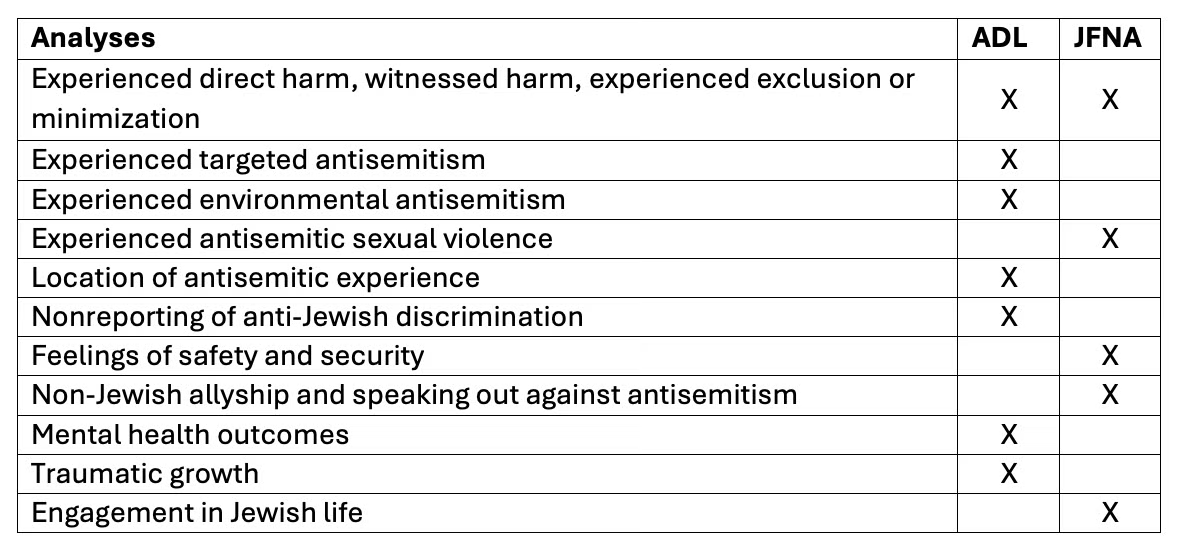
Crosswalk of analyses by organization
Appendix B: Additional Jewish Federations analyses
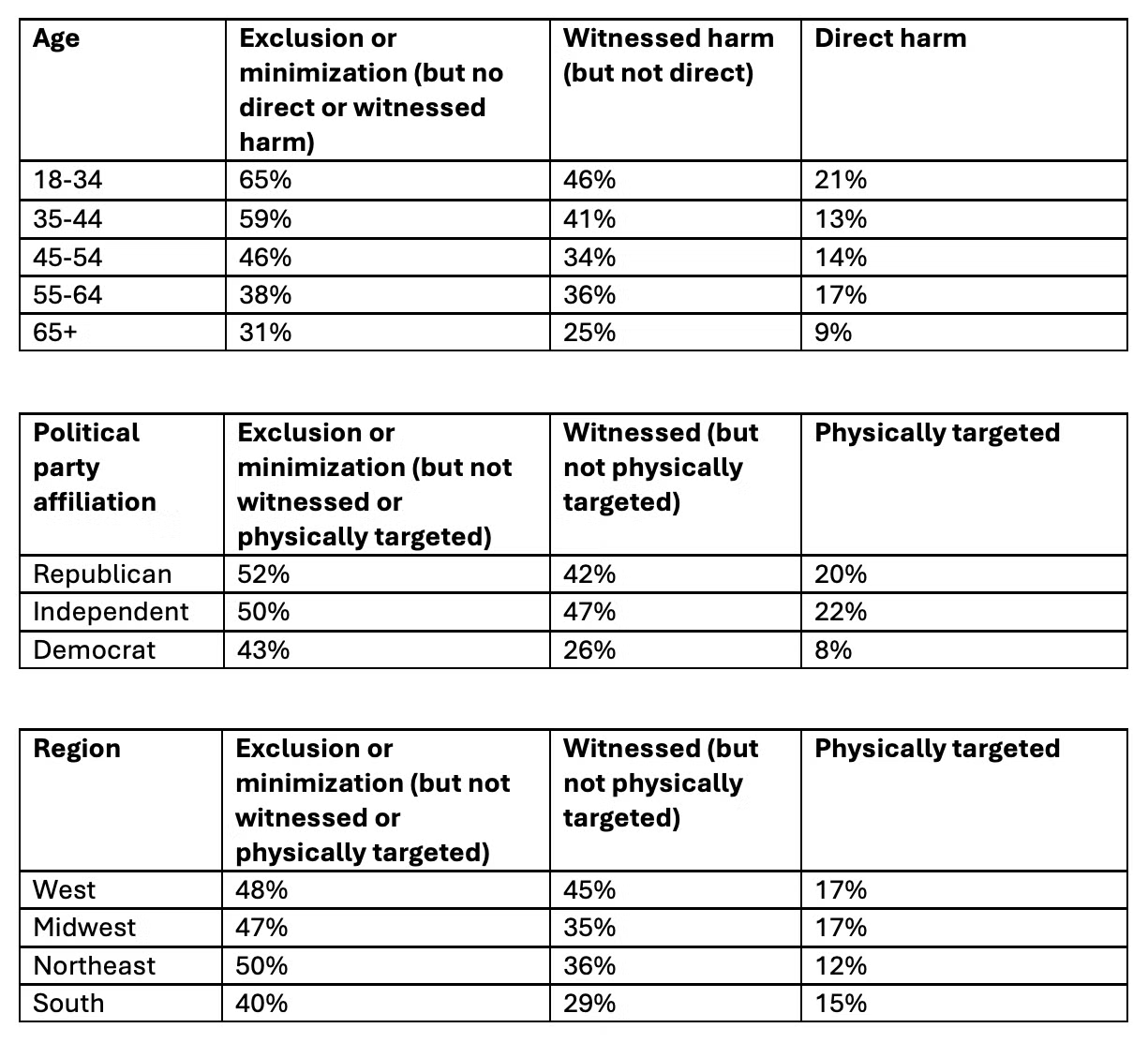
This section provides an overview of results on experiences with antisemitism from Jewish Federations. Jewish Federations and ADL researchers created a nearly identical measures for experiencing antisemitic assault, threats or harassment, and identical measures of witnessing an antisemitic act and experiencing exclusion or minimization.x ADL and Jewish Federations also created subgroup analyses on a commonly defined set of factors – age, region, and partisanship. Because ADL’s data is more recent and topline rates for each experience were very similar, Jewish Federations’ results are reported separately.
15% of Jews have been directly harmed by antisemitism (i.e., they have been physically threatened, physically attacked, or verbally harassed).
36% have witnessed harm (i.e., they have witnessed others being physically threatened or physically attacked, or they have observed direct incitements to violence against Jews). 23% have witnessed harm but not been personally targeted by it.
46% have experienced exclusion or minimization: words or actions that dismiss the experiential reality of their identity. 17% have experienced exclusion or minimization but no other type of antisemitism.
Younger Jews are more likely to have experienced any type of antisemitism compared to older Jews. Republicans and Independents are more likely to have experienced exclusion or minimizations compared to Democrats, while Independents are the most likely to have witnessed harm or directly experience harm.
Appendix C: Additional ADL analyses
Targeted antisemitism
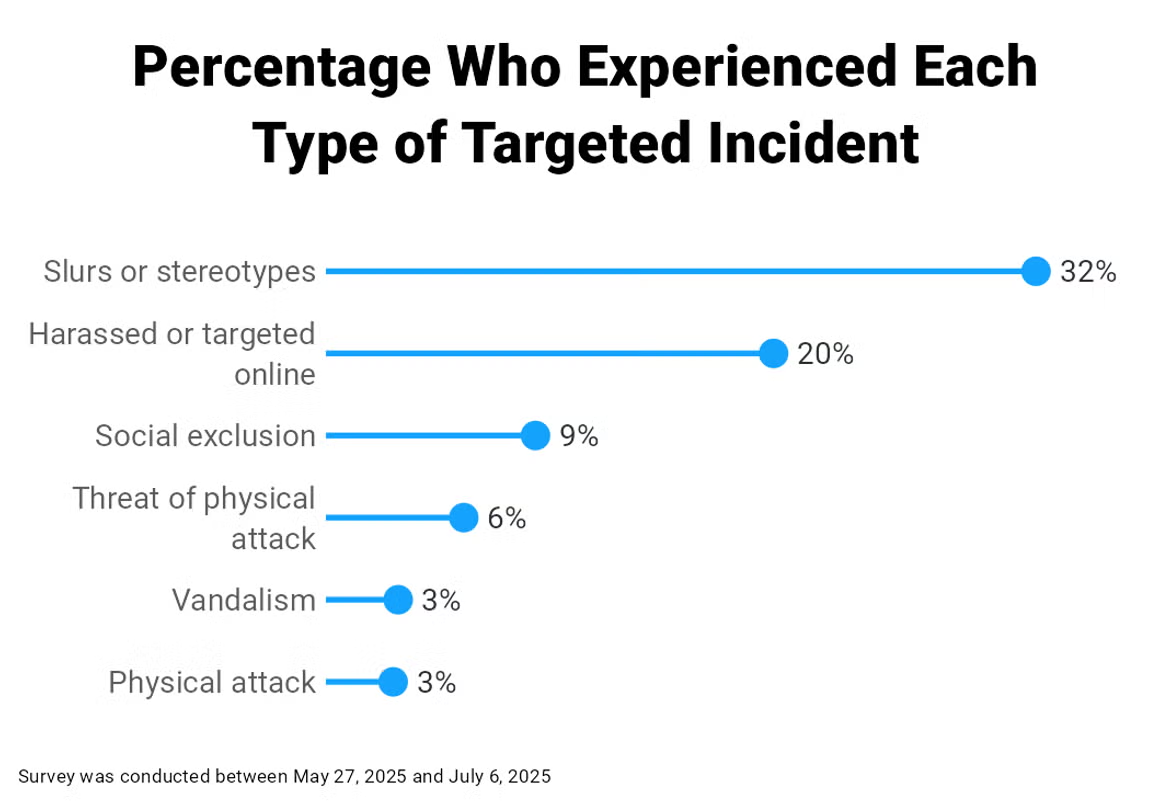
Researchers also created a broader measure of direct experiences with antisemitism that included measures related to the three actions reported earlier (assault, threats, harassment), as well as three additional types of antisemitic actions (social exclusion, vandalism, and online harassment).
In the past 12 months, 40% of ADL survey respondents experienced at least one incident involving of being physically attacked or having someone try to physically attack them, being threatened with violence, being excluded from a group, conversation, or activity, harassed in online spaces, having personal belongings vandalized, or being insulted, stereotyped or called an antisemitic slur because of their Jewish identity.
The survey items used to create the ADL targeted antisemitism measure were all based upon questions adapted from the National Crime Victimization Survey. Respondents were asked how many times in the last 12 months they had experienced each type of victimization. After each of these survey items, respondents who responded one or above were next asked whether that incident occurred because they were Jewish, with answers of one or above counting as having been a victim of targeted antisemitism.
Environmental antisemitism
In addition to the more direct forms of antisemitism examined above, environmental antisemitism was a near universal experience among the Jewish Americans. 60% of Jewish Americans surveyed experienced some form of in-person environmental antisemitism, defined as seeing antisemitic graffiti in public places and seeing or receiving antisemitic materials in the last year, while nearly nine in ten (88%) respondents reported seeing antisemitic symbols, gestures, or comments via social media, television, or other media.
Endnotes
[i] ADL and Jewish Federations both examined experiences with antisemitism, using nearly identical measures for direct harm (see appendix for additional detail) and identical measures for witnessing harm, exclusion and minimization using measures developed by Dr. Caryn Block and Yael Silverstein of Teachers College, Columbia University. Because ADL’s data is more recent and the results are very similar between samples, ADL’s data is reported in cases where the same analyses were performed by both organizations. A crosswalk of analyses by sample and Jewish Federations’ results for the analyses that overlap ADL’s can be found in the appendices.
[ii] Researchers also created a broader measure of direct experiences with antisemitism - targeted victimization - that included measures related to the three actions above, as well as three additional types of antisemitic actions (social exclusion, vandalism, and online harassment). 40% of respondents experienced targeted victimization within the last 12 months. See the appendix for additional detail.
[iii] The survey questions used by ADL and Jewish Federations did not ask readers to specify whether or not they witnessed these actions in person.
[iv] Respondents were asked about the location of any antisemitic experience they had in the past year, not just the instances of direct harm, witnessed harm, exclusion or minimization discussed earlier.
[v] Respondents were asked whether they reported experiences of anti-Jewish discrimination to various organizations. They were not asked about the nature of these incidents, nor were they asked about whether they reported any specific incidents discussed earlier (direct harm, witnessed harm, exclusion or minimization) to any organization.
[vi] Researchers asked survey respondents about a wide variety of antisemitic actions. However, those actions do not cover the full spectrum of ways American Jews may experience antisemitism. Therefore, readers should take care not to conflate not experiencing any of the forms of antisemitism measured for this report with not experiencing any form of antisemitism over the past 12 months.
[vii] This question did not specifically ask respondents to connect post-traumatic growth to any specific antisemitic act they may have experienced or witnessed.
[viii]https://www.pewresearch.org/religion/2021/05/11/jewish-americans-in-2020/
[ix]https://ajpp.brandeis.edu/documents/2015/JewishPopulationDataBrief2015.pdf
[x] ADL and Jewish Federations used identical measures for physical threat and verbal harassment (“I have experienced <action> because of my Jewish identity”), with responses of “occasionally”, “moderate”, or “a great deal” being counted as having experienced that form of antisemitism. For physical attack, ADL used a separate measure adapted from the National Crime Victimization Survey that asked respondents for the number of times they were physically attacked, with a follow-up question about the number of times those attacks were because of their Jewish identity. Jewish Federations used a question on physical attack worded similar to the other measures for direct experience with antisemitism.