





(Stephanie Keith/Getty Images)
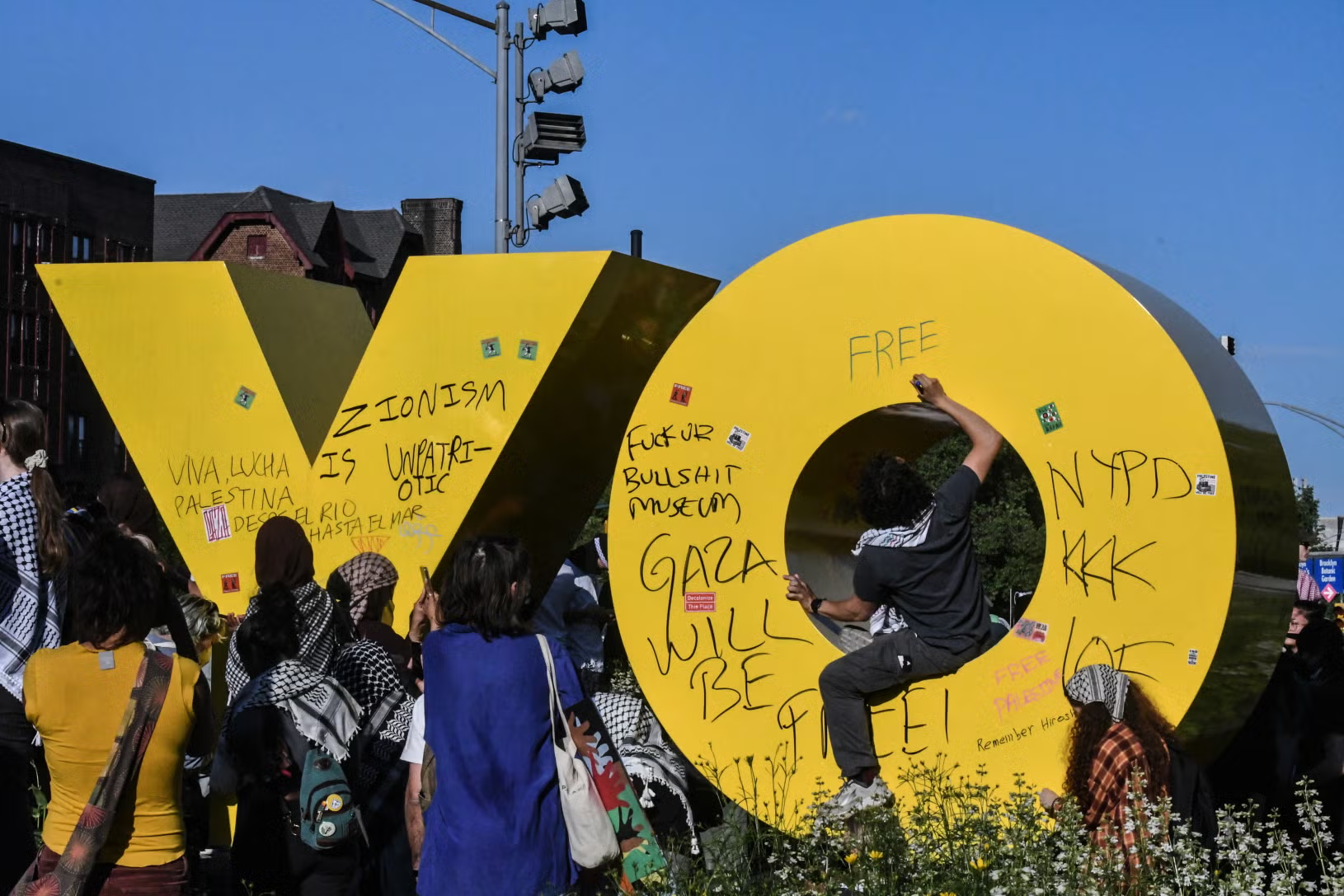
Demonstrators vandalize an outdoor statue at the Brooklyn Museum on May 31, 2024, in New York City.

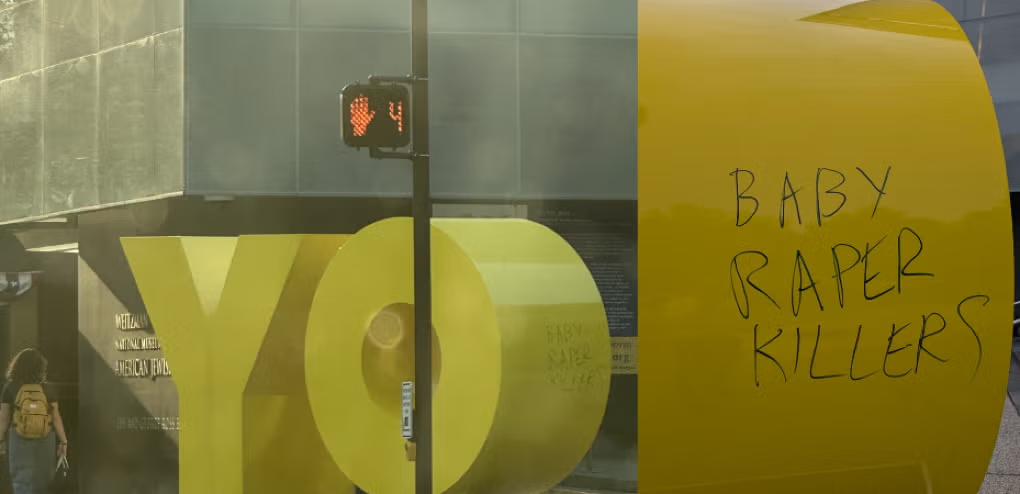
Vandals scrawled "Baby Raper Killers" on the Weitzman National Museum of American Jewish History in Philadelphia, Pennsylvania, on August 13, marking the third time in one year the museum was targeted with antisemitic or anti-Israel graffiti.
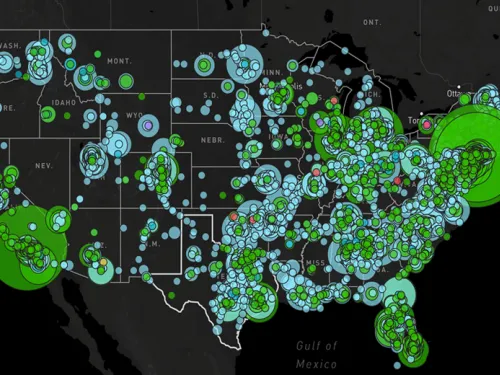
These instances are representative of a troubling and worsening nationwide trend. Incidents of antisemitic harassment, vandalism, threats, offensive literature distribution and protest directed at museums and their leaders, both in person and online, more than doubled across the U.S. in the nearly three years since the Hamas-led terrorist attack of October 7, 2023. ADL recorded 47 such incidents from October 2020 through September 2023 and 120 from October 7, 2023, through September 15, 2026.
(Courtesy)
Graffiti at the Weitzman National Museum of American Jewish History in Philadelphia reads, “Baby Raper Killers.”
For decades, anti-Zionist activists have placed financial pressure on institutions and individuals with direct ties to the Israeli government. Since October 7, however, protesters have increasingly harassed, disrupted and vandalized Jewish communal organizations, cultural events and Jewish individuals who condemn Hamas, receive funding from “Zionists” or have even tenuous ties to Israel. This trend was punctuated by Elias Rodriguez's alleged murder of Yaron Lischinsky and Sarah Milgrim at the Capital Jewish Museum in Washington, D.C., in May 2025.
While protesters claim they are targeting ties to Israel and Zionists, not Jews, the antisemitic impact is clear: Jewish museums and artists face isolation, demonization, and career obstacles.
While boycotts and blacklists of Israel-linked institutions, often inspired by the Boycott, Divestment and Sanctions (BDS) movement, have circulated for decades, these lists have emerged at higher frequencies since October 7 with broader criteria for inclusion. Some blacklists urge thousands of online followers to protest individuals and institutions for condemning terror and expressing concern for rising antisemitism.
This escalation is in part driven by an extreme form of “anti-normalization," a component of the BDS Movement that activists have adopted as a justification to ostracize any “Zionist” individual or institution, a term referring to the belief, held by the vast majority of Jews worldwide, in the Jewish people's right to self-determination and statehood.
In February 2025, Writers Against the War on Gaza (WAWOG) and others released a spreadsheet calling for a boycott of “NYC Cultural Institutions” that expressed concern over antisemitism and received funding from “Zionists.” In May 2024, activists crowdsourced an online list of “Zionist” authors to boycott, condemning them for travel to Israel and associations with Jewish organizations.
More recently, Jewish playwright Jonathan Spector’s show Birthright, which explores the American Jewish experience post-October 7, was threatened with a boycott in July 2026 by Theater Workers for a Ceasefire, which criticized Birthright for engaging in “normalization.” Organizers also condemned the play for being commissioned under an initiative funded partly by Jewish donors seeking to amplify Jewish narratives amid rising antisemitism. These efforts serve to silence and invalidate the lived experiences of American Jews.
Incidents involving Holocaust museums nearly doubled in the nearly three years after October 7, 2023, compared to the same timeframe before the terror attacks, rising from 30 to 57. Anti-Israel activists have protested Jewish and Holocaust museums for maximum public exposure, with some imitating concentration camp survivors and badgering attendees, trends that have only substantively emerged since October 7. Such displays minimize the Holocaust and make inaccurate comparisons between Israel and Nazi Germany, re-victimizing Jews by equating them with their own oppressors.
In July 2026, anti-Israel activists protested outside the entrance of the U.S. Holocaust Memorial Museum in Washington, D.C., wrapping themselves in wire fencing resembling a concentration camp. CODEPINK leader Medea Benjamin similarly trivialized the Holocaust in May 2025 at a protest at the same museum, wearing striped pajamas resembling those worn by Nazi concentration camp prisoners.
The targeting of Holocaust museums has been paired with vandalism that contributes to a sense of vulnerability in Jewish communities. For example, a perpetrator wrote “F--k Israel” and drew a Star of David on a trash can outside the New England Holocaust Memorial in Boston, Massachusetts, in December 2025. In June 2024, vandals in Seattle, Washington, wrote "Genocide in Gaza" over a photograph of a deceased child Holocaust survivor in the front window of the Holocaust Center for Humanity.
Palestine News Network (PNN) has emerged as the main U.S. group dedicated to aggressive anti-Zionist harassment since October 7. A member of PNN harassed mourners outside a Holocaust and October 7 hostage commemoration event at the Simon Wiesenthal Holocaust Museum in Los Angeles in March 2026 by asking attendees’ stance on the “Palestinian Holocaust” and making denigrating remarks about their bodies when they refused to answer. In November 2024, PNN members accosted a survivor of the Nova festival massacre outside the Museum of Tolerance in Los Angeles, questioning whether the survivor had actually been shot at the festival.
Activists have also protested installations commemorating October 7 victims in another attempt to gain maximum exposure. As with protests outside Holocaust museums, these demonstrations weaponize Jewish collective memory, deepening the trauma of the deadliest day for Jews since the Holocaust. Such activity, targeting commemorations and exhibitions dedicated to remembering the victims of terror attacks, has metastasized since October 2023.
Protesters in multiple cities have targeted the traveling Nova Exhibit, commemorating the nearly 400 people massacred by Hamas at the Nova music festival. During its stop in New York City in February 2024, protesters led by Within Our Lifetime (WOL) celebrated Hamas’s attack, waved flags of U.S.-designated terror organizations, and displayed a sign reading, "Zionists are not Jews and not humans,” outside the exhibit. WOL justified the protest by claiming that the festival “was a rave next to a concentration camp.”
That same month, protesters distributed leaflets at the Jewish Museum in New York City in response to a display featuring drawings by Israeli artist Zoya Cherkassky reflecting on October 7. Text on the leaflets included: "The Jewish Museum propagates the Zionist tropes and IOF propaganda upon which the current genocide of Palestinians hinges,” playing into the antisemitic dual loyalty trope by blaming an American Jewish institution for the policies of a foreign government.
Anti-Israel protesters have disrupted and shut down shows by Jewish artists more frequently since October 7, often through coordinated campaigns.
Audience members interrupted Regina Spektor’s concert in July 2025 at Revolution Hall in Portland, Oregon, shouting, “Free Palestine,” with at least one protester reportedly approaching the stage before being removed by security. A book festival in Albany, New York, canceled a panel featuring Jewish author Elisa Albert in September 2024 after two other authors refused to share the panel with Albert, due to her “Zionist” beliefs.
In some cases, venues themselves capitulate to outside pressure. A Santa Fe, New Mexico, music hall canceled the concert of American Jewish singer Matisyahu in February 2024 after overwhelming phone calls and social media posts from local anti-Israel groups, setting a dangerous precedent in allowing outside activists to dictate access to culture.
Similarly, the Fine Arts Theatre in Beverly Hills, California, canceled Israeli comedian Guy Hochman's show in January 2026 after he was asked to make affirmative public statements denouncing the "genocide, rape, starvation, and torture of Palestinians."
Anti-Israel activists have targeted several major non-Jewish museums whose board members or other leaders have ties to Israel by disrupting museum operations and engaging in vandalism, phenomena that were rare before October 7. These actions can threaten the security of museum officials and visitors and perpetuate fear and intimidation among the Jewish community.
In July 2026, an anti-Israel artist covered two display screens at the Whitney Museum of American Art in New York City with vandalism accusing Israel of various crimes.
The Museum of Modern Art in New York City was forced to close early in February 2024 after hundreds of demonstrators occupied its atrium and distributed pamphlets condemning “Zionist” board members for affiliations with various organizations, including the Jewish National Fund and the World Jewish Congress.
During a similar attempt in May 2024, WOL led dozens of individuals in overwhelming security to force their way into the Brooklyn Museum while hundreds cheered outside. Protesters used spray-paint and markers to write messages like “Intifada” and “Zionism: your day is coming” on museum windows and installations.
The following month, the homes of Anne Pasternak, the Jewish director of the Brooklyn Museum, and multiple members of the museum’s board were vandalized with red paint and inverted red triangles — symbols that are often used to indicate a Hamas target.
The targeting of cultural institutions, museums, and Jewish artists with antisemitic messaging, often presented as “just anti-Zionism," has moved from the margins to the mainstream. The result is a chilling effect on Jewish cultural life, forcing museums into heightened security and artists into silence or exile from their own work. This reality exposes a troubling environment of normalization and institutionalization of antisemitism where discrimination and erasure of Jewish and Israeli artists has become permissible.
This article is part of State of the Arts, a broader body of work released by ADL on the systemic exclusion of Jewish and Israeli artists. Learn more about this landscape and how 40 leading museums nationally are treating these artists and how they rank in Jewish representation and their approach to antisemitism.