






Best Practices for Combating Antisemitism for State Lawmakers
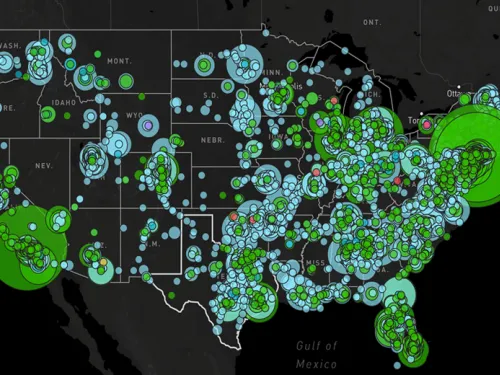
ADL has been closely tracking how states are addressing antisemitism and supporting their Jewish communities. In 2024, ADL tabulated 9,354 antisemitic incidents across the United States – a 5% increase from 2023, a 344% increase over the past five years, and an 893% increase over the past decade. These numbers underscore the urgent need for state-level action.
As highlighted in our first-of-its-kind Jewish Policy Index (JPI), our goal is to provide a tool that advocates, educators and policymakers can use to encourage states to adopt policies and practices that promote both safety and inclusivity, and combat antisemitism. It can also be used to learn more about what is considered best practice and how different states have worked to address these critical issues.
Below is an overview of these best practices, including specific examples, to most effectively counter rising antisemitism and extremism. The inclusion of these examples is not necessarily an endorsement of the specific legislative language of these statutes.
Prioritize Combating Antisemitism
Develop a State Strategy to Combat Antisemitism
ADL urges every state to develop and implement a comprehensive, cross-sector strategy to combat antisemitism. Such strategies should encompass education, law enforcement training, community engagement, policy reform, online platforms and other key areas and sectors. A coordinated, statewide approach ensures that responses are data-driven and proactive, not just reactive, and that efforts are sustained across different sectors and administrations.
- California's Golden State Plan to Counter Antisemitism: Launched in April 2024, this plan outlines four key strategies: supporting and protecting Jewish communities; addressing and preventing antisemitism and all hate and violence; uplifting Jewish heritage and building mutual understanding; and advancing equity and countering discrimination. Notable actions include doubling state funding to $40 million for security grants to protect religious institutions and investing $150 million in the "Stop the Hate" program to support hate crime prevention and victim services.
- New York State's Comprehensive Action to Combat Antisemitism: Announced in September 2023, New York's initiative includes the creation of the Center for Educational Civil Discourse to combat hate, and to create a safer, inclusive, and equitable climate for all New York students. The plan also involves improving hate and bias incident data collection, expanding support for victims of antisemitism, and launching a campaign to recognize the unique issues surrounding Jewish Americans’ mental health.
- Virginia Commission to Combat Antisemitism: The commission – Virginia's version of a state strategy – was established in 2022 by Governor Glenn Youngkin through Executive Order 8 and has since issued several key recommendations to combat antisemitism that have been adopted by the state, including measures to better align its hate crime laws with the IHRA Working Definition of Antisemitism.
Create a Statewide Task Force or Commission to Combat Antisemitism
ADL believes that each state should establish a statewide task force or commission focused on combatting antisemitism as a critical step in addressing the alarming rise in antisemitic incidents across the country. These task forces and commissions should bring together a diverse group of stakeholders – including state and local government officials, law enforcement, educators, civil rights leaders and representatives from the Jewish community – to coordinate a comprehensive, state-specific response. Their purpose should be to track trends in incidents, identify key challenges, share data and best practices, recommend actionable policy solutions and promote initiatives that foster inclusion and counter hate. By institutionalizing cross-sector collaboration, these task forces and commissions can ensure that efforts to combat antisemitism are sustained, strategic and tailored to the unique needs of each state.
The task forces and commissions must operate with transparency and accountability to earn public trust and drive meaningful change. Their membership should be publicly announced, reflecting a diverse and credible coalition. Each task force should be given a clear mission, a defined reporting timeline, and an explicit mandate detailing to whom it reports – such as the governor, state lawmakers, or attorney general. To ensure impact, all recommendations and reports should be made publicly available, along with a clear process for how those recommendations will be reviewed and acted upon.
- Virginia Antisemitism Task Force: In February 2023, Attorney General Miyares created an Antisemitism Task Force in response to a recommendation of the Virginia Governor's Commission to Combat Antisemitism report issued in December 2022. The Task Force's mission centers around four strategies: monitoring, information-gathering, educating, and investigating instances of Antisemitism in Virginia. The 10-member task force includes lawmakers, representatives from the Jewish community and Jewish non-profits, and educators.
- Kentucky Antisemitism Task Force: In December 2023, the Kentucky Antisemitism Task Force was created by Gov. Andy Beshear's Executive Order 2023-007 to identify and acknowledge the growing threat of antisemitism in the state. The 20-member task force, which includes lawmakers, law enforcement, and members of the Jewish community, among others, has conducted meetings on a range of topics, including training law enforcement on addressing antisemitism, Holocaust education, promoting security for places of worship and community spaces, and addressing antisemitism and discrimination on college campuses.
- Massachusetts Special Commission on Combating Antisemitism: In 2024, Massachusetts established (through Session Law (Acts 2024) Ch. 140) a special commission to report on trends and data relating to antisemitism, identify best practices from other states to combat antisemitism, and make recommendations to address antisemitism in the Commonwealth.
- The task force is appointed and run by the state legislature.
- The task force has held meetings across the state focused on antisemitism in K-12 education, online, and in local communities.
- The task force includes lawmakers, civil rights experts, educators, and members of Jewish communal organizations, among others.
Adopt the IHRA Working Definition of Antisemitism
ADL believes each state should formally adopt the International Holocaust Remembrance Alliance (IHRA) Working Definition of Antisemitism, including its eleven examples, as part of a comprehensive strategy to identify, address, and prevent antisemitic incidents and rhetoric. The IHRA Working Definition is a globally recognized tool that outlines the many contemporary manifestations of antisemitism, including when it is expressed as anti-Zionism. The IHRA Working Definition is used by more than 40 countries, more than 35 U.S. states, and both Democratic and Republican Administrations, in addition to hundreds of organizations. Adoption of this definition provides clarity and consistency for educational institutions, law enforcement, and state agencies, helping ensure that antisemitic conduct is recognized and addressed across settings. The IHRA Working Definition does not prohibit criticism of Israel or undermine principles of free speech. Rather, it serves as a vital guidepost for distinguishing between legitimate political expression and hate-fueled targeting of Jewish individuals or institutions.
- Georgia: In January 2024, Georgia Governor Brian Kemp signed a law codifying the IHRA Working Definition of Antisemitism in state law, proclaiming support for the state Jewish community. The law requires “state agencies and departments to consider the definition when determining whether an alleged act was motivated by discriminatory antisemitic intent."
- New Hampshire: In May 2024, the New Hampshire legislature passed a bill codifying the IHRA Working Definition of Antisemitism in state law to ensure fair and equal application of New Hampshire’s antidiscrimination laws to the state’s Jewish community. The law requires “the relevant authorities charged with enforcing the relevant anti-discrimination statutes [to] take into consideration the definition of antisemitism as part of the assessment of whether...alleged unlawful conduct or practice was motivated by antisemitic intent.”
- North Carolina: In June 2024, the General Assembly of North Carolina passed the “Shalom Act,” a bill that adopted the IHRA Working Definition of Antisemitism into state law as a tool and guide for training, education, recognizing, and combating antisemitic hate crimes or discrimination and for tracking and reporting antisemitic incidents in North Carolina. On July 1, 2024, Governor Cooper signed the bill noting, “Defining antisemitism is important to stopping it, and this new law helps do that as antisemitic incidents are on the rise. While we protect the right to free speech, this legislation helps to make our state a more welcoming, inclusive and safe place for everyone.”
Pass Anti-BDS Legislation
ADL believes each state should pass legislation opposing discriminatory boycotts of and divestment from Israel – promoted via the Boycott, Divestment and Sanctions (BDS) movement – to ensure that state funds and contracts are not used to support or legitimize economic discrimination rooted in antisemitic intent. While individuals and organizations retain their First Amendment rights, the state also has the right to determine how its own resources are used. Anti-BDS legislation helps reinforce that state funds should not aid efforts that contribute to the marginalization or isolation of Jewish communities.
Calls for BDS are becoming particularly common on college campuses and within university-affiliated institutions. These campaigns often target Jewish students and faculty, foster hostile environments, and contribute to the broader normalization of antisemitism under the guise of political protest. Anti-BDS legislation sends a strong message that such discriminatory efforts have no place in state-funded institutions. These laws uphold principles of nondiscrimination and ensure that taxpayer dollars do not fund or legitimize discriminatory boycotts that single out the Jewish state and, by extension, Jewish communities.
Anti-boycott laws designed to counter aspects of the BDS movement often seek to prohibit government entities – such as state agencies or instrumentalities, including state pension plans – from doing business with or investing in companies that boycott Israel. These laws typically take one of two forms: pension bills and contract bills. Pension bills require state investment vehicles, such as public pension funds, to divest holdings in entities that engage in BDS activity against Israel. Contract bills limit the state’s ability to contract with businesses that engage in discriminatory activity, including boycotts based on race, religion, or nationality.
- States should have anti-BDS laws that cover both prohibitions on state investment vehicles, such as pensions, from investing holdings in entities that engage in BDS activity against Israel and prohibitions on the state’s ability to contract with businesses that engage in discriminatory boycotts against Israel.
- Anti-BDS legislation should include only apply to contracts exceeding $100,000 and apply to companies with at least 10 employees. Sole proprietorship should be excluded.
- A boycott action against Israel should be defined as refusing to deal, terminating business activities, or limiting commercial relations with the State of Israel in a manner that is discriminatory on the basis of nationality, national origin, or religion and not based on a valid business reason. For these purposes, the State of Israel should be defined as companies or individuals doing business in or with the State of Israel, or companies authorized by, licensed by, or organized under the laws of the State of Israel to do business.
Introduce a Mezuzah Bill
Legislation protecting the right to display religious symbols, such as mezuzahs, on residential entryways is also important. For observant Jews, affixing a mezuzah to the doorpost is a sacred obligation, not a decorative choice. However, neutral-seeming housing rules – like those imposed by landlords or homeowners’ associations – have, in some cases, prohibited residents from fulfilling this religious duty.
These laws ensure that individuals are not subjected to discriminatory restrictions that infringe upon their religious practices. They affirm the principle that religious expression should be protected, allowing residents to observe their faith traditions without fear of penalty or eviction. Such protections are vital in fostering an inclusive society where diversity of belief is respected and upheld.
- California's "Mezuzah Bill" (Senate Bill 652): Enacted in 2019, this bill prohibits landlords and homeowners' associations from enforcing rules that prevent residents from placing religious items, such as mezuzahs, on their entry doors or doorframes. The bill was signed into law by Governor Gavin Newsom, ensuring that residents can practice their faith without facing discriminatory housing policies.
- Nevada (SB 201): Enacted in 2025, this bipartisan bill prohibits homeowners' associations and landlords from banning or restricting the display of religious items, such as mezuzahs, on doorways. It affirms that everyone has the right to express their faith freely where they live.
Educate about the Jewish Experience
Pass Legislation Requiring Holocaust Education in Schools
ADL believes every state should mandate Holocaust education in K–12 public schools and provide funding to support educators in delivering high-quality instruction. With antisemitism, Holocaust denial, and distortion growing across society, formal education about the Holocaust is vital to building historical understanding and moral awareness in future generations.
ADL’s Center for Antisemitism Research (CAR) has also found that Holocaust education can be a powerful tool in countering antisemitic beliefs. In the research, respondents who indicated their school taught specifically about the Holocaust endorsed the fewest anti-Jewish statements. These findings highlight the critical role of accurate historical knowledge in reducing prejudice and combating antisemitism.
Requiring Holocaust education ensures students learn about the consequences of unchecked hate and the importance of standing up against injustice. In parallel, states should offer grant programs to support teacher training, curriculum development, and access to instructional materials - ensuring educators are well-prepared to teach this complex and essential history.
- North Carolina: In 2021, North Carolina enacted the Gizella Abramson Holocaust Education Act, requiring Holocaust and genocide education to be integrated into middle and high school curricula. The law requires the State Board of Education to collaborate with key institutions to incorporate this content into English, social studies, and other relevant courses, and to develop an elective Holocaust Studies course. The Department of Public Instruction is tasked with ensuring appropriate curriculum materials and professional development are provided to teachers. Local school boards must support this implementation, with assistance from the North Carolina Council on the Holocaust and the North Carolina Center for the Advancement of Teaching. All resources must align with definitions from the federal Never Again Education Act, including terms like antisemitism, Holocaust, and Holocaust denial and distortion.
- Oregon: Oregon's ORS 329.494 mandates that all public school districts provide instruction on the Holocaust and genocide. This education aims to prepare students to confront the immorality of such events, reflect on their causes, and understand the importance of protecting international human rights. The curriculum is designed to promote respect for cultural diversity, analyze human behaviors in historical contexts, and preserve the memories and cultural legacies of genocide survivors. Additionally, it encourages students to examine the history of discrimination in Oregon and explore mechanisms of transitional and restorative justice. The Oregon Department of Education is tasked with providing technical assistance to school districts to implement this instruction effectively.
Establish a Holocaust Education Commission or Task Force
Establishing a Holocaust education commission or task force to guide, monitor, evaluate, and strengthen Holocaust instruction across the education system is also important. Such bodies provide a dedicated structure for assessing existing practices, advising on curriculum and pedagogy, and promoting partnerships with museums, archives, survivors and educational institutions. They can identify gaps in access or understanding and make recommendations to state agencies on how to improve the reach, quality and impact of Holocaust education. These commissions help institutionalize Holocaust education as a public priority, ensuring sustained attention, oversight and cross-sector collaboration.
- New Jersey: Established in 1991, The New Jersey Commission on Holocaust Education is dedicated to promoting Holocaust and genocide education across the state. Its mission includes regularly surveying the status of such education, designing and encouraging its implementation, and providing statewide programs to raise awareness. The Commission also coordinates events to ensure the Holocaust is appropriately memorialized throughout New Jersey. It offers guidance and support to both public and private schools, helping integrate Holocaust and genocide studies into curricula. Additionally, the Commission collaborates with local school officials and community organizations to strengthen educational efforts and public understanding.
- Ohio: In 2020, Ohio established the Holocaust and Genocide Memorial and Education Commission to enhance statewide education and remembrance initiatives. The Commission is tasked with gathering and disseminating information, assessing and addressing program gaps, and promoting the stories of survivors, liberators, and rescuers for educational use. It works with public and private partners - such as museums and historical societies - to raise awareness and strengthen educational programming. The Commission also advises state leaders on related policy priorities and helps ensure schools are equipped to teach the Holocaust and genocide effectively. Additionally, it reviews and approves grants and annual reports to support its mission and maintain accountability.
Take Legislative or Executive Action to Address Antisemitism on College and University Campuses and in K-12 Schools
ADL believes every state should take clear, proactive steps to address antisemitism in K-12 schools and on college and university campuses through legislative and executive action. According to ADL’s annual Audit of Antisemitic Incidents, antisemitic incidents on college and university campuses rose more steeply than those in any other location in 2024. In 2024, ADL recorded 1,694 antisemitic incidents on college campuses, which is 84% higher than in 2023. Antisemitism in K-12 schools also has become a pressing national concern, with 1,162 antisemitic incidents recorded in 2023 and 860 antisemitic incidents recorded in 2024 in K-12 schools, according to ADL’s annual Audit of Antisemitic Incidents. Since 2020, incidents at K-12 schools have spiked by an alarming 434%.
To counter this rise in antisemitic incidents, state actions should include passing resolutions, executive orders and legislation that ensure that all K-12 schools and public colleges and universities define and condemn antisemitism, develop or strengthen policies and procedures for reporting, investigating, addressing and tracking reports and complaints of antisemitism, and designate Title VI coordinators responsible for addressing discrimination, including discrimination and harassment based on national origin or shared ancestry. States should also ensure that their non-discrimination laws cover educational settings and explicitly include protections based on religion and shared ancestry.
Importantly, states must also establish procedures for assessing compliance of K-12 schools and public universities with non-discrimination and anti-harassment laws (e.g., audits, legislative hearings, compliance reviews) and taking corrective action against K-12 schools and public universities that fail to address antisemitic harassment in compliance with state and federal laws to ensure that institutions uphold their legal and moral obligations to protect all students. Clear accountability measures and robust civil rights enforcement are critical to upholding student safety and dignity in education.
- Pennsylvania: In July 2024, the Pennsylvania Senate Education Committee held a public hearing on combatting antisemitism in higher education, featuring testimony from students at the University of Pennsylvania, Pennsylvania State University, and the University of Pittsburgh, as well as Hillel and ADL representatives. Jewish students described rising hostility on campus, a sense of isolation, and a lack of adequate institutional response in the wake of the October 7 Hamas attacks on Israel. The hearing was a critical step in shining a light on the growing demand for stronger protections and accountability to ensure the safety and inclusion of Jewish members of campus communities in Pennsylvania.
- Virginia: Between 2022 and 2025, Virginia enacted a series of executive and legislative actions to combat antisemitism in education. Executive Order 8, signed in January 2022, established a Commission to Combat Antisemitism, including a mandate to assist public schools and state higher education institutions in relation to antisemitism. Executive Directive 6, issued in October 2023, directed the Secretary of Education to promote the safety of Jewish and Muslim students, requiring public colleges to create safety plans and include antisemitism in campus safety audits. Most recently, Executive Order 48, signed in May 2025, mandated that Virginia’s Department of Education and State Council of Higher Education incorporate the IHRA definition of antisemitism and relevant non-discrimination standards into student conduct codes, treat antisemitism like any other form of discrimination, and provide curricular resources on Judaism, Jewish history, and the Holocaust. It also calls for a statewide reporting and tracking system for antisemitic incidents to be developed by September 1, 2025.
- Oklahoma: In May 2025, Oklahoma Governor Kevin Stitt signed SB 942 into law, mandating that the State Department of Education and the Oklahoma State Regents for Higher Education each designate a Title VI coordinator to monitor and investigate complaints of antisemitic discrimination in public K-12 schools and higher education institutions. These coordinators are responsible for establishing formal reporting processes, thoroughly investigating complaints, and, if institutions fail to address issues within 30 days, reporting non-compliance to the U.S. Departments of Education and Justice. The coordinators are also required to report yearly to the legislature on antisemitism in K-12 public schools and higher education institutions, and the legislature is encouraged to conduct hearings and investigations on whether antisemitism is being adequately addressed. The law requires educational institutions to integrate the International Holocaust Remembrance Alliance (IHRA) definition of antisemitism into their codes of conduct.
- Arkansas: Signed into law on April 18, 2025, as Act 721, SB 352 mandates stronger enforcement of Title VI protections in education. The law requires the State Department of Education (DOE) to designate a Title VI Coordinator responsible for monitoring discrimination complaints. Educational institutions must establish formal reporting procedures and report all Title VI-related complaints to this coordinator. If non-compliance is identified, the coordinator must refer the matter to the Attorney General, DOE leadership, or the U.S. Department of Justice. An annual report summarizing complaints and enforcement actions must also be submitted to the state legislature.
- California: In 2024, California enacted Assembly Bill 2925, which provides that California’s post-secondary educational institutions have an affirmative obligation to combat discrimination on the basis of protected characteristics, including religion, and a responsibility to provide equal educational opportunity. The bill defines “discrimination on the basis of religion” to include, but not be limited to, antisemitism and Islamophobia. This bill requires California colleges receiving state funding to include training on discrimination against the five most targeted groups in the state.
Creating Religious Absence Protection in Schools
ADL believes states should explicitly prohibit public schools from penalizing students for observing religious holidays, including through denial of attendance awards or other recognition.
Students should not be punished or excluded from honors because they choose to observe a day of religious significance. State laws should make clear that absences for religious holidays are excused and may not be used as grounds for withholding perfect attendance certificates, awards, or incentives. Such protections are essential to upholding religious freedom, affirming the legitimacy of minority faith practices, and promoting an equitable educational environment for students of all backgrounds.
Nevada: Nevada’s AB 264 prohibits “a pupil in a public school from being deprived of any award that is based on perfect attendance or any eligibility or opportunity to compete for such an award because of an approved absence from school for the observance of a religious holiday.”
Protect Jewish Communities
Fund a State Nonprofit Security Grant Program
ADL believes each state should fund a robust Nonprofit Security Grant Program (NSGP) to help protect houses of worship, schools, community centers and other non-profits that are at risk of hate-motivated attacks.
Jewish institutions remain top targets for hate crimes, and many lack the resources to implement necessary security upgrades. State grant programs are critical as they can provide the budget to fund security personnel and support the purchase of surveillance equipment, security training, reinforced entry points, and other measures - allowing vulnerable communities to practice their faith and gather safely without fear. These programs should be transparent, accessible, and responsive to the changing threat landscape.
Such state programs should also allow participation from organizations that have recently received federal NSGP grants.
- Colorado: Established by HB22-1077 in 2022, Colorado's Nonprofit Security Grant Program provides financial assistance to nonprofit organizations at high risk of terrorist attacks that applied for but did not receive federal NSGP funding. Administered by the Division of Homeland Security and Emergency Management, the program offers grants up to $50,000 for security enhancements, including equipment installation, planning, training, and contracted security personnel. The state appropriated $1.5 million annually to support this initiative.
- Arizona: The Arizona Nonprofit Security Grant Program (AZ-NSGP), administered by the Arizona Department of Homeland Security, offers up to $100,000 per applicant annually to nonprofit organizations at high risk of terrorist attacks or hate crimes. Eligible nonprofits must have either unsuccessfully applied for the federal Nonprofit Security Grant Program (NSGP) in the past three grant cycles or been unable to apply due to financial constraints. Funds can be used for target hardening, security equipment, training, and planning activities. For the FY2024/2025 cycle, the program allocated $1 million in total funding.
- Pennsylvania: The Pennsylvania Emergency Management Agency offers the Nonprofit Security Grant to help eligible 501(c)(3) nonprofits enhance their physical and cybersecurity measures against threats such as terrorism or extremist attacks. Organizations can apply individually for up to $200,000, or as part of a consortium (up to five members, all in the same urban area), with a total consortium cap of $1 million. The funding covers “target hardening” measures and physical security enhancements. Eligible nonprofits must be based in Pennsylvania and demonstrate a high risk of extremist or terrorist threats.
- California: California has the California State Nonprofit Security Grant Program (CSNSGP) that provides funding to help nonprofits at risk of hate-motivated violence enhance their physical security, specifically via target hardening and other physical security enhancements. In 2024–25, the state allocated $76 million for the program, with eligible 501(c)(3) organizations able to apply for up to $250,000 per site (and up to $500,000 total for two sites).
Develop Comprehensive Hate Crimes Laws
ADL believes every state must have comprehensive hate crime laws that include strong definitions, penalties, and enforcement mechanisms for crimes motivated by antisemitism and other forms of bias.
Whenever a bias-motivated crime is committed, the victim’s entire community is left feeling victimized, vulnerable, fearful, isolated and unprotected by the law. Such crimes can also lead to reprisals and a dangerous spiral of escalating inter-group tension and violence. Thus, the impact of the crime is far greater than the already terrible impact on the individual. As such, these laws should impose tougher penalties on perpetrators who target their victims because of the victim’s race, religion, ethnicity, sexual orientation, gender, gender identity, or disability. These laws must be consistently enforced and supported by robust reporting and data collection systems to measure their effectiveness and guide prevention efforts.
- Connecticut: Connecticut's CT ST § 53a181(j-k) comprehensive hate crime statutes categorize offenses into three degrees based on severity and intent:
- First Degree (Section 53a-181j): Involves causing serious physical injury to a person due to their actual or perceived race, religion, ethnicity, disability, sexual orientation, or gender identity, classified as a Class C felony
- Second Degree (Section 53a-181k): Includes actions like physical contact, property damage, or credible threats motivated by bias, designated as a Class D felony.
- Third Degree (Section 53a-181l): Covers less severe acts such as property defacement or threats to do so, considered a Class E felony.
- Additionally, Section 53a-40a addresses repeat offenders, allowing courts to impose enhanced sentences on individuals with prior convictions for bias-motivated crimes.
- Missouri: Missouri’s MO ST 557.035, passed in 1999, is a hate crime statute that enhances penalties for certain offenses when the perpetrator knowingly targets victims based on characteristics such as race, color, religion, national origin, sex, sexual orientation, or disability. Specifically, if crimes like assault, property damage, or unlawful use of a weapon are motivated by these biases, they can be elevated to Class D or E felonies, depending on the offense. This law empowers prosecutors to seek heightened penalties and mandates courts to re-evaluate penalties if bias motivation is proven.
Establish a Hate Crimes/Anti-Hate Commission and/or Task Force
ADL believes each state should establish a dedicated hate crimes or anti-hate commission or task force to assess, coordinate and strengthen statewide responses to hate-based violence, crimes and bias incidents.
These bodies should bring together government officials, law enforcement, civil rights organizations, community leaders and subject-matter experts to identify trends, issue policy recommendations, and improve prevention strategies. A commission or task force can help unify state-level efforts, improve data sharing, and ensure a targeted and informed approach to combating antisemitism and other forms of hate across all communities.
- Illinois’ Commission on Discrimination and Hate Crimes: The Commission is a state agency committed to identifying and addressing the root causes of discrimination and hate. It collaborates with community leaders, educators, law enforcement, and public officials to develop resources, training, and policies that enable swift and effective responses to hate-motivated incidents. The Commission also recommends legislative and programmatic changes to eliminate discrimination and hate-based violence in Illinois. Through initiatives like the Help Stop Hate helpline, the Commission provides confidential support to individuals and communities affected by hate, promoting a more inclusive and equitable state.
- Michigan Alliance Against Hate Crime: The alliance is a statewide coalition that brings together federal, state, and local law enforcement agencies, civil rights organizations, community-based groups, educators, and anti-violence advocates to ensure a comprehensive and effective response to hate crimes and bias incidents across Michigan. The alliance focuses on education, training, victim support, data collection, and community engagement to prevent hate crimes and support affected individuals and communities.
Enact Legislation to Deter Swatting
ADL believes each state should take legislative and law enforcement action to deter and respond to “swatting” – “the deliberate and malicious act of reporting a false crime or emergency to evoke an aggressive response (often a SWAT team) from a law enforcement agency to a target's residence or place of work to harass and intimidate them.” Swatting is a dangerous form of targeted harassment that risks physical harm and causes deep psychological trauma. Calling in law enforcement or SWAT as a “hoax” to a home, office, or religious institution also diverts law enforcement attention and resources from true threats and emergencies.
States must classify swatting as a serious crime, enact anti-swatting legislation that distinguishes this crime from simple false police reports, enhance penalties for bias-motivated incidents, and invest in training for emergency response teams to better detect and de-escalate such threats.
- Maryland: Maryland’s SB 340 (the Antiswatting Act of 2023) makes it a crime to knowingly file a false emergency report or criminal allegation to a government emergency receiver (like 911 operators, police, or public safety dispatchers) that could result in bodily harm from the response.
- Washington: Washington’s RCW 9A.84.040 makes it a crime to knowingly make false reports that trigger emergency responses or public alarm. Updated in 2020 to address the rise of “swatting” incidents, the law imposes escalating penalties depending on the harm caused - ranging from a gross misdemeanor to a Class B felony if the false report results in death. The statute aims to deter malicious misuse of emergency services and ensure accountability for those who endanger others through hoaxes or intimidation.
Prohibit Masked Intimidation
ADL believes states should enact legislation prohibiting the use of masks or disguises when used to intentionally intimidate or harass others and place them in reasonable fear of physical harm.
These laws must be narrowly crafted to avoid blanket anti-masking policies, as face coverings may be worn for legitimate reasons, including medical necessity, religious observance, or public health guidance. The focus should be on intent and context: when masks are used specifically to conceal identity during acts of intentional, targeted intimidation and harassment, states should treat this as a serious offense. Clear legal distinctions can address conduct designed to instill the fear of physical harm under the cover of anonymity, while ensuring that other uses of masks remain intact.
Ideal elements for masked harassment and intimidation legislation include:
- Requires criminal intent;
- Specifies that the primary purpose is intentional intimidation;
- Requires that the intimidation place a person in “reasonable fear of physical harm”;
- Requires that the mask actually and completely conceals a person’s face; and
- Provides for exceptions or carveouts (e.g., for health and safety or religious reasons).
Adopt Legal Protections against Doxxing
ADL believes states should adopt clear legal protections against doxxing - the malicious publication of personal identifying information with the intent to harass, threaten, or incite harm.
Doxxing has increasingly been used to target Jewish individuals, communities, students, educators, organizations and advocates, often leading to coordinated harassment, threats, or real-world harm. State laws should define and prohibit this behavior in both online and offline contexts and should be written broadly enough to protect any individual from this form of abuse. Comprehensive protections ensure that all people, not just public figures or high-profile targets, are safeguarded from having their personal safety and privacy violated through weaponized exposure.
- Connecticut: Under Connecticut General Statutes § 53a-181d, disclosing someone's personally identifiable information online without their consent, with the intent to harass, terrorize, or alarm, and without any legitimate purpose, is classified as second-degree stalking – a Class A misdemeanor. This statute specifically targets "doxxing" behaviors conducted via electronic communication, including social media, when such actions would cause a reasonable person to fear for their physical safety or suffer emotional distress.
- Illinois: Illinois' anti-doxing law, enacted under the Civil Liability for Doxing Act, defines doxing as the intentional publication of another person’s personally identifiable information without their consent, when done with harmful intent. To qualify as doxing, the act must be carried out with the intent to harass or cause harm, and with knowledge – or reckless disregard – that it could lead to serious outcomes such as death, bodily injury, or stalking. The law further requires that the disclosure results in significant emotional distress, economic injury, fear of harm, or substantial life disruption for the targeted individual or their family. The individual must be identifiable from the published personally identifiable information alone.
Adopt Laws to Address Cyber-Harassment & Cyber-Stalking
ADL believes states should adopt laws to address cyber-harassment, cyberstalking and online abuse – especially when these acts target individuals based on religion, race, ethnicity and other protected characteristics.
As antisemitism and other forms of hate increasingly manifest online, states must ensure their criminal and civil codes recognize digital harassment as serious and harmful. Laws should empower law enforcement to respond, enable victims to seek protection and require online platforms to cooperate in investigations, while safeguarding First Amendment rights.
- New Jersey: Under New Jersey Statutes § 2C:33-4.1, cyber-harassment is defined as the act of communicating online via electronic devices or social media platforms with the intent to harass another person. This includes threatening to inflict injury or physical harm to a person or their property, knowingly sending or posting lewd, indecent, or obscene material with the intent to emotionally harm or instill fear, or threatening to commit any crime against a person or their property.
- Wyoming: Under Wyoming Statute § 6-6-103, it is a misdemeanor offense to use telephonic, electronic, or written communication to harass, threaten, or intimidate another person. This includes making anonymous or false-identity calls that use obscene, lewd, or profane language, or suggest lewd acts, with the intent to terrify, intimidate, threaten, harass, annoy, or offend. Additionally, the statute criminalizes repeated anonymous calls that disturb the peace, as well as communications that threaten death or physical harm to a person, their immediate family, or their property.
- Vermont: Under Vermont law (13 V.S.A. § 1027), it is a criminal offense to use telephonic or other electronic communications to intentionally terrify, intimidate, threaten, harass, or annoy another person. This includes making obscene, lewd, lascivious, or indecent requests or suggestions; threatening to inflict injury or physical harm; or repeatedly contacting someone in a manner that disturbs their peace, quiet, or right to privacy at their residence. The law allows for prosecution in either the location where the communication originated or where it was received, providing flexibility in addressing such offenses.
- Connecticut: Under Connecticut General Statutes § 53a-181f, electronic stalking is defined as the intentional use of electronic means – such as interactive computer services, electronic communication systems, or electronic monitoring systems – to surveil or engage in a course of conduct that places another person in reasonable fear of death or serious bodily injury or causes substantial emotional distress. This statute specifically addresses behaviors where the perpetrator targets the victim, their immediate family members, or intimate partners, leading to significant psychological or emotional harm.
- Florida: Under Florida Statute § 784.048, cyberstalking is defined as engaging in a pattern of electronic communication – such as emails, texts, or social media message – directed at a specific person with the intent to cause substantial emotional distress and with no legitimate purpose. It includes both repeated unwanted contact and unauthorized access to a person’s online accounts or devices.
Enact Legislation that Addresses Flyering
ADL believes states must address acts intentionally placing individuals in reasonable fear for their physical safety or the safety of their family members or others. This includes intentionally targeting individuals by distributing threatening flyers at their private homes, schools, and places of worship for the purpose of making those targeted fear for their physical safety. States can and must enact narrowly crafted legislation that addresses such intentional conduct without compromising individuals’ First Amendment rights.
California: In September 2024, HB3024 amended the Ralph Civil Rights Act of 1976 (Act), which protects Californians from violence and intimidation based on their actual or perceived membership in a protected class. The bill expanded the Act’s definition of “intimidation of violence” to include “terrorizing the owner or occupant of private property with the distribution of materials on the private property, without authorization, with the purpose of terrorizing the owner or occupant of that private property” and defined “terrorize” as “to cause a person of ordinary emotions and sensibilities to fear for personal safety.” For violations of the Act, victims may seek and courts may impose a variety of remedies, including injunctive relief, actual and punitive damages, attorney fees and civil penalties.
Establish Safe Worship Zones
ADL believes states should consider legislation to establish “safe worship zones,” enhancing penalties for crimes or harassment committed in or around houses of worship.
These laws recognize that attacks near synagogues and other religious institutions are not only personal but also collective assaults on a community’s sense of safety and belonging. Enhanced penalties can serve as a deterrent, and legal recognition reinforces the state’s commitment to protecting the right to worship without fear.
Laws addressing threats, crimes and harassment against religious communities are becoming increasingly vital amid rising attacks on Jewish institutions. According to ADL’s 2024 Audit of Antisemitic Incidents, Jewish organizations – especially synagogues – faced hundreds of bomb threats and hundreds more general antisemitic threats in 2024 alone. Congregants were harassed and even assaulted while at or in the vicinity of Jewish institutions, and some anti-Israel groups escalated their tactics, protesting Jewish religious and cultural institutions on dozens of occasions.
Since January 2020, the ADL Center on Extremism has tracked 16 terrorist plots or attacks targeting Jews, Zionists or Jewish institutions in the U.S. Notably, nine of those incidents occurred between July 2024 to June 2025. These alarming trends highlight the urgent need for stronger state protections and security measures to safeguard Jewish communities and areas of worship.
Dedicate Law Enforcement Resources for the Protection of Jewish Communities & Establish Antisemitism Education for Officers
ADL believes every state should allocate dedicated law enforcement resources to protect vulnerable Jewish institutions and require training for officers on recognizing and responding to antisemitism.
This includes ensuring regular patrols of high-risk sites, establishing liaison officers for Jewish communities, and incorporating antisemitism education into police training curricula. Law enforcement officers are often the first responders to hate crimes and bias incidents; without a clear understanding of antisemitism, they may overlook critical warning signs or mishandle cases. Proactive investment in training and protection builds trust, deters threats and ensures a timely and informed response to acts of hate.
- New York: In May 2025, Governor Kathy Hochul directed State Police to increase patrols at Synagogues and other Jewish institutions following the murder of two Israeli Embassy employees leaving a Jewish event outside of the Capitol Jewish Museum in Washington, D.C. Under this direction, State Police has increased patrol visibility and regular checks of vulnerable sites, such as Jewish religious institutions and schools. This came after Governor Hochul allocated $50 million in 2023 to support local law enforcement agencies in preventing and addressing hate crimes and other criminal activity.
- Virginia: In the summer of 2025, the Virginia State Police signed an agreement with the Anti-Defamation League (ADL) to provide comprehensive antisemitism training to all Virginia State troopers. This initiative is designed to equip officers with the knowledge and tools to recognize the complex and evolving nature of antisemitism, and to respond effectively to antisemitic incidents, hate crimes, and extremist violence targeting Jews and the Jewish community.
Establish a Bias Incident Hotline
ADL urges states to establish a dedicated bias incident hotline to ensure that individuals targeted by antisemitism and other forms of hate have a safe, accessible, and responsive way to report incidents. Too often, bias-motivated acts go unreported due to fear, mistrust of institutions, or uncertainty about where to turn. A well-publicized and professionally staffed hotline can help capture critical data, connect victims to support services, identify emerging trends, and guide proactive policy and enforcement responses. As antisemitism continues to rise nationwide, states must equip themselves with the tools to track, understand, and address it effectively.
- New York’s Hate & Bias Prevention Unit: Alongside an online reporting mechanism, this unit offers a dedicated hate and bias incident hotline with the aim of supporting victims, providing resources or referrals, assisting in referring incidents to the appropriate law enforcement agency, and tracking data to monitor and respond to patterns in hate incidents. As hate continues to rise nationwide, states must equip themselves with the tools to track, understand, and address it effectively.
- Washington’s Hate Crimes & Bias Incidents Hotline: Washington’s non emergency hotline supports victims and helps track hate crimes and bias incidents. The hotline is designed to support those who have witnessed or experienced hate and bias incidents; refer people to support services; and inform Washington’s legislature, governor, law enforcement, and community about the extent of the problem.