







Table Talk: Family Conversations about Current Events
Advances in technology, including social media, have dramatically changed how we interact with the world. Through social media apps like Instagram and TikTok or websites like YouTube, users can be transported into the lives of people—from everyday people to celebrities and influencers. With no cost to create and ever-changing ways to become “verified,” anyone can have an online platform if they make one. These platforms have not just created a new type of celebrity; they have increased the power and influence of those who utilize them—those with large platforms are able to reach millions with the push of a button. Social media platforms amplify a wide spectrum of content—from harmless posts to hateful messages—with varying intentions behind them. With usage increasing across generations and demographics, it’s critical that parents, caregivers and educators learn more about this technology and how to support young people in their understanding of its power and limitations.
The fact that anyone can create a platform, share content and promote ideas as fact and news without significant verification often leads to hateful ideas and false narratives “going viral.” All of this leaves a series of questions to grapple with: how do we know what platforms to engage with online? How do we know which platforms are providing accurate information? And what happens when these platforms cause hateful ideas or messages to go viral? These are questions that we as adults, and our children, are grappling with every day as we navigate online spaces.
The Data
More and more people live their lives, learn about world events and connect with others through online platforms. According to a 2024 Pew Research study, 53% of adults state that they “at least sometimes get news from social media.” Those adults explained in a further study that they go to social media for their news due to its “convenience, speed and the element of social interaction.”
It should come as no surprise that with the rise in popularity of so many social media platforms, there is also a rise in hateful and biased content. In a 2024 report on online hate and harassment, the ADL Center for Technology and Society found:
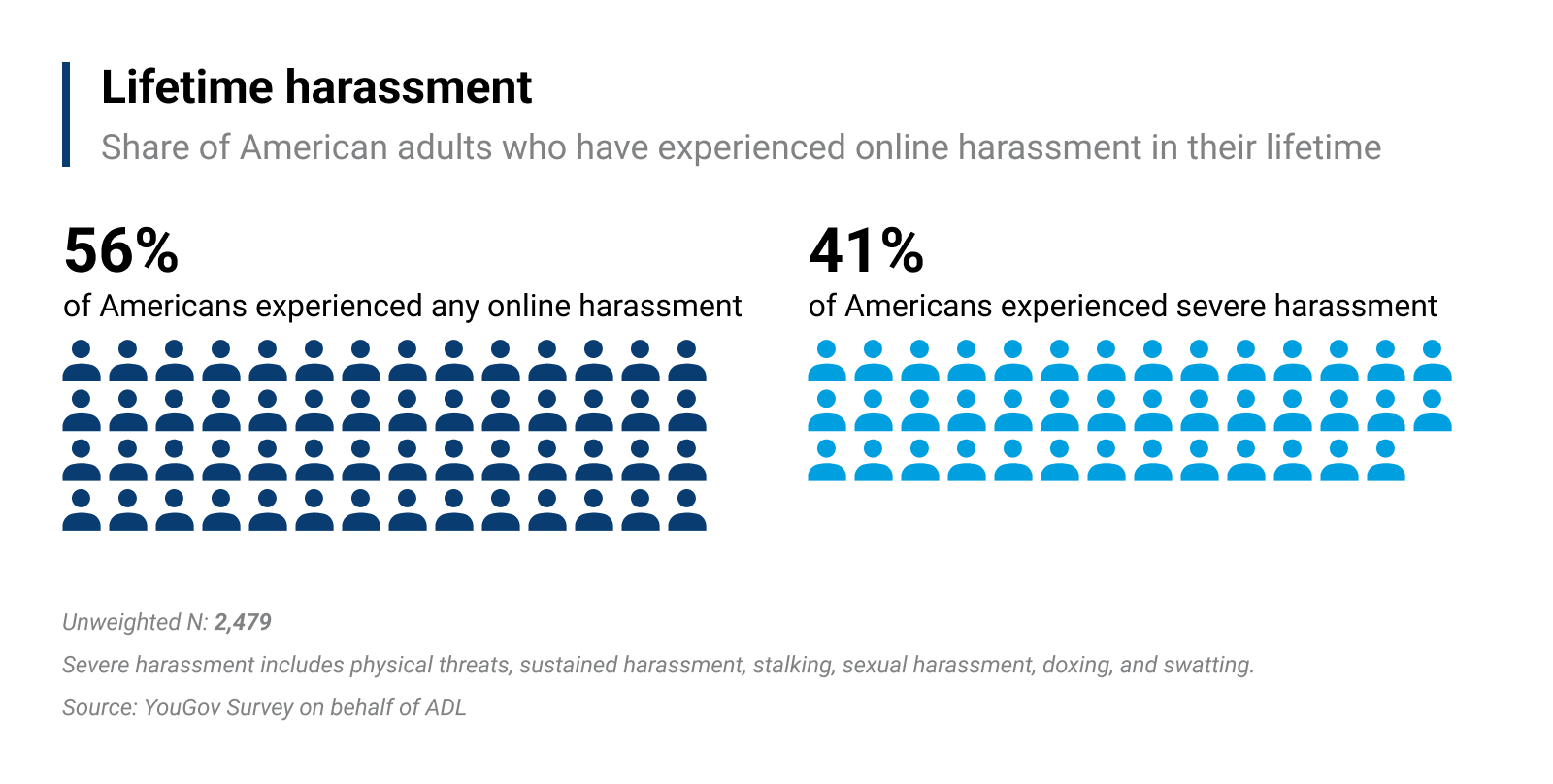
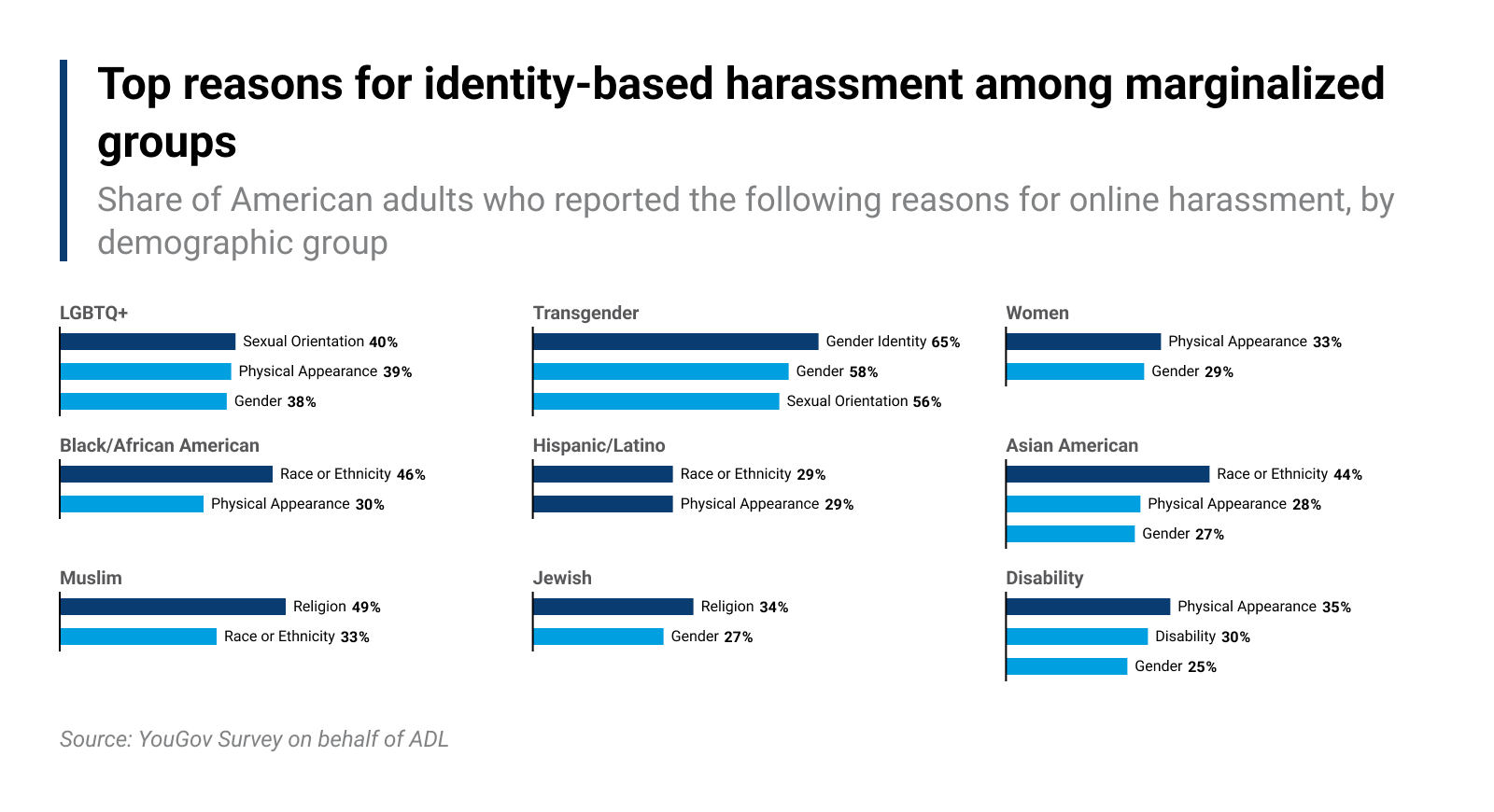
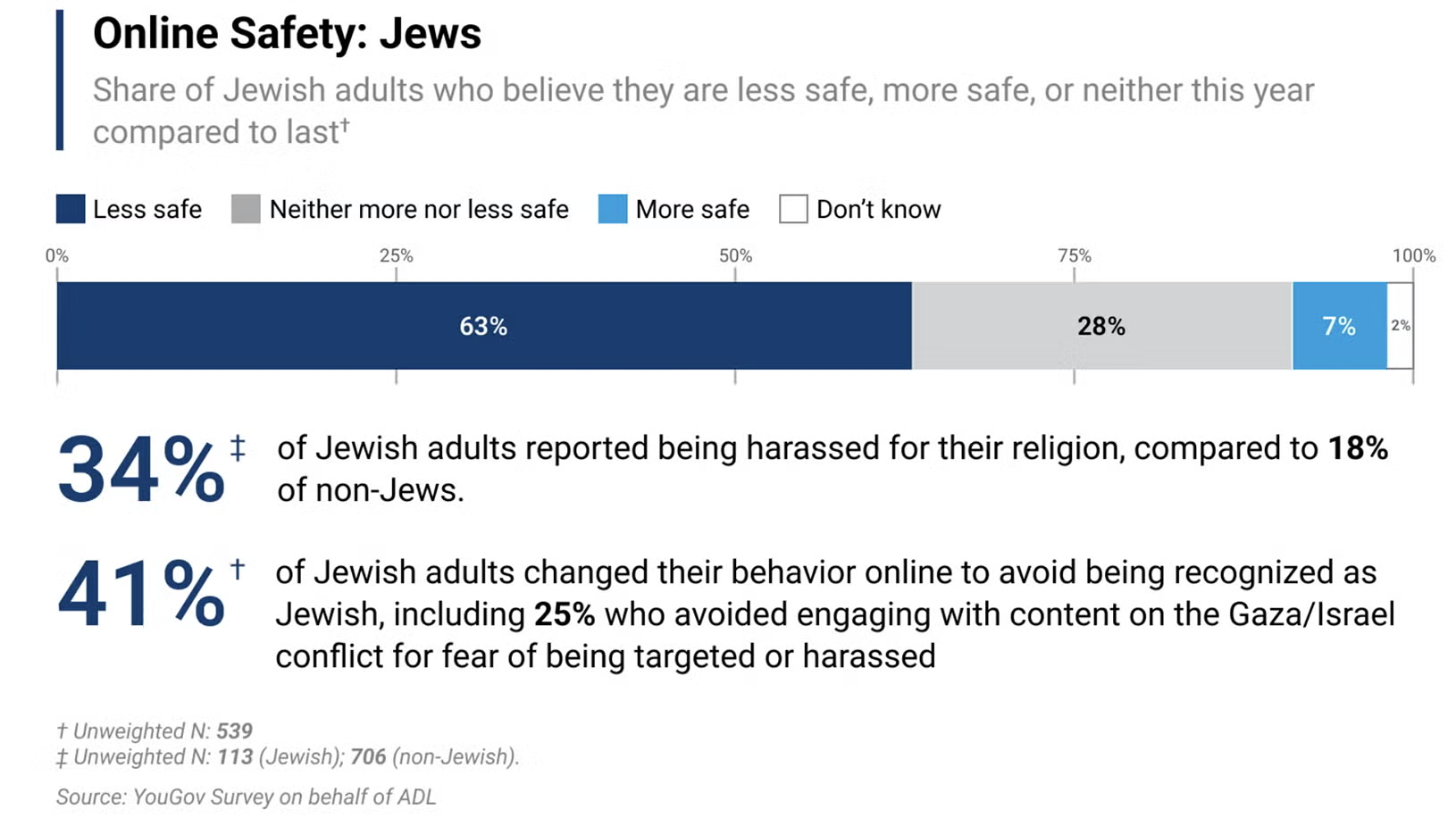
Researchers from UCLA’s Initiative to Study Hate built on this research and applied it to young people. The researchers gathered data from close to 15,000 students across 6 states, with the majority concentrated in California and roughly 60% attending grades 6-8. The study found that 80% of the young people reported encountering hate speech the month before on social media. The majority encountered hate speech pertaining to: race/ethnicity (71%), gender (72%) and/or religious beliefs (62%).
If young people are encountering this type of content online, it becomes more and more vital that they are provided with spaces where they can discuss what they are seeing and engage in strategies to proactively address hateful content online.
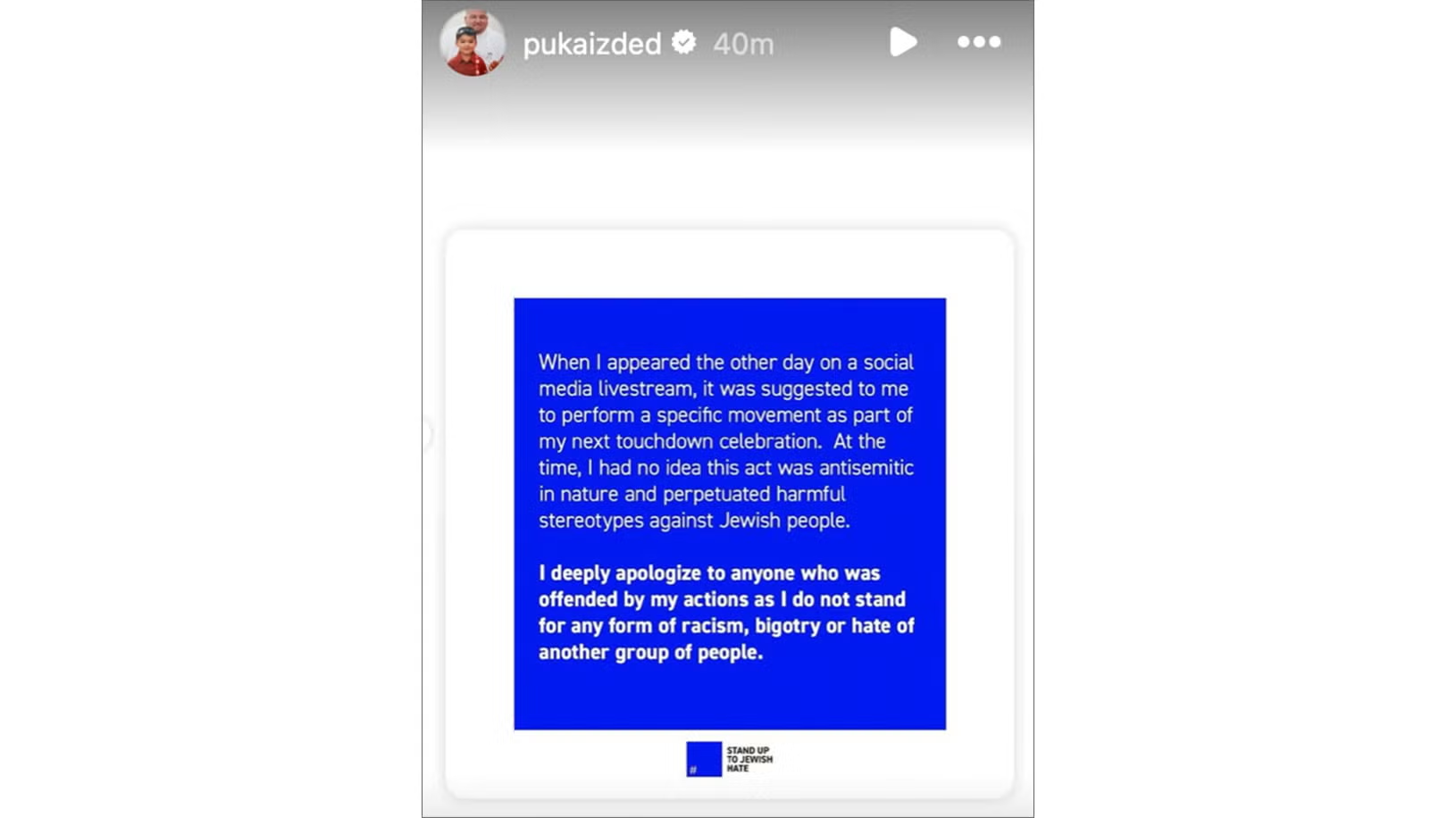
While this moment perpetuates harm in and of itself, the platform that Nacua has makes it all the more impactful. Nacua performed the gesture multiple times on a livestream, which remains viewable online.
Nacua’s platform as a public figure makes his actions more visible and therefore present a greater opportunity to perpetuate harm. It should also be noted that Nacua quickly issued a public apology, which also presents an opportunity for impact. With 381,000 followers on Instagram and 87,800 followers on X, Nacua’s public statements reach thousands of people. While issuing an apology is the first step, it’s important that for public figures like Nacua to continue to repair the harm through a commitment to education, awareness and changed behavior. This moment also presents an opportunity to educate and discuss stereotypes of Jewish people that many may not be educated about and may not recognize as hateful and problematic.
Engage in the Conversation
Age: 12 and up
Questions to Start the Conversation:
Use these questions to open up a conversation with your child, and consider follow ups based on their response.
- What social media platforms do you most use? What do you like about them?
- Have you noticed instances of hate (it could be speech, images, memes, etc.) on any of your social media platforms?
- Have you noticed celebrities or people with large followings perpetuating hateful ideas on their platforms?
- Have you noticed any hateful ideas that have gone viral?
Questions to Dig Deeper
- How do hateful ideas, perpetuated online or in viral videos, impact marginalized groups? How does it impact the broader community?
- Do people with large platforms have a greater responsibility to ensure they avoid perpetuating hateful ideas? What impact does this have on fans?
- What can individual people do to advocate against hateful ideas in online spaces?
Take Action
Ask: What actions can we take to make a difference?
- Organize a school or community-wide conversation about a current instance of hate going viral. Ask school staff (i.e. a computer science teacher or guidance counselor), student organizations (i.e. the Jewish Student Union) and/or community partners (i.e. a local rabbi) to participate in the conversation. Rather than focusing on the moment of hate, emphasize the community coming together and offering support to those who have potentially been victimized.
- Learn about the policies of different social media and online platforms—their hate/bias policies, their reporting protocols, etc. Additionally, discuss how effective (or ineffective these policies are). Create a policy guide that compiles all the information that you learned as a family so that you can refer back to it when and if an incident occurs. Consider sharing this with your wider school or local community.