




Related Content

764
June 20, 2025
When Fandom Meets Hate: Antisemitism in the True Crime Community (TCC)
September 23, 2026

WatchPeopleDie (WPD)
September 23, 2026

Key Points
- The True Crime Community (TCC) is an internet subculture centered on an intense fascination with violent criminals and mass killers, ranging from fandom to, in more extreme cases, outright glorification, veneration, and even emulation.
- Members are also drawn by an embrace of misanthropy and the sense of belonging and status that engagement with extreme violence provides.
- Its following is largely comprised of minors and young adults, a demographic particularly vulnerable to online exposure to violence and extremism, which can normalize extremist beliefs and inspire real-world violence.
- While most adherents do not commit violent acts, the subculture's fascination with violence and mass killing can push some susceptible individuals to plan and carry out attacks.
- Some TCC adherents do embrace extremist ideologies, including antisemitism and white supremacy, largely stemming from the veneration of extremist mass killers.
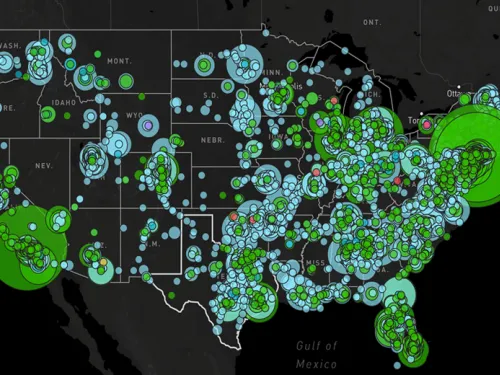
TCC Incidents Map
Recent Activity
Since 2024, the ADL Center on Extremism (COE) has identified at least 28 TCC-linked attacks worldwide, 19 of which were deadly. Eight of these deadly attacks took place in the U.S.
COE has also identified at least 19 foiled plots in that same timeframe. Most of these (14) occurred in the U.S.
Overall, COE has counted 66 TCC-linked perpetrators or alleged perpetrators across all attacks, foiled plots, and other activities worldwide. Some plots involved multiple suspects.
A pair of school shootings in the U.S. in late 2024 and early 2025 brought renewed attention to the TCC. The two shooters were immersed in TCC subculture prior to their attacks and have since become well known in TCC circles.
The shooters in the San Diego mosque attack on May 18, 2026, appear to have interacted or engaged with content associated with the TCC and displayed familiarity with TCC culture, though they are not included in the figures above because they did not identify as TCC members.
Introduction: What is the True Crime Community (TCC)?
The True Crime Community (TCC) is an internet subculture centered around the admiration and glorification of violent criminals and mass killers as objects of intense fandom. While true crime podcasts and documentaries have become staples of mainstream pop culture, the TCC should not be conflated with this widespread cultural interest.
Unlike typical true crime enthusiasts who engage with content about criminal psychology, justice, and victim empowerment, the TCC is built around the admiration, veneration, and, in more extreme cases, emulation of violent criminals, particularly mass shooters. As with other fandoms, some TCC adherents may identify with particular perpetrators, forming parasocial connections based on perceived similarities. The TCC's following is largely comprised of minors and young adults, a demographic particularly vulnerable to online exposure to graphic violence and extremism. This, combined with personal factors such as home and school life, can profoundly influence impressionable youth — and may even inspire deadly, on-the-ground acts.
A pair of school shootings in the U.S. in late 2024 and early 2025 brought renewed attention to the TCC. Natalie “Samantha” Rupnow, the teenage shooter at the Abundant Life Christian School in Madison, Wisconsin, killed two people and injured six before taking her own life on December 16, 2024. Just a few weeks later, on January 22, 2025, another teen shooter, Solomon Henderson, killed one person and wounded another at Antioch High School in Nashville, Tennessee, also dying by suicide. Both shooters had engaged with the community before their respective attacks. They shared manifestos that expressed a deep interest in violence, mass shooters, and various forms of extremism – like white supremacy and antisemitism.
These attacks are part of a growing, global wave of TCC-linked mass violence. Since the Rupnow and Henderson attacks, COE has identified at least 20 more TCC-linked acts of violence.
Extremism and Antisemitism in the TCC
The TCC is not inherently extremist ideologically. Rather, it is defined by an interest in extreme violence, pervasive misanthropy, and broad societal grievances, alongside a desire for community and potential notoriety online. The TCC can be viewed as part of the broader nihilistic violence ecosystem, where violent actions are often driven by the pursuit of notoriety and hatred of humanity, rather than ideological goals.
However, some TCC adherents do embrace extremist ideologies, largely stemming from the veneration of violent extremists and mass killers. The 2019 Christchurch mosque shooter, Brenton Tarrant, the 2022 Buffalo shooter, Payton Gendron, the 2015 South Carolina Mother Emanuel AME church shooter, Dylann Roof, and the 2011 Norway attacker, Anders Breivik, remain highly popular among the TCC. These attackers were inspired by white supremacist ideology, with Gendron and Tarrant promoting accelerationism, a belief that violence can hasten societal collapse and racial conflict. The popularity of violent misogynist extremist killers like Elliot Rodger and Marc Lépine in TCC spaces also highlights the intersection of the subculture and inceldom.
Antisemitic references are another common nexus point among some TCC adherents – particularly those who commit attacks – with several referencing Jews in derogatory ways in their manifestos, social media content, and firearm inscriptions. For instance, the 2025 Antioch High School shooter’s manifesto called Jews “soft targets,” and claimed that “kikes are poisoning our culture.” He also included propaganda from the antisemitic Goyim Defense League (GDL). Moreover, the 2025 Annunciation Catholic School shooter, Robin Westman, inscribed their weapons with antisemitic phrases like “6 million wasn’t enough,” “Extra Thicc! [sic] Jew Gas,” and a reference to the 2018 Tree of Life synagogue shooter, Robert Bowers.
Within TCC spaces, however, the extremist symbols, manifestos, and phrases associated with these attacks often lose their original ideological meaning, becoming memetic references that signal familiarity with revered attacks rather than reflecting genuine ideological beliefs. These references are a form of social currency that identify someone as a member of the TCC, rather than reflecting genuine ideological beliefs.
This results in a curious phenomenon: TCC adherents frequently share and celebrate content featuring conflicting extremist ideologies. For example, white supremacist and Islamist extremist attacks may be praised side by side with no acknowledgement of the inherent contradictions in these ideologies.
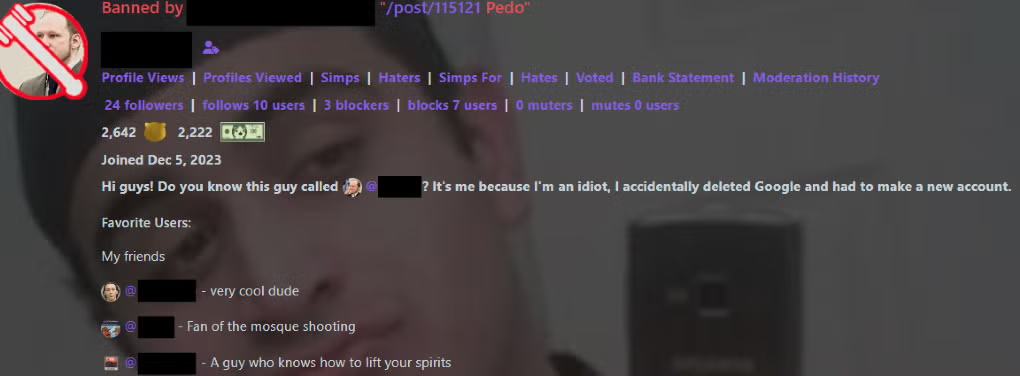
A WatchPeopleDie account dedicated to Anders Breivik, a white supremacist mass killer, and Omar Mateen, the Islamist shooter at the Pulse nightclub in 2016.
Many TCC members display equal admiration for ideologically motivated extremist mass killers and those driven by other grievances, especially school shooters like Adam Lanza (who perpetrated the December 2012 Sandy Hook Elementary School shooting), underscoring that for many TCC adherents, the interest lies largely in the mass violence and the perpetrators, and less in the underlying ideologies or motives. For example, the 2025 Annunciation Catholic School attacker used weapon inscriptions referencing Lanza, Robert Crimo (the perpetrator of the 2022 Highland Park parade shooting), and other non-ideologically motivated mass attackers alongside references to Tarrant and Christchurch – like “remove kebab” and “–51” (a reference to Tarrant’s “kill count”) – and even naming September 11 attacker Mohamed Atta.
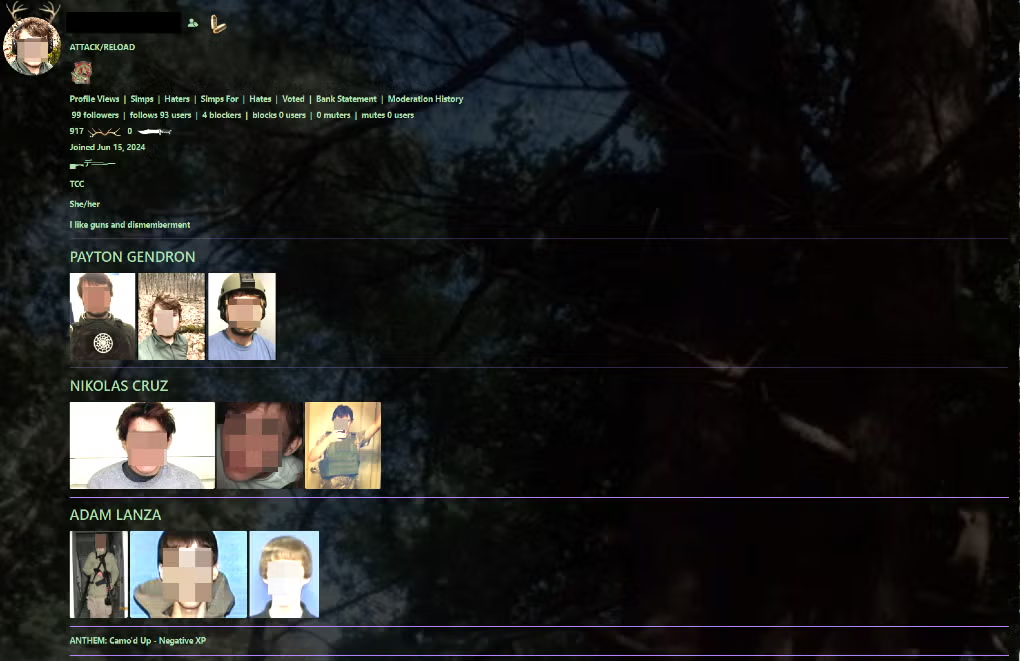
A WatchPeopleDie profile of a user who identifies as “TCC” that includes images of white supremacist mass killer Payton Gendron alongside school shooters Nikolas Cruz (who perpetrated the February 2018 Parkland High School shooting) and Adam Lanza (who killed 20 children and six adults at the Sandy Hook Elementary School in 2012).
The Influence of Columbine and Christchurch
Among the various attacks and attackers glorified by the TCC, certain cases have achieved particular notoriety and influence. Livestreamed attacks, such as the 2019 Christchurch mosque shootings, are especially popular because the footage provides raw material with which TCC members can create memes and fan edits. Online, more extreme individuals within the TCC also commonly encourage those who are considering carrying out attacks to livestream their violence for others to view. Consequently, livestreaming acts of mass violence has become more popular among TCC followers who carry out attacks. Since 2024, COE has tracked at least seven alleged TCC-linked perpetrators who livestreamed, attempted to livestream, or expressed plans to livestream an act of violence. Likewise, weapon inscriptions with phrases and symbols – typically done with white marker – like those used by Tarrant, Gendron, and other extremist mass killers have also become popularized among TCC mass attackers.
However, no event holds greater influence within the TCC than the April 1999 mass killings at Columbine High School in Columbine, CO. The Columbine massacre has achieved near-mythological status within the TCC, due in part to the volume of material available on both the attack and the attackers, Dylan Klebold and Eric Harris. Harris’s and Klebold’s personal writings, home videos, photographs, and police reports have provided the TCC with a wealth of content to study, share, and venerate. Online spaces dedicated to discussing and studying the Columbine shooting emerged in the months after the 1999 attack, with participants often referred to as “Columbiners.” The “Columbiner” fandom can be viewed as a precursor to the modern-day TCC. Many mass attackers, especially those within the TCC, have drawn inspiration from Harris and Klebold.
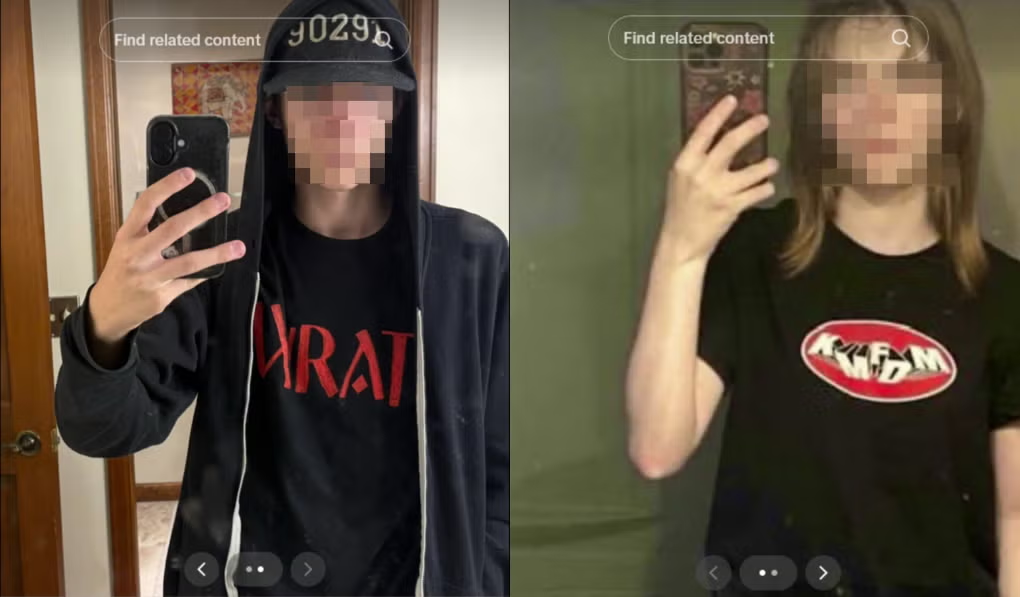
(Screenshots)
Left: 2025 Evergreen High School attacker Desmond Holly wearing a recreation of the shirt worn by Dylan Klebold during the 1999 Columbine shooting. Right: Natalie Rupnow wearing a shirt for the band KMFDM, of whom Klebold and Harris were fans.
Attackers like Rupnow (2024 Abundant Life school shooting) and Henderson (2025 Antioch school shooting) are also frequently referenced in TCC spaces due to their connection to the TCC prior to committing their attacks. Henderson himself was directly inspired by Rupnow’s attack, reflected in his manifesto and in his online activity. The Annunciation Catholic School shooter directly mentioned Rupnow, among dozens of other extremist and non-extremist mass killers, in a weapon inscription. The Evergreen High School attacker from 2025, Desmond Holly, posted a photo on social media posing in a possible reference to Rupnow.
Vulnerability and Pathways to Violence
The TCC is largely comprised of minors, a demographic particularly vulnerable to exposure to mass violence and extremism through online communities, due to a number of factors including mental health issues, unsupervised internet access, and limited familial or social support. Since 2024, TCC-linked alleged attackers have ranged from middle school-aged to late twenties, like the alleged 12-year-old perpetrator of a stabbing attack in Sicily, Italy, in May 2026 and the 27-year-old April 2026 Teotihuacán pyramid shooter.
COE analysts have additionally observed several online users younger than 14 actively engaging in TCC spaces, suggesting that even preteens are increasingly exposed to and engaging with TCC content. This youthful skew amongst mass attackers, and particularly school shooters, is not a new phenomenon – Klebold and Harris were 17 and 18 years old, respectively, at the time of their attack.
Many of these adolescents may struggle with, or believe they experience, mental health issues. Research on prior mass attackers and TCC-linked assailants has found signs of depression, self-harm, eating disorders, obsessive thoughts, substance abuse, social anxiety, and suicidal ideation. Suicidality is of particular concern in the TCC, as it may exacerbate hopelessness or the belief that lethal consequences are an acceptable solution to grievances. Concluding mass casualty attacks with suicide-by-cop or self-inflicted injury is sometimes an explicit goal for perpetrators, and manifestos may double as suicide notes.
At least nine of the 66 TCC-linked perpetrators tracked by COE since 2024 died by suicide. For example, the Abundant Life Christian School shooter, who killed herself following her attack, wrote in her alleged manifesto, which also served as a suicide note, that “death is something most people need to embrace and accept, rather than running away from it.” Likewise, the Antioch High School shooter wrote in his manifesto, “if I’m not either killed, released or enough time passes and If I’m bored I’ll commit suicide, happy in the knowledge I did my best.” The April 2026 Teotihuacán pyramid shooter – who killed one person and injured 13 others in Mexico – similarly committed suicide following his attack. He also had on his person an AI-generated image of himself alongside Columbine shooters Eric Harris and Dylan Klebold, who also killed themselves after committing their massacre.
While mental health alone does not have any bearing on propensity for violence, when paired with other warning signs and engagement with extremist material, deteriorating mental wellbeing may be cause for investigative concern.
The overwhelming majority of TCC adherents do not commit violent acts, and many within the community actively eschew violence and decry alarming posts. However, the subculture's fascination with violence and mass killers can serve as a gateway to more extreme ideologies, including inceldom, white supremacy, accelerationism, Satanic neo-Nazism, and the "Com" network, which includes decentralized networks like 764.
When TCC adherents do commit violence, their actions are often referential or memetic, with attackers viewing themselves as continuing a legacy established by previous killers and inspiring those who come after them. The Antioch High School shooter’s manifesto, for example, references dozens of other extremist and non-extremist mass killers that inspired his attack and includes a section dedicated to encouraging others to commit attacks, providing advice on targets. Social dynamics within the TCC further incentivize violence: group chats and comment sections are filled with goading posts that shame benign content, belittle attacks with low death tolls, and reward those who demonstrate niche knowledge and spectacle. This implicit hierarchy encourages attackers to leave digital breadcrumbs, like manifestos, for the TCC fandom to glamorize post-attack. In some cases, COE analysts have observed perpetrators creating animations, edits, or AI videos of themselves before their attacks, seemingly to encourage others to carry on in their name and glorify them online.
Platforms and Activities
TCC content can be found on a wide range of platforms, from mainstream social media sites like TikTok and gaming platforms like Roblox to more niche forums like WatchPeopleDie (WPD). The TCC uses a distinct lexicon to differentiate its members from those with a casual interest in true crime. Hashtags like #tcc, #truecringecommunity or #teeceecee mark content that goes beyond mere interest in crime and instead expresses fandom and admiration for violent perpetrators. Other symbolic cues, such as the military helmet emoji; usernames inspired by past attackers; or the logo, flag or definition for misanthropy, tacitly communicate that a user is engaged with the more extreme sphere of the TCC.
Content in the TCC bears resemblance to that of other mainstream fandoms. Fan edits, art, doodles, animations, fanfiction, and memes about mass killers are ubiquitous across the TCC. Accounts often share collages that celebrate past attackers through interspliced images of the killers, their target locations or films based on fictional mass shootings. Some may memorialize these collages in the physical world by building "perp walls” or other shrines that decoratively display printed images of killers on their bedroom walls or in notebooks. For example, investigators testified that Colt Gray, the 14-year-old shooter at Apalachee High School in Georgia in 2024 built a “shrine of violence” by adorning his bedroom walls with images featuring Nikolas Cruz, the 2018 Parkland High School shooter in Florida.
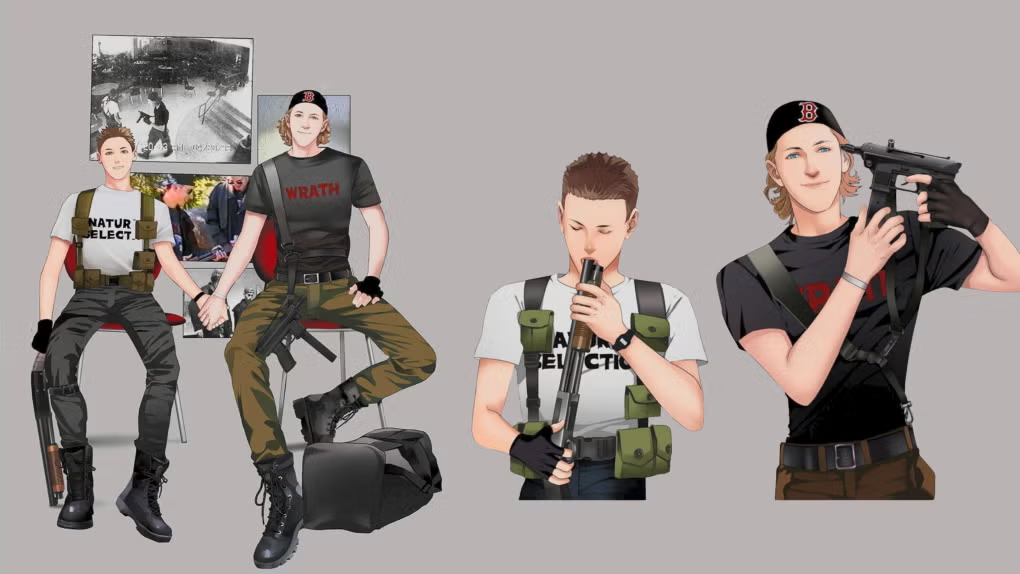
Fan art featuring illustrations of Columbine High School attackers Dylan Klebold and Eric Harris. The images on the right depict Klebold and Harris as they committed suicide following the shooting, with Harris putting his shotgun in his mouth and Klebold putting his TEC-9 against his temple.
The hobbies, lives, and writings of notorious attackers are another point of worship within the TCC; the mundane details are viewed as relatable and humanizing. For example, some TCC members celebrate Adam Lanza, the 2012 Sandy Hook school shooter, who killed 20 children under the age of eight, through clips of him on a Dance Dance Revolution arcade machine or pictures of hamsters, his favorite animal. Moreover, TCC accounts may depict fantasies of parasocial relationships with attackers, with some members going so far as to romanticize them or express hybristophilia, a sexual attraction towards violent criminals.
Other content more explicitly glorifies shooters by extolling the death tolls from attacks or the cortisol rush – a hormone spike in response to “fight-or-flight” situations – experienced from watching livestream footage of graphic violence.
An Embrace of AI Technology

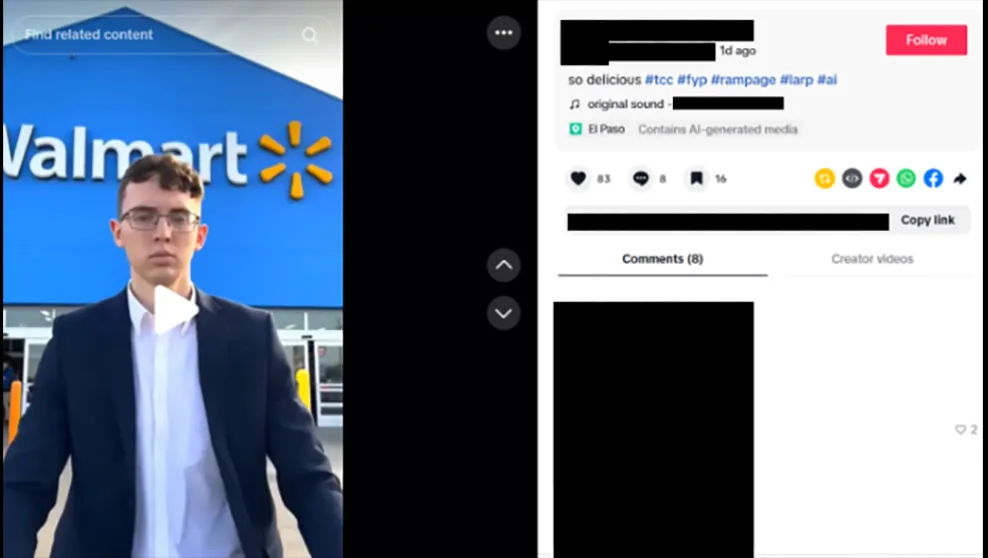
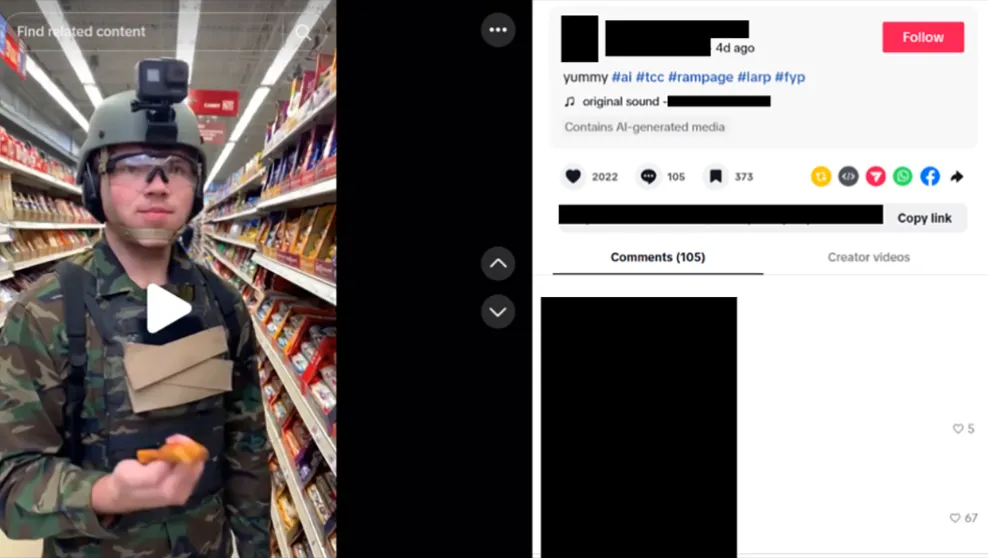
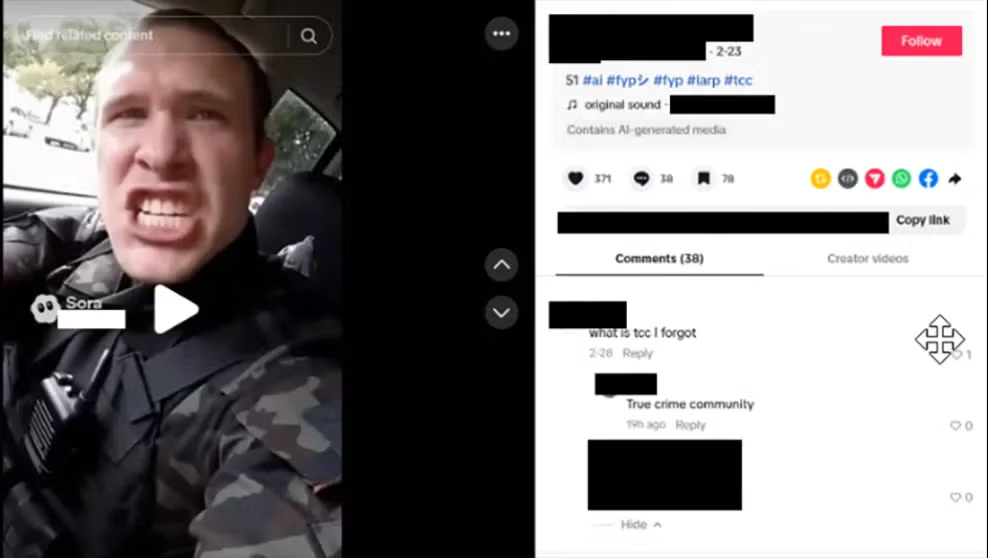
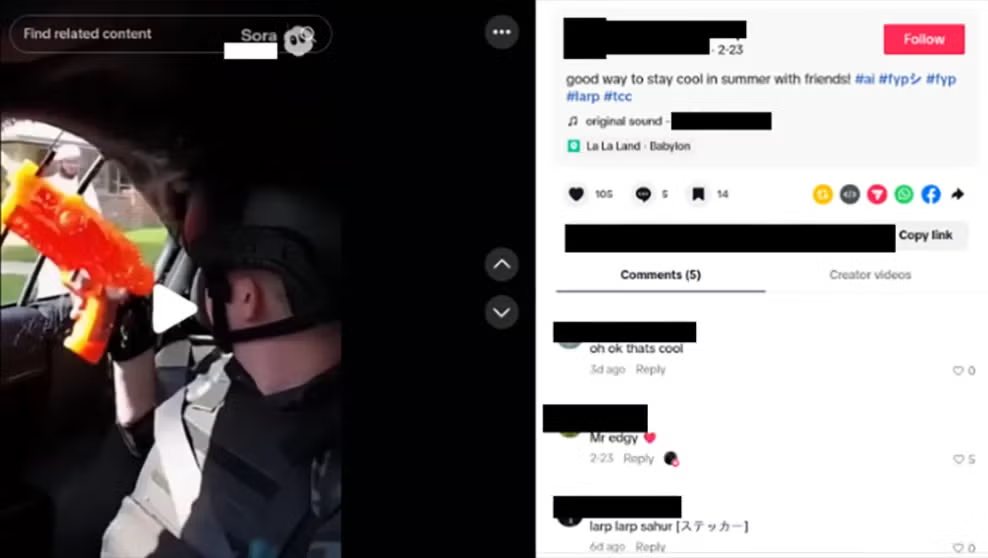
The rise of AI technology has created new avenues to venerate and idolize mass killers within the TCC. One of the most popular trends in the TCC currently involves the creation of AI-generated videos of attackers dancing. Users then overlay the dancing perpetrators on images of victims or attack scenes as memes. Some TCC members have also used Sora AI to create videos romanticizing or satirizing attackers.
COE analysts have encountered Sora AI-generated TikTok videos depicting former school shooters doing everything from putting on makeup to shooting students with water guns. The mass shooting at the Teotihuacán ruins in Mexico on April 20, 2026 — on the anniversary of the Columbine attack — exemplifies the concerning use of AI within the TCC. The shooter was discovered carrying an AI-generated photo in which he posed with the Columbine shooters.
TCC in Gaming Spaces
A popular activity among TCC members is the recreation of real-world mass shootings in video games like Roblox and Garry’s Mod. These games allow players to create and share their own content, including cosmetic items and maps. Members of the TCC exploit these tools to recreate various mass shootings and impersonate the perpetrators. These recreations, often referred to within the community as “TCC games,” can include replicas of the location where an attack took place, virtual attire and items designed to imitate the clothing and weapons of the attacker, and even references to victims of the attack. TCC members have also occasionally developed fictionalized games that simulate an attack at a public place, school, or place of worship. The 2026 Tumbler Ridge, Canada shooter allegedly created a mass shooting game on Roblox that took place in a generic mall environment.
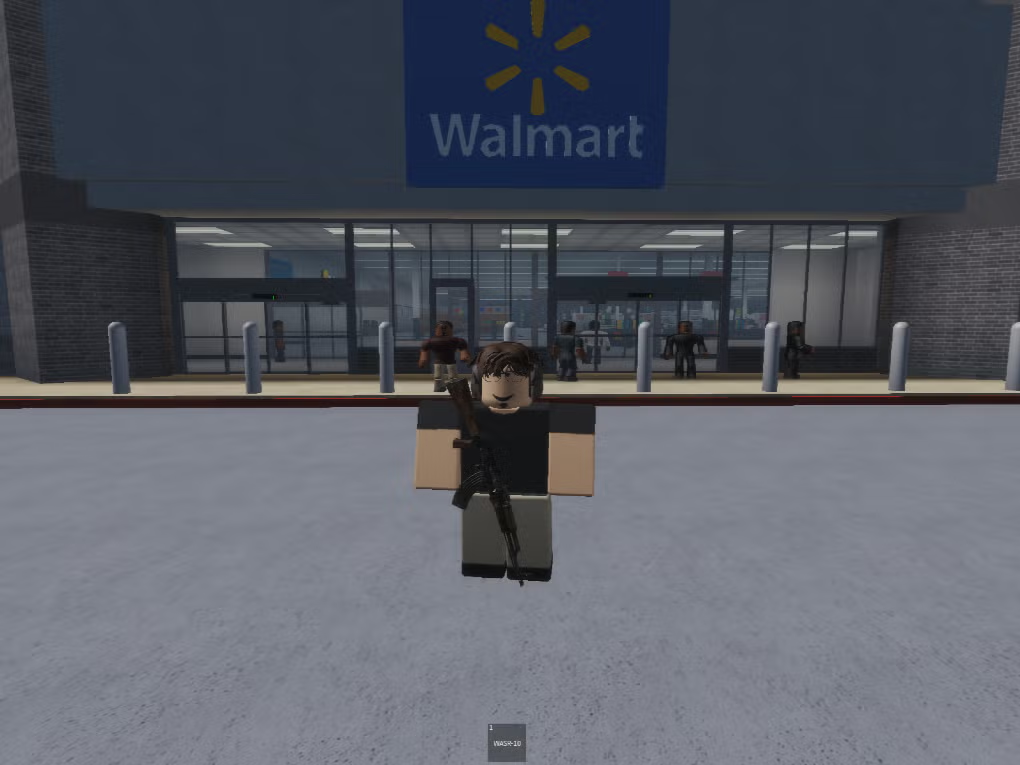
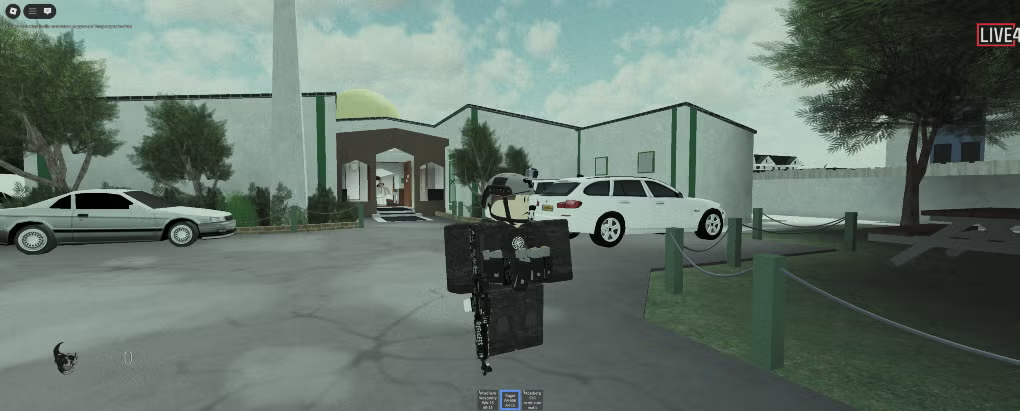
Top: Screenshot from a TCC Roblox game in which the player plays as Patrick Crusius, carrying out the 2019 El Paso Walmart shooting. Bottom: Screenshot from a TCC Roblox game where players control Tarrant during the Christchurch mosque shootings. Both games accurately recreate the gear, weapons, and environments of the respective shootings.
![Opening to the “Kebab” Roblox game, which includes real audio from the Christchurch shooting livestream and gives players the objective of “eliminat[ing] 44 Kebabs,” or Muslim people.](/sites/default/files/images/2026-06/TCC_Backgrounder_kebab_screenshot_1020.png)
(Screenshot/Roblox)
Opening to the “Kebab” Roblox game, which includes real audio from the shooting livestream of the Christchurch massacre, and gives players the objective of “eliminat[ing] 44 Kebabs,” or Muslim people.
TCC games are commonly developed and/or distributed by “studios,” which are small groups of users dedicated to either producing their own games or preserving and distributing TCC games that are frequently banned by Roblox. These studios promote themselves on social media platforms like X and TikTok, typically providing a link to a Telegram channel or Discord server where followers can access TCC game files.
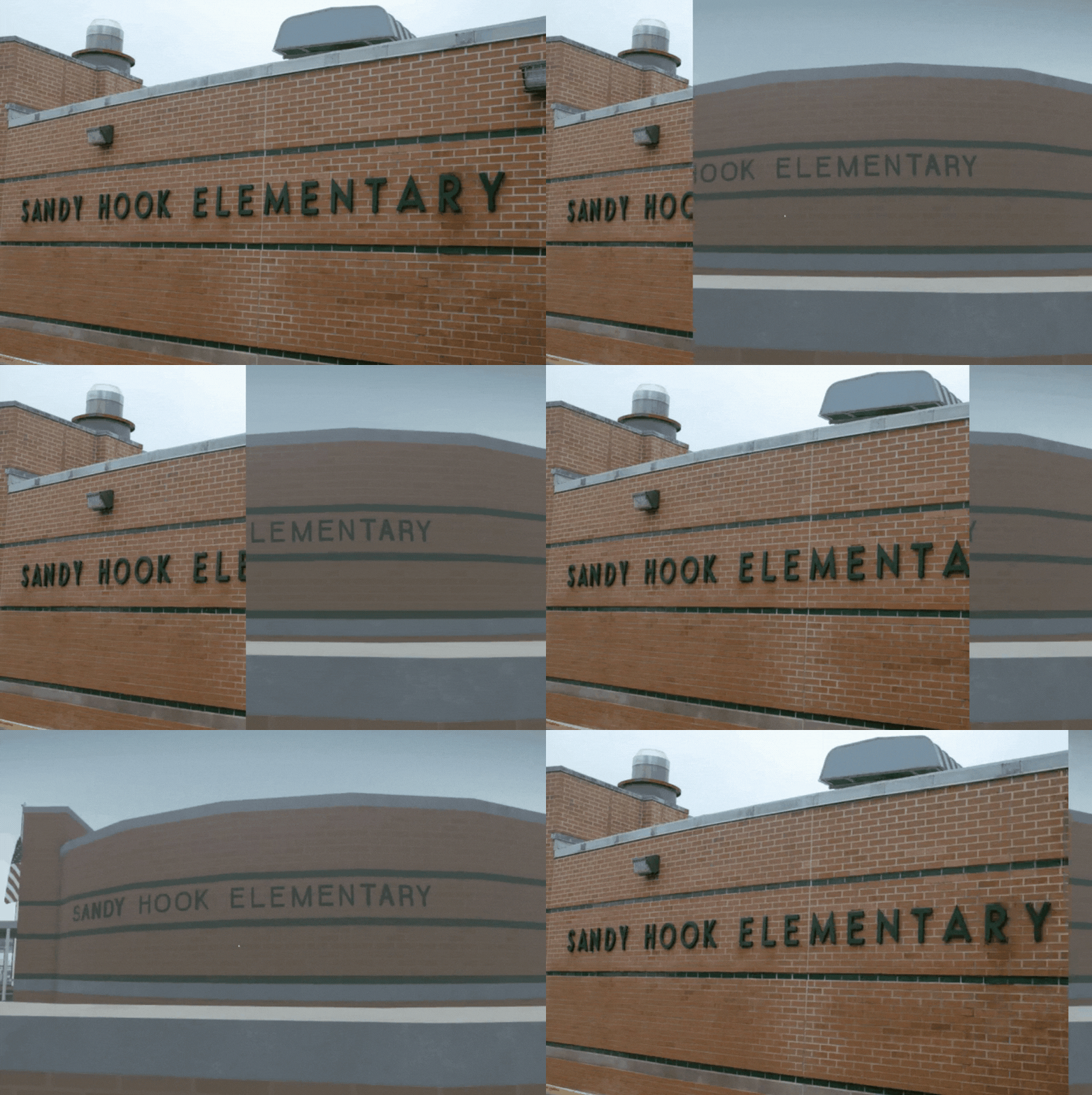
COE researchers have identified over 40 unique TCC games across various platforms that recreate real-world attacks, including ideologically motivated shootings like the 2019 Christchurch mosque shootings, the 2016 Pulse nightclub shooting, and the 2018 Tree of Life synagogue shooting. Other TCC games simulate school shootings, with Columbine, Uvalde, and Sandy Hook being particularly popular. Gameplay footage taken from TCC games is also used in social media content to either promote specific TCC games or game studios, or to promote the TCC in general.
Getty Images
An image from the outside of Sandy Hook Elementary (Connecticut State Police via Getty Images) juxtaposed in a GIF with a screenshot from a Sandy Hook shooting Roblox game.
TCC on Gore Forums
The TCC also congregates on forums dedicated to viewing, sharing, and discussing real images and videos of violence, including murders, torture, executions, beheadings, suicides, dismemberments, and accidents. On sites like WatchPeopleDie and Documenting Reality, followers freely share violent content related to criminals, serial killers, and mass killers, with posts compiling details on shooters, their manifestos, and attack images and footage. The “True Crime” TCC group on WPD has over 2,300 members.
COE has tracked at least eight TCC-linked perpetrators since 2024 who were active on WPD alone. On WPD, COE identified an interconnected network of dedicated users, including the Abundant Life Christian School shooter and the Antioch High School shooter, with profiles that venerate extremist killers and share extremist content.
For the more extreme elements of the TCC, these sites also serve as spaces to venerate mass killers, with user profiles and “fan edit” videos dedicated to them – although WPD recently announced a ban on fan edit content. Consequently, for less extreme elements of the TCC, these forums can serve as spaces that further put them into contact with extremist content and ideology alongside extreme violence.
TCC-Linked Attacks and Plots
Since early 2024, COE has identified at least 66 TCC-linked perpetrators or alleged perpetrators across all attacks, foiled plots, and other activities worldwide. More than half of these perpetrators or alleged perpetrators (36) were in the U.S.
Since 2024, COE has identified at least 28 physical attacks overall, including 12 in the U.S. (eight of them deadly). COE has also identified at least 19 TCC-linked foiled plots globally. Most (14) of the foiled plots occurred in the U.S.
Below are some examples of notable TCC-related attacks and thwarted plots:
- December 2025, Odintsovo, Russia: A 15-year-old boy reportedly carried out a knife and pepper spray attack at a school in Gorki-2, in Moscow’s Odintsovo region, killing a 10-year-old boy who appeared to have been targeted for his Tajik background, and injuring a security guard and a staff member. The attacker is considered TCC-linked due to his reported glorification of other mass attacks, including the 1999 Columbine massacre and the 2025 Antioch High School shooting. He reportedly livestreamed the attack using a camera mounted on his helmet and wore a shirt bearing the phrase “No Lives Matter.” His helmet was also marked with “NLM,” neo-Nazi slogans, a quote from the 2015 Mother Emanuel AME Church shooter Dylann Roof, and references to past attacks. Before the attack, the boy reportedly sent his classmates a manifesto that referenced Columbine and expressed hatred for Jews, Muslims, and LGBTQ+ people. He was arrested following the attack, with a Russian federal law enforcement investigation ongoing.
- November 2025, Jakarta, Indonesia: A 17-year-old allegedly bombed a mosque during afternoon prayers at a senior high school in Jakarta, Indonesia, injuring 96 people. Police reportedly recovered an airsoft rifle at the attack scene inscribed with references to previous attacks, the white supremacist “14 Words” slogan, and other esoteric references. Police also say the boy participated in the True Crime Community and joined a Telegram channel in which members shared violent content and discussed previous attacks. A TikTok account believed to belong to the alleged bomber contained white supremacist content and featured a video of him making the “OK” hand gesture in a bathroom, seemingly imitating Rupnow. The boy was reportedly injured after an explosive device apparently meant to kill him malfunctioned.
- September 2025, Evergreen, Colorado: 16-year-old Desmond Holly opened fire at Evergreen High School in Colorado, critically injuring two students before killing himself. Like Rupnow and Henderson, Holly was active on WatchPeopleDie, joining the gore forum during the period between their attacks. On TikTok, Holly was active with the TCC, expressing admiration for school shooters and making numerous references to violent white supremacy. Days before the attack, he posted a TikTok video of himself wearing a black T-shirt with “WRATH” written in red, posing similarly to Rupnow and echoing the shirt worn by Dylan Klebold during the 1999 Columbine massacre, which took place just 20 miles from Evergreen.
- August 2025, Minneapolis, Minnesota: Robin Westman, 23, launched a shooting attack at Annunciation Catholic School in Minnesota, killing two and injuring 30 more before killing themselves. In YouTube videos uploaded shortly before the attack, Westman displayed weapons inscribed with references and symbols associated with mass killers typically idolized in the TCC. Although the weapons also bore hateful messages targeting marginalized groups, the attack appears to have been driven more by a desire for notoriety and to violently end their and others' lives than by a coherent ideological motive. In a journal, much of it written in Cyrillic script, Westman described their planned attack as their “masterpiece” and “the perfect way to say goodbye,” adding, “By the time it happens, I won’t care about anything else anymore.”
- February 2025, Mooresville, Indiana: Following an anonymous tip to the Sandy Hook Promise “Say Something” line, police arrested 18-year-old Trinity Shockley for planning a Valentine’s Day mass shooting at Mooresville High School in Indiana. Authorities reportedly found AR-15 magazines, ammunition, and a soft armor vest in her father’s bedroom and numerous photos of previous mass attackers in her bedroom. Shockley was reportedly infatuated with the perpetrator of the 2018 Marjory Stoneman Douglas High School shooting in Parkland, Florida, and told a Discord user that she wanted to carry out “Parkland part two” at her high school. Shockley claims to have joined TCC spaces on social media in 2022. On November 24, 2025, Shockley was sentenced to 20 years in prison, with eight years suspended, followed by five years of probation after pleading guilty to conspiracy to murder.
- January 2025, Nashville, Tennessee: Solomon Henderson, 17, carried out a shooting at Antioch High School in Tennessee, killing one and injuring another before killing himself. Although Henderson was Black, he expressed accelerationist white supremacist beliefs and was steeped in online incel subculture. His online behavior showed extensive engagement in TCC spaces, including glorification of previous mass killers. He left behind a manifesto rife with anti-Black racism and antisemitism, as well as references to mass attackers drawn from TCC circles. Like Rupnow, Henderson was active on WatchPeopleDie; he appeared particularly fixated on Rupnow and posted a TikTok video celebrating her just days before his attack. In his online diary, Henderson referred to Rupnow as a “saint,” a label some extremists use to venerate attackers, and said he was inspired by her to carry out his shooting.
- December 2024, Madison, Wisconsin: Natalie “Samantha” Rupnow, 15, opened fire at the Abundant Life Christian School in Wisconsin, killing a teacher and a student and injuring six others before taking her own life. Rupnow’s TCC engagement was extensive and well-documented; she created an account on WatchPeopleDie in 2023 and was active in TCC spaces. Shortly before the attack, Rupnow posted a photo on X of the school bathroom floor and her hand flashing the “OK” hand gesture, a memetic behavior common in TCC spaces and echoed by the 2025 Jakarta bomber and several concerning TCC users observed by COE analysts. Rupnow engaged with extremist and antisemitic content on TikTok and WatchPeopleDie, including accounts that glorified white supremacist killers. In August 2024, she joined a Telegram chat created by an 18-year-old white supremacist who later carried out a stabbing outside a mosque in Turkey. In her manifesto, Rupnow wrote that the attack inspired her own.