








The #DropTheADL is not a good-faith critique of ADL’s work. Use this guidance to understand the campaign and push back.
100 Results
Back
It’s critical that parents, caregivers and educators learn more about social media and how to support young people in their understanding of its power and limitations.

ADL's research and data on antisemitism provides a bridge between history, current events, and students' lived experiences. Explore the Global 100.

Related ContentBackground Young people are using AI (artificial intelligence) tools every day for homework, curiosity, creativity, and social interaction. While we don’t have exact statistics on daily AI usage yet, recent Pew Research Center findings suggest that AI use begins to rise sharply by early adolescence, with widespread use among teens ages 13–17. While many see AI as a useful and credible source of information, it needs to be utilized critically and thoughtfully,…

Educators should select narratives for their classroom with thought and care—ensuring that history and fact are presented accurately and with as much balance as possible.

Publicly available maps can be inaccurate or misleading; when used as teaching aids, such biased maps can create a distorted sense of events. For this reason, educators should take care when choosing whether and how to use publicly available maps for instructional purposes, especially when covering complex and ongoing topics.

In recent years, the education landscape has changed dramatically. With the rise of AI platforms like ChatGPT and resource sharing hubs like Teachers Pay Teachers, there are many organizations and resources that claim to offer quality material—often at no cost. The rise of these platforms coincides with a change in trends for educators. According to a report from Education Week, the average teacher uses five supplemental resources and two core curricula sources. While the intention…

Empower parents, caregivers and families of Jewish students with resources to proactively engage with school leaders and enhance student experiences.

National heritage and celebration months are excellent opportunities to explore, celebrate and educate about the many cultures and peoples of the United States.

Guide for educators of common questions that may arise when teaching Jewish American Heritage lesson plans.

Engage in a family conversation about the origins of Jewish American Heritage Month and why we celebrate and commemorate it.
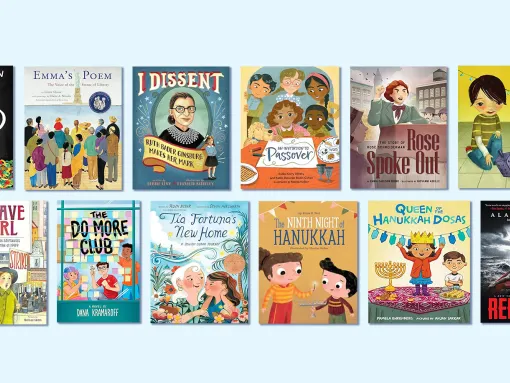
Children's books about Jewish people and the Jewish experience

Provides information about antisemitic bullying, how it takes places in schools and among young people and what educators can do.

The Anti-Bias Framework recognizes and builds an understanding of bias and takes steps to address it.

The Four Pillars of Challenging Antisemitism support learners in applying anti-bias skills and knowledge to antisemitism

This resource assists parents, families and caregivers when an antisemitic incident happens at school. It includes tools and guidance to support the young person and to help make the school safer and more inclusive for Jewish and all children.

ADL is addressing antisemitism through advocacy and education to help Jewish students, teachers and allies feel safe in the classroom. Explore the toolkits now!

Engage in a family conversation about the online hate and harassment and what can be done about it.

Engage in a family conversation about the role of election poll workers and discuss both the rewards and risks of being an election worker.

A collection of picture and chapter books that explore the power of words.