








Getty Images



Swatting is the deliberate act of reporting a false crime or emergency to provoke an aggressive emergency response (often a SWAT team) from law enforcement against a target to harass and intimidate them.
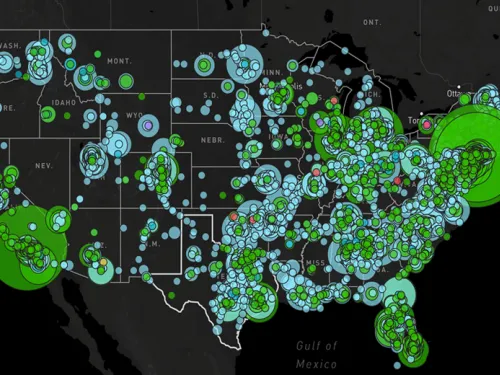
Swatting attacks typically involve hoax reports of bomb threats, active shooters, hostage situations, or other imminent or ongoing dangers. Perpetrators may communicate these reports by phone, email, or other means to law enforcement agencies, crisis or support lines, or the targets themselves. In recent years, swatting has affected an increasingly broad range of targets, including schools, universities, religious institutions, and private residences. Although various types of extremists and cybercriminals engage in swatting, a significant share of recent activity has involved groups and actors associated with the Com network, a loosely connected, transnational network of online actors involved in illicit and harmful activities, including sadistic online exploitation (SOE), swatting, vandalism, arson, ransomware attacks, and the distribution of child sexual abuse material (CSAM).
Doxing is a blanket term for sharing another person’s private information on the internet without permission.
This can include their full name, home address, phone number, personal photos, and other sensitive details. Perpetrators may gather this information from social media posts, public records, data breaches, and other sources. Doxing can lead to harassment, stalking, and physical harm, and can enable other crimes, including extortion and swatting.
As swatting and doxing attacks become more common, individuals, communities, and institutions should know how to respond to them.
If You Receive a Swatting Threat*:
If You’re a Victim of Doxing:
* This resource is not intended to provide, and should not be construed as providing, legal or security advice.