







Related Content
Understanding Targeted Violence and the Pathway to Violence
September 23, 2026

Behavioral Threat Assessment and Management (BTAM): A Guide for Educators
September 23, 2026

Understanding Targeted Violence: Becoming an Upstander
September 23, 2026
Staying Safe from Swatting and Doxing: What You Need to Know
September 23, 2026
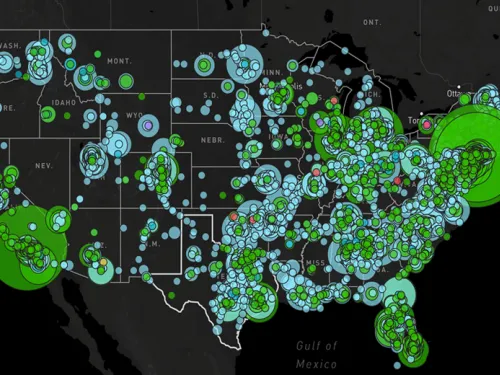
Mass violence remains a persistent threat facing U.S. institutions. According to the Violence Prevention Project’s Mass Shooter Database, 974 people were killed and 1,756 were injured in mass shootings between 2000 and 2025. Most of these incidents occurred at soft targets and crowded places (ST-CPs): locations that are easily accessible to large numbers of people and have limited security, such as houses of worship, malls, restaurants, bars, and nightclubs. These venues often see the worst outcomes because dense crowds and open entry points give attackers easy access to victims.
Organizations can address vulnerabilities through target hardening, which makes a site harder to enter, harder to move through, and easier to evacuate. No single measure accomplishes this alone, and experts recommend layering several types of protection. If one layer fails, another can still stop or slow an attacker. Recommendations generally fall into the following categories:
- Physical Security Equipment and Technology: This includes working locks, secured windows, and controlled entry points. It also includes CCTV and electronic alarm systems that are monitored and maintained, as well as metal detectors or bag checks for higher-risk venues or events.
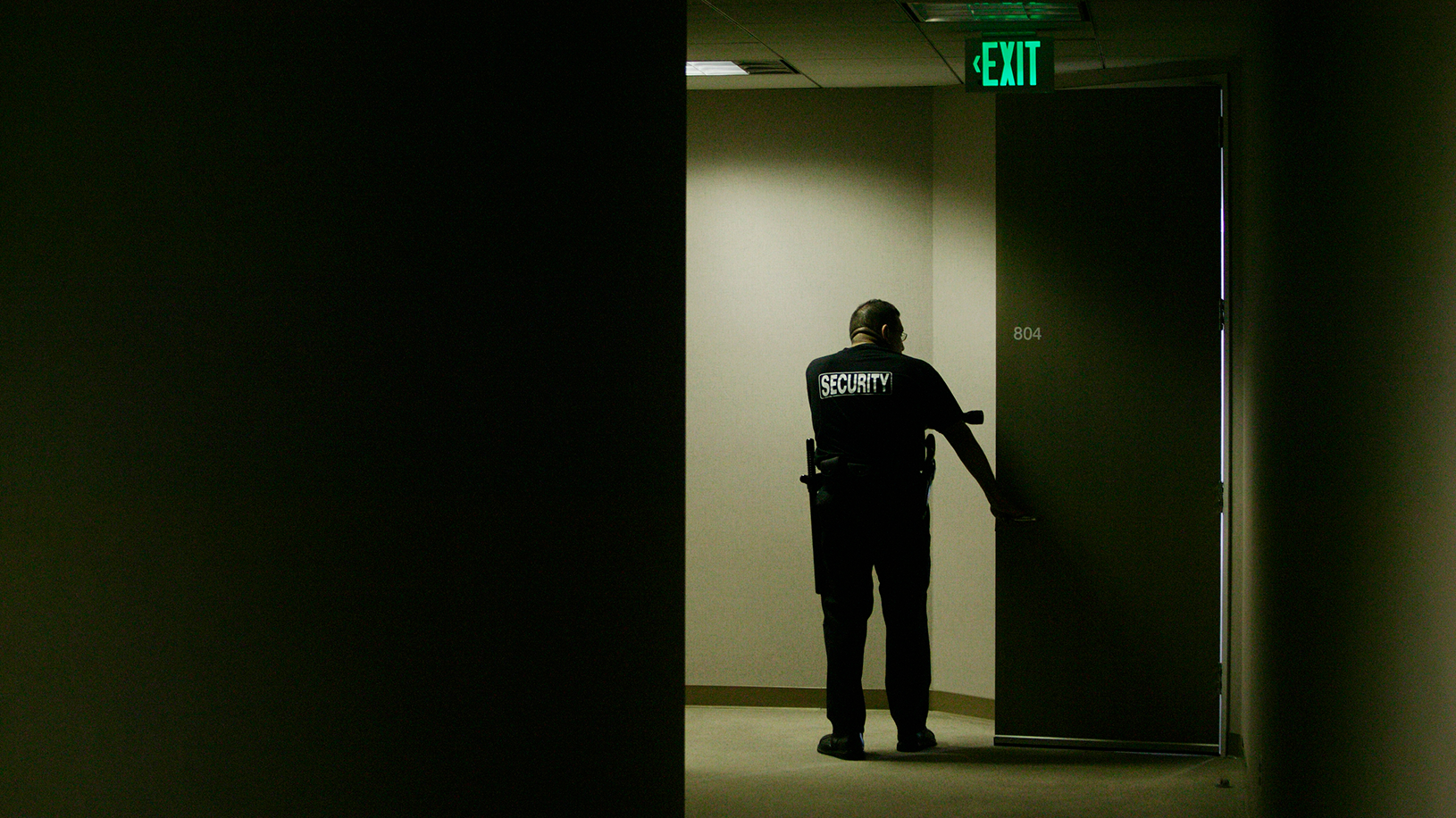
- Security Personnel: This includes hired security or trained staff who serve on a security planning team. Personnel should be assigned to conduct patrols or manage visitor access at entry points. Organizations should designate a point person responsible for overseeing site security decisions.
- Security Policies and Procedures: This category includes implementing screening procedures, such as bag checks or credential verification at all points of entry, and protocols for reviewing CCTV feeds. Organizations should also establish incident response plans that clearly define designated points of contact and communication protocols for coordinating with local law enforcement.
- Site and Building Design: This includes access-controlled entrances, clear sightlines and open-sight design, well-marked and unobstructed emergency exits, and removal of obstructions that limit visibility or threat detection.
- Training, Exercises, and Drills: This category includes regular tabletop exercises (where participants discuss responses to hypothetical emergencies), practice drills, and periodic reviews and updates to emergency response procedures.
- Prevention and Reporting: This includes education for staff and the community on what warning signs to look for and how to respond, clear and well-known channels for reporting concerns before they escalate, and coordination with local authorities on threat reporting and follow-up.
Many security measures carry trade-offs. For example, studies of school resource officers have found that they reduce certain forms of school violence but often come at the cost of increased disciplinary responses. Screening measures such as bag searches and metal detectors may create long lines and a less welcoming environment for people. Organizations must weigh these trade-offs; security measures should fit the specific vulnerabilities of the site and the needs of the people who use it.
* This educational resource is not intended to provide security advice. Please consult with your own security professionals.