






Related Content

Empowering Young People in the Aftermath of Hate (In English and Español)
May 03, 2022
Updated: November 17, 2025

A Guide for Responding to School-Based Bias Incidents
January 25, 2021
Updated: March 06, 2025
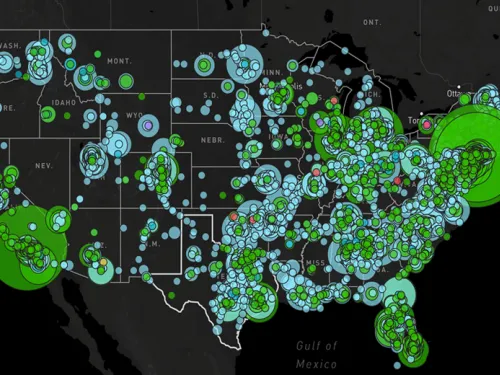
Antisemitism remains at record levels in the United States and internationally. ADL’s 2025 Audit of Antisemitic Incidents found that incidents decreased 33% from 2024, but remained considerably higher than incidents in years prior (~70% higher than in 2022). This ‘new normal’ is anything but: 2025 is the third-highest year for antisemitic incidents since ADL began tracking incidents in 1979, nearly double pre-Oct. 7 record highs. Many incidents of violence towards the Jewish community have made headlines—from the arson of Governor Schapiro’s residence during Passover to the firebombing in Boulder, CO to the deadly terrorist attack at a Hanukkah party in Australia.
As a parent or educator, it can sometimes feel overwhelming when these incidents of hate occur in our country and communities. When there are news stories about hate and violence, young people want to be a part of the conversation. To support you in facilitating thoughtful, age-appropriate conversations with young people in your life about antisemitism, current events and violence, and how we build more communities that stand up to hate, please explore the page below. Each section features a different way to support the Jewish community in the aftermath of antisemitism and hate.
Considerations for Supporting Jewish Students
Check in with Jewish students in your classroom and ask how they are feeling. Be mindful not to do this in a public way as it may make them feel singled out, embarrassed or further marginalized. You may already know that you have some or many Jewish students in your classroom, but it’s also possible that you have students in your classroom who are Jewish or have Jewish family members who have not shared that part of their identity. Remember that the Jewish people are more diverse than many people understand, and your Jewish students may reflect a variety of different cultural and ethnic backgrounds, racial identities, religious and spiritual practices and migration backgrounds. Jewish students may feel isolated and disconnected from their peers who are not sharing in this experience, and as the educator, you can ensure that they feel seen and safe in the classroom. Jewish students may be feeling a range of complicated emotions, including fear, grief, anger and confusion. Validate these feelings and let students know that you are here to support them. Be mindful that Jewish students also may not be feeling any of these emotions so don’t make assumptions about how they are feeling.
Some Jewish students may find comfort in sharing how they are feeling with you and with others, while others may not want to process their emotions in school or may want to process alone. Create options for students to find the method that works best for them, knowing that may change throughout the day and as events unfold. You might consider offering students a designated time and place to write or draw about how they are feeling, or create spaces for small group conversation. Offering an affinity space for Jewish students during downtime, such as lunch or recess, can create opportunities for shared grieving, processing difficult emotions and mutual support.
When conflicts like Israel-Palestine are in the news or when there is an antisemitic attack, Jewish people often have the shared experience of being asked to speak on behalf of Israel or the Jewish community. It’s possible that your students of all identities will be eager to discuss this prominent current event. Recognize that discussion about events taking place in Israel or antisemitic incidents may evoke emotional reactions for your Jewish students. Intergenerational and historical trauma may exacerbate students’ experience of the current moment. Model an approach of seeking information from reputable sources and allowing students who may be directly or indirectly affected by the conflict, such as your Jewish students, to opt out of the conversation. If some Jewish students in your classroom express an interest in sharing more, follow their lead; otherwise, do not ask Jewish students to offer their perspectives or educate their classmates about the conflict and unfolding events. Jewish people, including young people, are not a monolith and will have a range of emotions, perspectives and opinions about what the Jewish community is experiencing in the United States, Israel and elsewhere in the world.
The Jewish community is small. Many Jewish people around the world have loved ones who live in Israel and feel a connection with the Jewish state, and many Jewish people have connections with communities around the world. As events unfold, it’s possible that some of your Jewish students will experience grief or trauma when someone they care about is impacted. Proactively reach out to student support professionals in your school and district to ensure that counselors, school psychologists and social workers are available to check in with students and their families and provide support.
Antisemitic activity has steadily increased over the last 10 years, and often increases during times of escalated violence in the Israeli-Palestinian conflict. Misinformation is often widespread on social media, particularly during periods of armed conflict, and individuals or groups may engage in anti-Israel activity that causes harm to Jewish people. Learn more about common expressions of antisemitic myths and stereotypes so that you can recognize them if they occur in your classroom or community. Some examples include:
- Describing Israeli or Jewish people as bloodthirsty, evil, or other extreme and dehumanizing terms.
- Suggesting that Israel or Jewish groups have control over the U.S. or other countries.
- Assigning all of the blame for the conflict (or other issues) to Israel or Jewish people.
- Asserting that civilians are deserving of violence or that the violence was justified.
- Assuming that Jewish people in the U.S. or elsewhere can’t be “objective” or feel a range of emotions related to the conflict.
- Demanding that Jewish people account for the actions of the Israeli government or take a position on the crisis in order to participate in other activities.
In some classrooms, it may be advisable or even required to address current events like the Israeli-Palestinian conflict or incidents of violence and hate. For Jewish students or any students who have direct connections to the region being discussed, this may trigger strong emotional reactions. Consider letting your students know that the topic is coming up and offering them options for how to engage. Some students may want to participate, while others may prefer to have independent time. Evaluate the biases of the sources you will be sharing in the classroom and use group agreements to ensure the discussion is respectful. Remind students that feeling a bit of discomfort when learning about something new is common, but that it’s not okay for anyone to feel unsafe or unwelcome because of who they are.
Learn
From professional learning to resources to use with students, this section offers resources to learn about antisemitism.

Mini-Lesson: Antisemitism
This mini-lesson supports K-12 educators, school and district leaders, and student support staff in beginning or continuing their learning journey on antisemitism. Adults will emerge from this experience with increased confidence to recognize, discuss and learn more about antisemitism.

Antisemitism Today
This Table Talk provides resources for parents, caregivers and community members to navigate discussing antisemitism with young people.

Awareness to Action
This four-part digital learning experience is designed to not only unravel the complexities of antisemitism, but to empower the next generation to challenge all forms of bias. Middle and high school students are taken on a learning journey through exploring Jewish identity, recognizing antisemitism, challenging antisemitism and championing justice.
Support
When antisemitism happens in our communities, it can be frightening. Jewish students, families and allies may struggle with feelings of uncertainty. Explore this section to find mental health considerations and supports in the aftermath of hate.

Conversations that Matter: Understanding and Discussing Antisemitism
Created in partnership between ADL and the Association of Jewish Psychologists, parents, educators and families can use this resource to consider the impacts of antisemitism on young people, strategies to support young people with managing its impacts and empowering young people to take action to combat it.

BeWell from Jewish Federations of North America
The Jewish community is dedicated to promoting the well-being of young people. With BeWell, you will find support and tools to respond to the growing mental health concerns of young people aged 12 to 26, and resources for parents, caregivers, and Jewish professionals.

Jewish Community Mental Health Initiative
Created in response to the pressing need for spaces where Jewish college students could process their feelings about being Jewish and their experiences with antisemitism in October of 2023, this group of mental health clinicians took on the responsibility of addressing this gap and providing free services to their community. Explore the various support groups and resources offered.
Advocate
We don't need to wait for an antisemitic incident to occur to be advocates and allies. This section offers different ways for educators and parents/caregivers to use their voices for change.

BEACON: ADL's School Action Network for Educators
BEACON: Building Educator Allies for Change, Openness and Networks is ADL's exclusive program for K-12 educators ready to create more inclusive school communities. Part of ADL's School Action Network, participants will grow their advocacy skills, network with other educators and learn how to combat antisemitism and hate in K-12 schools.

SAN: ADL’s School Action Network for Parents/Caregivers
ADL's School Action Network is a nationwide group of parents, caregivers and community members who are ready to take action to address antisemitism and promote Jewish inclusion in K-12 schools. Participants in the network will strengthen their advocacy skills, grow their connections, and take action to make K-12 schools safer and more inclusive for Jewish and all students.

Safe, Seen and Included: A Family Toolkit for Supporting Jewish Students
This toolkit contains guidance, tools and resources to help parents, caregivers and families of Jewish students introduce themselves and their children to school leadership in a proactive, positive and approachable way. These tools will help parents/families work together with schools to help Jewish students feel safe, seen and included in school.