






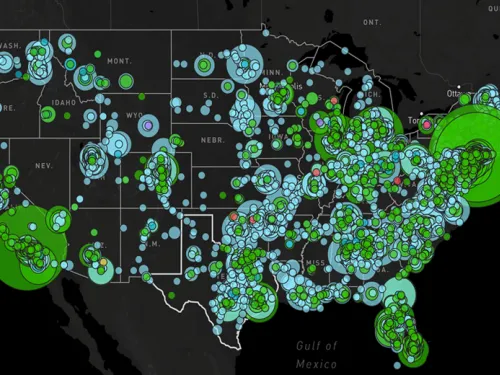

A summary of anti-Israel protests on university campuses on October 7, 2026.
176 Results
Back
Examining antisemitism, exclusion and representation in higher education unions, and how stronger democratic practices can better serve all members.

A classroom RCT experiment shows that teaching antisemitism as a recurring conspiracy reduces teens' endorsement of antisemitic tropes.

Examining trends in faculty-driven antisemitism and how classroom practices, academic structures and institutional dynamics shape Jewish student experiences.

IntroductionIn the classroom, educators are often looking to create spaces for discussion and learning about unfolding current events, like the ongoing Israeli-Palestinian conflict, October 7th and the subsequent Hamas-Israel War. Learning about any current events risks harmful incidents among students. However, there is also an opportunity for a meaningful and nuanced learning experience that may still cause discomfort or emotional reactions, but can create new…

IntroductionFeelings of fear, powerlessness and vulnerability are common experiences all people share whenever acts of hatred, terrorism, or mass shootings occur, and feelings are personally compounded when the events target a group with which members of the school community identify. Children and teens are not immune to these feelings, but adults can help by providing information that answers their questions, giving them opportunities to express how they feel, reassuring them that adults in…
A data-driven look at anti-Jewish bias, attitudes towards Israel, and campus climate, with implications for universities and institutional action.

A groundbreaking study supported by ADL found that fact-based dialogues with a trained AI chatbot durably reduced antisemitic conspiracy beliefs and increased favorability toward Jews.

ADL examined the strategic evolution of anti-Israel activism on U.S. campuses and provides recommendations for universities to respond proactively to changing tactics.

Educators can teach young people what antisemitism is, where it comes from and what it looks like today, so they can recognize and report it.

This joint ADL-Jewish Federations research shows the normalization of antisemitism and its effects on American Jews’ mental health and feelings of safety.

New research shows the Gringlas Unit effectively teaches students to recognize antisemitism as a recurring conspiracy theory, reducing belief in antisemitic tropes after just one lesson.

Surveyed faculty report widespread antisemitism on campuses and in associations, with growing professional, emotional, and mental health impacts.

A new ADL survey found that a substantial number of Americans justify or excuse violence against Jews while most still reject antisemitism and want action taken against it.

ADL’s RAI and CCAE found high rates of antisemitism in independent K-12 schools, especially within curricula, with insufficient response from administrators.
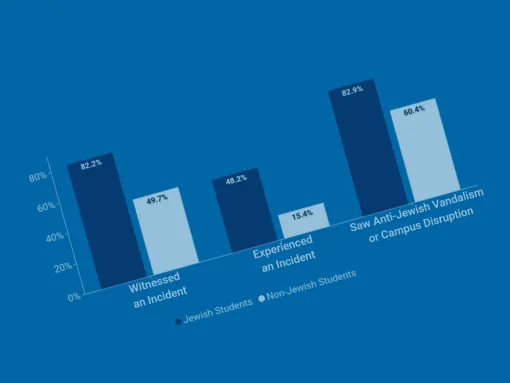
Most Jewish students face antisemitism; over 25% of Jewish students said they had observed anti-Jewish activity from faculty. Rates of self-censorship of Jewish identity and views of Israel remain high.
Majority of Jewish parents surveyed report antisemitism in K-12 schools; and despite high public support for Holocaust and antisemitism education, less than 1/3 get it.

An ADL study shows that Jewish and Israeli Americans are subject to discrimination in the US labor market because of their identity, not their qualifications.

The CAR Interventions to Counter Antisemitism: Quarterly Insights series includes insights from the most promising interventions studied by CAR and the team’s partners.
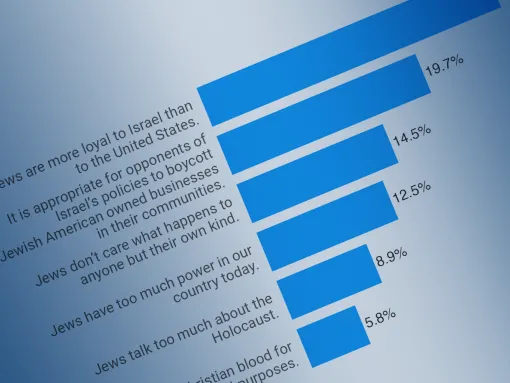
Sponsored by CAR, Dr. Jeffrey Kopstein, Ana Schugurensky and Dr. Rachel Shenhav-Goldberg investigated anti-Jewish and anti-Israel attitudes on four UC campuses.