





The #DropTheADL is not a good-faith critique of ADL’s work. Use this guidance to understand the campaign and push back.
145 Results
Back
ADL research finds Jewish teachers face rising antisemitism, exclusion and ignored concerns in teachers unions, prompting many to hide identities or disengage.

Examining antisemitism, exclusion and representation in higher education unions, and how stronger democratic practices can better serve all members.

A classroom RCT experiment shows that teaching antisemitism as a recurring conspiracy reduces teens' endorsement of antisemitic tropes.

Examining trends in faculty-driven antisemitism and how classroom practices, academic structures and institutional dynamics shape Jewish student experiences.
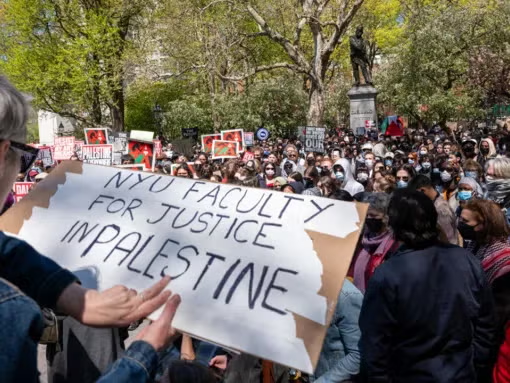
Faculty networks are fueling anti-Israel activism on campus, sometimes crossing into antisemitism, and creating hostile environments for Jewish students and faculty.

The Impact of Israel Divestment on the New York City Pension Funds: Estimating BDS’s Financial Toll on New York City Employees, Retirees and Beneficiaries

This report details the real human impact of some of the sites Cloudflare sustains and evaluates the systemic policy and enforcement gaps that allow them to remain operational.

2025 was the third highest year on record for antisemitic incidents since the Anti-Defamation League (ADL) began tracking them in 1979.

Meta CEO Mark Zuckerberg posted a video to Facebook in January 2025 announcing dramatic changes to the company’s content moderation policies. In the clip, the 40-year-old executive shared his commitment to restoring free expression and to making sure that “people can share their beliefs and experiences” on Meta platforms. In reality, our research has shown that these policy changes have resulted in a dramatic increase of antisemitism and extremism on Meta’s…
A data-driven look at anti-Jewish bias, attitudes towards Israel, and campus climate, with implications for universities and institutional action.

ADL study finds popular open-source LLMs can easily be manipulated by malicious actors to produce antisemitic, extremist, and dangerous content amid weak safety guardrails.

A groundbreaking study supported by ADL found that fact-based dialogues with a trained AI chatbot durably reduced antisemitic conspiracy beliefs and increased favorability toward Jews.

ADL examined the strategic evolution of anti-Israel activism on U.S. campuses and provides recommendations for universities to respond proactively to changing tactics.
IntroductionProfessional academic associations are an often unrecognized part of the higher education landscape, yet they are deeply influential in shaping the culture and intellectual contributions of academic fields and disciplines. As publishers and conveners, they play a vital role in the production and dissemination of knowledge. They also serve as a primary source of professional socialization for academics across campuses, and often set the standards for professional ethics. Yet many of…

This joint ADL-Jewish Federations research shows the normalization of antisemitism and its effects on American Jews’ mental health and feelings of safety.

Over the past two years, Pennsylvania has faced a broad range of extremist incidents, driven by a diverse mix of ideological motivations and groups.

Surveyed faculty report widespread antisemitism on campuses and in associations, with growing professional, emotional, and mental health impacts.

The form of targeted violence is driven by perpetrators primarily seeking attention, notoriety, or status within online communities, like the True Crime Community.

Since 2024, the ADL Center on Extremism has identified at least eight attackers who were active on this gore and violence forum prior to carrying out their acts of violence.