Understanding Targeted Violence: Becoming an Upstander
Tools and Strategies
The difference between a foiled plot and a tragedy can be just one person. Learn why it's important to speak up about concerning behaviors, and how to do it
Keeping the Lights On: How Cloudflare Sustains Violent Extremism, Graphic Violence and Terrorism Online
Report
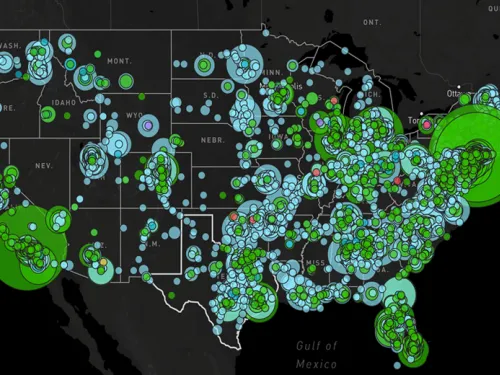
This report details the real human impact of some of the sites Cloudflare sustains and evaluates the systemic policy and enforcement gaps that allow them to remain operational.
Behavioral Threat Assessment and Management (BTAM): A Guide for Law Enforcement
Tools and Strategies
Behavioral Threat Assessment and Management (BTAM) is a proactive, evidence-based approach to identify, assess, and help individuals who exhibit concerning and threatening behaviors. The goal is to prevent violence before it happens by connecting individuals with appropriate support and resources. BTAM helps law enforcement understand the current threat environment and how different factors affect each community. There are several resources available on BTAM best practices, including the…
Behavioral Threat Assessment and Management (BTAM): A Guide for Educators
Tools and Strategies
Behavioral Threat Assessment and Management (BTAM) is a systematic, evidence-based process used by schools, workplaces, and law enforcement to identify, assess, and manage individuals who may pose a threat to themselves or others. The model provides a structured way to notice warning signs, understand what they mean, and take action before anyone gets hurt. BTAM helps answer important questions like: Is this person in crisis? Are they at risk of hurting themselves or others? What support do…
What is Behavioral Threat Assessment and Management (BTAM)?
Tools and Strategies
BTAM helps schools, workplaces, clinicians, and law enforcement spot warning signs in persons who may be in crisis and intervene before violence occurs.
The Memetic Violence Field Guide: Terms, Symbols, and Phrases in Violent Online Subcultures
Tools and Strategies
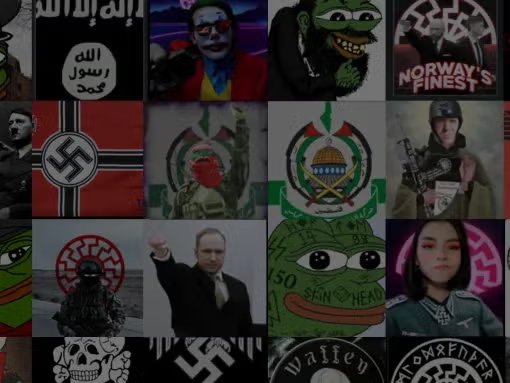
A glossary that explains some of the popular terms, references, and images used to signal transgression and belonging in online communities that glorify mass violence and extremist killings.
How Meta's Content Moderation Practices Risk Turning Instagram into a Hub for Hate
Report
Meta CEO Mark Zuckerberg posted a video to Facebook in January 2025 announcing dramatic changes to the company’s content moderation policies. In the clip, the 40-year-old executive shared his commitment to restoring free expression and to making sure that “people can share their beliefs and experiences” on Meta platforms. In reality, our research has shown that these policy changes have resulted in a dramatic increase of antisemitism and extremism on Meta’s…
Two Years of Turmoil: The Strategic Evolution of Anti-Israel Activism on U.S. Campuses and 2025–2026 Challenges
Report
ADL examined the strategic evolution of anti-Israel activism on U.S. campuses and provides recommendations for universities to respond proactively to changing tactics.
Hate in the Cascade States: Extremism & Antisemitism in Oregon & Washington
Report
This report provides a snapshot of antisemitism and extremism in Oregon and Washington, highlighting key trends tracked by the ADL Center on Extremism.
A Year of Hate: Antisemitism on Telegram Post-10/7
Report
The ADL Center on Extremism (COE) conducted a comprehensive analysis of violent antisemitism and anti-Israel content on Telegram following the 10/7 attacks.